News On Japan

Typhoon No. 15 Triggers Level 4 Storm Surge Warning

OSAKA - Typhoon No. 15 approached the Kinki region on the morning of August 12 before weakening into a tropical depression over the Sea of Japan, but authorities are warning that sudden thunderstorms and heavy rain remain possible across the region.

The typhoon came closest to northern Kinki during the morning of August 12 and became a tropical depression over the Sea of Japan at around 9 a.m.

The combination of the typhoon and a spring tide prompted a temporary Level 4 storm surge danger warning for Toyooka and Kami in northern Hyogo Prefecture.

The warning has since been lifted, but swimming has been prohibited throughout the day since August 11 at a beach in Toyooka.

A visitor from Osaka who had booked the trip six months earlier to enjoy the beach with his grandchild said conditions made entering the water impossible. "We booked this six months ago so we could enjoy it with our grandchild. With waves like this, there's no way. We can't go in."

Although the typhoon has passed, warm and humid air is continuing to make rain more likely across the Kinki region.

Maximum rainfall through noon on August 13 is forecast to reach 150 millimeters in southern Kinki.

Localized areas could also see intense rain accompanied by thunder, and authorities are urging caution against flooding in low-lying areas and rising river levels.

Source: KTV NEWS

News On Japan
POPULAR NEWS

Typhoon No. 26 (Surigae) is forecast to intensify into a strong typhoon with a storm-force wind zone as it approaches waters south of Okinawa around September 26, raising concerns over severe weather in the region and the possibility of further heavy rainfall across mainland Japan next week as a stationary autumn rain front remains over Honshu.

A major traffic accident involving 10 vehicles, including trucks and passenger cars, left one man seriously injured and nine others with minor injuries on the Daini Shinmei Road in Kobe on September 24, forcing the closure of part of the expressway.

Japan celebrated two landmark performances on Day 6 of the Aichi-Nagoya Asian Games on September 24, with the men's table tennis team defeating China 3-2 to claim its first gold medal in 60 years and 17-year-old swimmer Shin Ohashi breaking the men's 200-meter breaststroke world record.

An All Nippon Airways (ANA) flight bound for Saga Airport made an emergency landing at Naha Airport in Okinawa at 10:05 p.m. on September 23 after developing trouble with its right engine shortly after takeoff, with some passengers suffering minor injuries during an emergency evacuation.

Japan's Asian Games campaign produced another day of records and medals on September 23, with Shoon Mitsunaga setting a national record to win the men's 100-meter butterfly, both Japanese gymnastics teams taking silver behind China, and Toshikazu Yamanishi adding to the host nation's athletics medal haul.

MEDIA CHANNELS
         

MORE Travel NEWS

Japan's overnight trains are attracting renewed attention as railway companies introduce special services that combine affordable travel with exclusive experiences, highlighted by the country's first overnight Shinkansen service, which carried passengers from Osaka to Tokyo during the Silver Week holidays on September 22.

An All Nippon Airways (ANA) flight bound for Saga Airport made an emergency landing at Naha Airport in Okinawa at 10:05 p.m. on September 23 after developing trouble with its right engine shortly after takeoff, with some passengers suffering minor injuries during an emergency evacuation.

A rare blue-and-black bee known as the "blue bee that brings happiness" has become a popular attraction at Chojuji Temple in Konan, Shiga Prefecture, where visitors are gathering to catch a glimpse of the colorful insect.

Airports and railway stations across Japan were crowded on September 23 as travelers returned from their hometowns and holiday destinations on the final day of the five-day Silver Week holiday, with international flight arrivals reaching their peak and many afternoon Shinkansen services fully booked.

Japan's first overnight Shinkansen service departed Shin-Osaka Station at around 10 p.m. on September 22, taking passengers on a special journey to Tokyo that included a six-hour stop at Shin-Fuji Station, where travelers spent the night aboard the train before enjoying views of Mount Fuji at dawn.

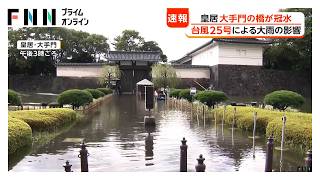
The road leading to Otemon Gate at Tokyo's Imperial Palace was flooded on September 22 after heavy rain from a typhoon caused water in the surrounding moat to overflow.

Extensive railway disruption continued across Chiba Prefecture on September 23 as JR East warned that several lines damaged by Typhoon No. 25 would remain closed beyond the Silver Week holiday, even as flights returned toward normal, all typhoon-related expressway closures were lifted and some highway bus services resumed. The storm has left widespread damage to railway tracks and embankments, with flooding, landslides and fallen trees complicating restoration work.

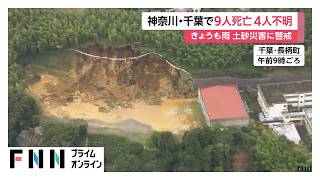
The death toll from Typhoon No. 25 rose to nine on September 23, with four people still missing in Chiba and Kanagawa prefectures, as renewed rainfall raised fears of further landslides in communities devastated by the storm.