News On Japan

Just 27 Centimeters Could Dramatically Reduce Power Consumption

TOKYO - A new generation of optoelectronic integration technology developed over four decades by Japanese companies is moving closer to commercialization, offering a way to transmit huge volumes of data with low latency while sharply reducing the electricity consumed by data centers as artificial intelligence drives explosive growth in computing demand.

Known as optoelectronic integration, the technology replaces part of the electrical transmission traditionally used inside computing and communications equipment with optical signals.

Using light for data transmission makes it possible to move large amounts of information at high speed and with low latency while significantly reducing power consumption.

The technology is attracting growing attention as rapid advances in AI are expected to cause a major increase in electricity demand from data centers.

Japanese companies have been among the earliest developers of the technology, and after around 40 years of research and development, the industry says a path toward commercialization has finally become visible this year.

NTT Innovative Devices, which has played a leading role in developing optoelectronic integration, has been working with Shinko Electric Industries and Taiwan-based Accton on advanced equipment using the technology.

The companies have now developed cutting-edge equipment designed to demonstrate how optical connections can replace electrical transmission over even short distances inside data center hardware.

One of the latest devices measures just 27 centimeters, but the use of optical transmission over that distance can substantially reduce electricity consumption compared with conventional electrical connections.

The technology is being positioned as a potential solution to one of the biggest challenges facing the expansion of AI infrastructure: how to process and transmit rapidly growing volumes of data without allowing data center electricity consumption to rise at the same pace.

NTT Innovative Devices, Shinko Electric Industries and Accton are continuing joint development as they examine how optoelectronic integration can be deployed commercially and expanded across future data center and communications infrastructure.

The latest equipment has now been publicly shown on television for the first time, highlighting how a technology that spent decades in research laboratories is beginning to move toward practical business applications.

Source: テレ東BIZ

News On Japan
POPULAR NEWS

Typhoon No. 24 (Krovahn) was near Minami-Daito Island, about 300 kilometers southeast of Okinawa, as of 3 a.m. on September 7, moving east-northeast at about 10 kilometers per hour and expected to weaken into a tropical depression by the afternoon, although strong winds and high waves were forecast to persist before its remnants move north and potentially intensify the autumn rain front over western and eastern Japan later in the week.

Heavy rain disrupted rail services across the Tokyo metropolitan area during the morning commute on September 7, with some conventional lines suspended until the afternoon and many major routes operating 20% to 30% fewer trains, while the Tokaido Shinkansen was running normally from its first services of the day.

Tokyo has unveiled the design for a major redevelopment of the plaza outside Shinjuku Station's west exit, with a landmark tree, water-play area and event space planned as part of a transformation centered on "greenery, light and people" that is scheduled for completion in 2035.

A late former professor at Asahikawa Medical University has won the Ig Nobel Prize in Medicine for scientifically examining the proper way to blow the nose, extending Japan's streak of Ig Nobel winners to 20 consecutive years.

Night trains are making a comeback across Japan, with railway operators introducing new overnight services and even experimenting with overnight Shinkansen trains as demand grows for alternatives that combine transportation, accommodation and the experience of traveling through the night.

MEDIA CHANNELS
         

MORE Sci-Tech NEWS

A new generation of optoelectronic integration technology developed over four decades by Japanese companies is moving closer to commercialization, offering a way to transmit huge volumes of data with low latency while sharply reducing the electricity consumed by data centers as artificial intelligence drives explosive growth in computing demand.

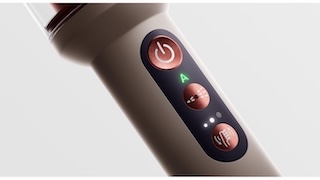
Dyson CameraJet™ turns the smart toothbrush into an active sensing product, making useful feedback and clear privacy design part of the same engineering brief.

A late former professor at Asahikawa Medical University has won the Ig Nobel Prize in Medicine for scientifically examining the proper way to blow the nose, extending Japan's streak of Ig Nobel winners to 20 consecutive years.

An autonomous ride-hailing service developed by British company Wayve launched in London on September 3, with the AI-powered technology also scheduled to begin trial operations in Tokyo by the end of 2026.

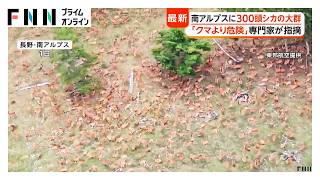
A herd of an estimated 200 to 300 deer has been filmed in the Southern Alps, highlighting a rapidly expanding population that experts warn is damaging mountain ecosystems, stripping vegetation, increasing landslide risks and creating problems across Japan ranging from crop losses to traffic accidents.

The Japanese government has revised its assessment of active faults across the Kinki region for the first time in about 20 years, increasing the number of fault zones considered at the highest level of concern for earthquakes of magnitude 6.8 or greater from three to eight.

Residents in Minoh, Osaka Prefecture, have asked the city to take a more active role in explaining and reviewing plans for a large data center to be built on the former site of Osaka University's Minoh Campus, citing concerns over low-frequency noise, loss of sunlight and other potential effects on daily life.

A magnitude 5.9 earthquake centered in southern Ibaraki Prefecture shook a wide area of the Kanto region at around 2 a.m. on August 23, registering a maximum intensity of lower 5 on Japan's seven-level seismic scale in parts of Ibaraki, Saitama, Chiba and Tokyo.