News On Japan

Shinjuku to Ban Short-Term Rentals in Residential and School Areas

TOKYO - Tokyo's Shinjuku Ward, which has more than 3,900 short-term rental facilities, the highest number of any municipality in Japan, plans to generally prohibit new properties in residential areas and around schools as complaints over noise, trespassing and other problems continue to increase.

In fiscal 2025, the ward received 1,334 complaints and inquiries related to short-term rentals, including cases involving entry onto private property and excessive noise. The figure was more than 500 higher than in the previous fiscal year.

In response, the ward has decided to move forward with revisions to its ordinance regulating short-term rental operations.

Under the proposed changes, new short-term rental businesses would be prohibited in residential areas, around schools and in other designated locations.

Exceptions would be allowed when certain conditions are met, such as when the property owner lives at the premises and can properly manage the operation.

Existing facilities would also generally be prohibited from operating if they are unable to meet appropriate management standards.

The ward plans to seek public comments before submitting the proposed ordinance revisions to a regular session of the Shinjuku Ward Assembly in February 2027.

If the ordinance is revised, nearly half of the ward's existing short-term rental facilities, or about 2,000 properties, could potentially be unable to continue operating.

新宿区、住宅地や学校周辺の民泊を原則禁止へ

全国の自治体で最も多い3900件以上の民泊施設を抱える東京・新宿区は、騒音や私有地への立ち入りなどの苦情が増えていることを受け、住宅地や学校周辺での新規の民泊営業を原則として禁止する方針です。

新宿区拟原则上禁止住宅区及学校周边经营民宿

东京新宿区拥有超过3900家民宿设施,为日本各自治体之最。由于噪音、擅自进入私人土地等相关投诉持续增加,新宿区计划原则上禁止在住宅区和学校周边新开民宿。

Source: TOKYO MX NEWS

News On Japan
POPULAR NEWS

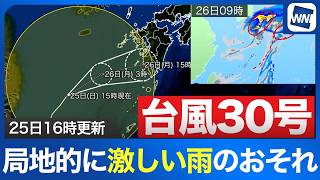
Typhoon No. 30 was rapidly weakening over the East China Sea at 4 p.m. on October 25 and is expected to become an extratropical cyclone by 3 a.m. on October 26, according to the latest weather forecast, although its merger with an autumn rain front could trigger prolonged heavy rainfall across western and eastern Japan, particularly along the Pacific coast and around the Izu Islands.

Typhoon No. 30 is expected to cause widespread travel disruption across western Japan on Monday, October 26, with railway suspensions, flight delays, ferry cancellations and possible expressway closures threatening the start of the working week. Forecasters are warning that heavy rainfall could affect transportation across a broad area even after the typhoon weakens into an extratropical low-pressure system early Monday.

Japanese drone manufacturer Terra Drone has delivered interceptor drones to Ukraine's Ministry of Defense for the first time, prompting Russia to threaten retaliatory measures on October 21, as Japan considers expanding domestic drone production and strengthening its coastal defenses through thousands of unmanned aircraft.

A critical security flaw discovered in PHP, a programming language used by an estimated 70% of the world's web systems, has triggered widespread disruptions across Japan since October 21, forcing banks, restaurant chains, government agencies and other businesses to suspend online services as a precaution against potential cyberattacks.

A growing wave of cyberattacks across Japan has raised concerns over the possible use of Chinese-developed artificial intelligence in hacking operations, with personal information belonging to tens of thousands of police employees potentially exposed and major companies forced to suspend online services, while cybersecurity experts warn that slow decision-making within Japanese organizations is allowing damage to spread.

MEDIA CHANNELS
         

MORE Travel NEWS

Japan marked the final Sunday of October with traditional autumn events across the country on October 25, including a spectacular water discharge drill at the World Heritage site of Shirakawa-go in Gifu Prefecture, a seasonal salmon feast in Miyagi Prefecture, and a parade of northeastern Japan's most famous festivals in Tokyo, despite widespread rain caused by a stationary autumn rain front.

Typhoon No. 31 (In-fa) was moving slowly northward near the Marshall Islands at 9 p.m. on October 24, strengthening as Japan's annual typhoon count reached 31 for the first time in 13 years and only the fifth time by the end of October since records began in 1951, with forecasts indicating the storm could become very strong by October 28.

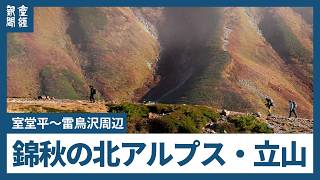
The Northern Alps in central Japan have entered the height of their autumn colors, with the alpine landscape around Tateyama's Murodo Plateau in Toyama Prefecture offering spectacular views of red and yellow vegetation, rugged mountain ridges and the rare Japanese rock ptarmigan, a protected bird species whose survival depends on the delicate balance of the mountain ecosystem.

Motorcycle owners across Japan can now choose their preferred license plate numbers under a new system introduced by the Ministry of Land, Infrastructure, Transport and Tourism on October 19th, with popular numbers allocated by lottery and applications costing between 2,500 and 3,000 yen.

Temperatures fell to their lowest levels of the season across much of Japan on the morning of October 18, with Rikubetsu in Hokkaido recording minus 4.3 degrees Celsius, the country's lowest temperature so far this autumn, before sunshine brought warmer conditions during the day and some areas experienced unseasonably hot weather.

Kyoto City expects revenue from its accommodation tax to more than double to approximately 13.2 billion yen this fiscal year following a substantial increase in the maximum nightly levy to 10,000 yen, as the city seeks to address overtourism and ease the pressure that millions of visitors place on residents and public infrastructure.

The Nada Fighting Festival, known for its spectacular collisions between massive portable shrines weighing around two tons, drew large crowds to Himeji, Hyogo Prefecture, on October 15, as participants repeatedly slammed the heavy structures into one another in a traditional ritual believed to please the gods.

The El Niño phenomenon developing in the Pacific Ocean has reached its strongest level since records began in 1949, with sea surface temperatures off Peru rising 4 degrees Celsius above normal in September, the Japan Meteorological Agency announced on October 9, raising concerns about extreme weather worldwide and the prospect of an unusually warm winter in Japan.