News On Japan

Bears Grow Hungry Ahead of Autumn Travel Season

HYOGO - Hyogo Prefecture is warning of an increased risk of Asiatic black bears entering residential areas this autumn as a poor crop of acorns and other nuts leaves the animals searching more widely for food before hibernation.

Prefectural officials held a meeting on September 11 to discuss measures to prevent bear-related injuries and other damage as the animals enter a season of increased activity and the autumn travel season approaches.

Hyogo Governor Motohiko Saito said surveys of this year's acorn crop indicate an overall poor harvest, raising the likelihood that bears will move into populated areas in search of food before hibernating.

"Surveys of this year's acorn crop show that overall it is a poor harvest, so we expect more cases of bears appearing in populated areas in search of acorns and other food before hibernation," Saito said.

Concern over bear encounters has also grown in neighboring Kyoto Prefecture.

Two Asiatic black bears believed to be a mother and cub appeared in Maizuru on September 3, startling residents after suddenly entering a residential area.

One resident said the cub had leapt over an obstacle, adding that the unexpected appearance had been frightening.

Authorities carried out Kyoto Prefecture's first emergency firearms cull, killing the bears.

Another bear sighting was subsequently reported in Maizuru, with a nearby resident saying a cub roughly the same size as the one seen previously had appeared. Authorities have yet to locate the animal.

Officials are urging greater caution as bears become more active in the weeks before hibernation and food shortages increase the possibility of encounters near homes and other populated areas.

Source: YOMIURI

News On Japan
POPULAR NEWS

Typhoon No. 31 remained a very strong storm over the western Pacific as of 3 p.m. Japan time on October 27, with forecasts indicating that it could approach Japan's Ogasawara Islands around November 1, bringing potentially violent winds, dangerous waves and disruptions to maritime transportation, while uncertainty over its northward turn raised concerns about prolonged storm conditions.

Travel disruption continued into Tuesday, October 27, as Japan began recovering from heavy rain and rough seas caused by the remnants of Typhoon No. 30, with ferry cancellations confirmed in Nagasaki Prefecture and railway operators monitoring the effects of overnight rainfall in central and eastern Japan.

A controversial penalty shootout decision during the Tokyo qualifiers for Japan's National High School Soccer Championship on October 24 has sparked debate after a team that believed it had secured victory was forced to continue playing and eventually lost, raising questions about whether a hole in the goal net contributed to an incorrect ruling.

The underground platform of the planned Kanagawa Prefecture Station on Japan's Chuo Shinkansen maglev line was opened to the public for the first time on October 24, offering visitors a rare glimpse of the high-speed railway project under construction in Sagamihara, Kanagawa Prefecture, with demand for the tour exceeding available places by approximately 12 times.

Japanese drone manufacturer Terra Drone has delivered interceptor drones to Ukraine's Ministry of Defense for the first time, prompting Russia to threaten retaliatory measures on October 21, as Japan considers expanding domestic drone production and strengthening its coastal defenses through thousands of unmanned aircraft.

MEDIA CHANNELS
         

MORE Travel NEWS

Heavy rain linked to former Typhoon No. 30 continued to affect large parts of Japan on October 26, with authorities warning of potentially dangerous rainfall from the Kanto region to Shikoku, raising concerns in Chiba Prefecture's Shisui Town, where flooding caused by Typhoon No. 25 last month left homes and roads submerged for nearly three weeks.

Asuka Village in Nara Prefecture is introducing new measures to control rising visitor numbers following the July 2026 World Heritage registration of the 'Asuka-Fujiwara: Archaeological Sites of Japan's Ancient Capitals,' seeking to protect its historic landscapes and residents' daily lives while benefiting from growing international interest.

The underground platform of the planned Kanagawa Prefecture Station on Japan's Chuo Shinkansen maglev line was opened to the public for the first time on October 24, offering visitors a rare glimpse of the high-speed railway project under construction in Sagamihara, Kanagawa Prefecture, with demand for the tour exceeding available places by approximately 12 times.

Japan marked the final Sunday of October with traditional autumn events across the country on October 25, including a spectacular water discharge drill at the World Heritage site of Shirakawa-go in Gifu Prefecture, a seasonal salmon feast in Miyagi Prefecture, and a parade of northeastern Japan's most famous festivals in Tokyo, despite widespread rain caused by a stationary autumn rain front.

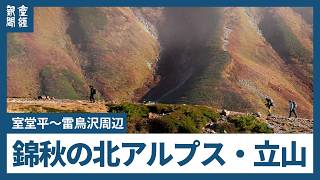
The Northern Alps in central Japan have entered the height of their autumn colors, with the alpine landscape around Tateyama's Murodo Plateau in Toyama Prefecture offering spectacular views of red and yellow vegetation, rugged mountain ridges and the rare Japanese rock ptarmigan, a protected bird species whose survival depends on the delicate balance of the mountain ecosystem.

Motorcycle owners across Japan can now choose their preferred license plate numbers under a new system introduced by the Ministry of Land, Infrastructure, Transport and Tourism on October 19th, with popular numbers allocated by lottery and applications costing between 2,500 and 3,000 yen.

Temperatures fell to their lowest levels of the season across much of Japan on the morning of October 18, with Rikubetsu in Hokkaido recording minus 4.3 degrees Celsius, the country's lowest temperature so far this autumn, before sunshine brought warmer conditions during the day and some areas experienced unseasonably hot weather.

Kyoto City expects revenue from its accommodation tax to more than double to approximately 13.2 billion yen this fiscal year following a substantial increase in the maximum nightly levy to 10,000 yen, as the city seeks to address overtourism and ease the pressure that millions of visitors place on residents and public infrastructure.