Japan’s changing urban landscape reflects a complex relationship between its architectural heritage, demographic transition, and modernization ambitions.
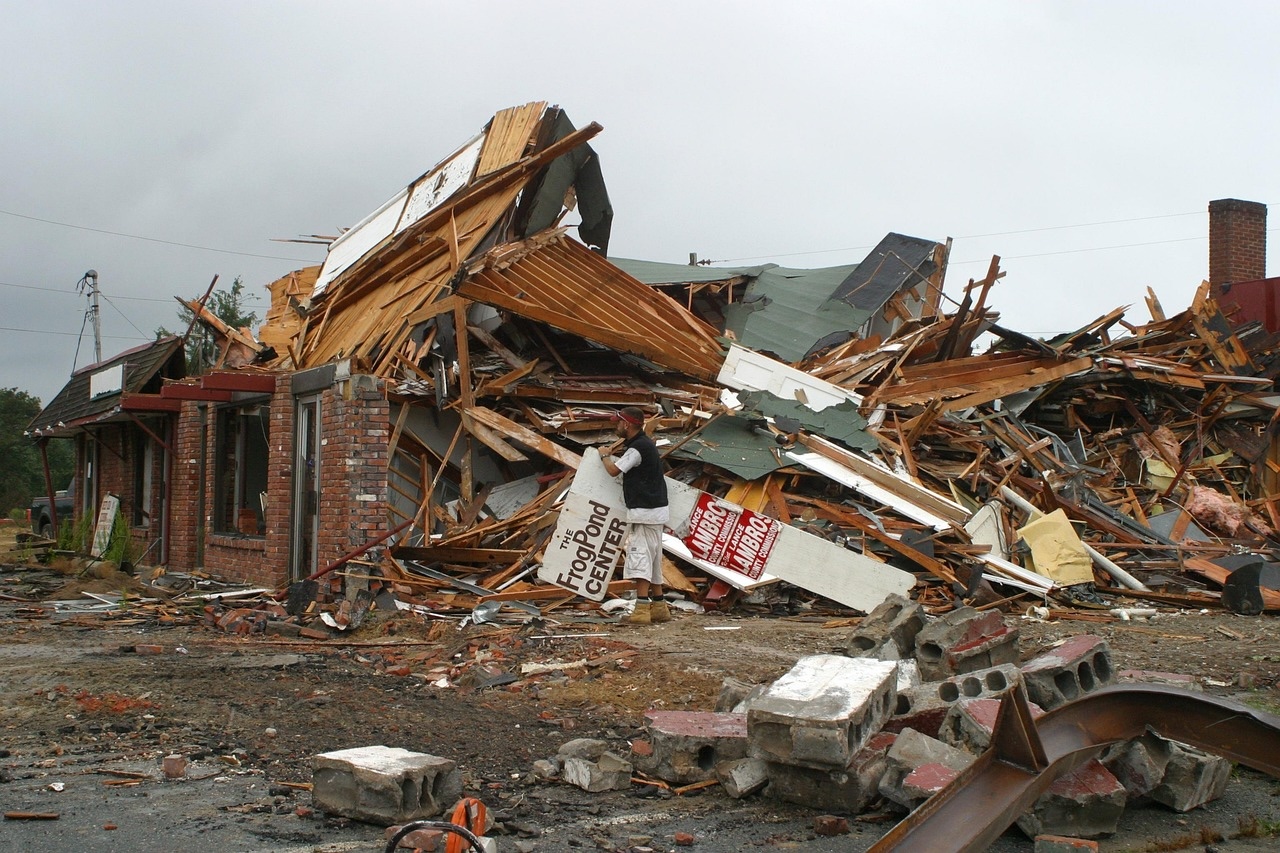
Across the country, aging residential buildings, outdated commercial properties, abandoned structures, and deteriorating infrastructure are creating an increasingly important need for redevelopment. While demolition is often viewed as a straightforward step towards replacing obsolete structures, the process brings its own challenges. Below, we’ll explore some of these challenges.
Growing pressure to Remove Aging Structures
Japan’s building stock reflects decades of economic expansion, changing architectural preferences, and evolving construction standards. Many structures erected during earlier periods of rapid development now require substantial rehabilitation or complete replacements. In smaller communities, population decline and household changes have also contributed to vacant properties that remain unused for extended periods.
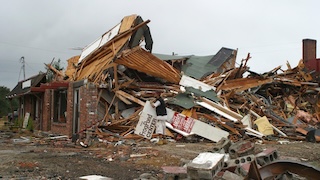
Abandoned buildings present problems beyond their deteriorating appearance. Roof damage, weakened foundations, water intrusion, and neglected electrical systems can create hazards for neighboring properties and pedestrians.
Structural Instability and Complexity of Demolition Planning
Older buildings frequently contain construction methods and structural arrangements that differ considerably from contemporary engineering practices. Some have undergone multiple renovations, making their original structural configuration difficult to establish. Unauthorized modifications, deteriorated reinforcement, and undocumented additions can further complicate preliminary assessments.
Japan's seismic zone makes these considerations especially important. Consequently, demolition contractors must evaluate load distribution, foundation conditions, adjoining structures, and potential ground movement before choosing an appropriate dismantling method.
Environmental Contamination
One of the most consequential challenges associated with older Japanese buildings is the presence of hazardous construction materials. Asbestos, historically incorporated into insulation, fireproofing, roofing, and other building products, remains a concern when structures containing these materials undergo renovation or demolition.
While Japan prohibited the manufacture and use of asbestos-containing products in principle by 2006, older buildings may still contain materials installed before the restrictions took effect. Disturbing these products can release microscopic fibers into the surrounding air, creating exposure risks for demolition workers and nearby residents.
Protecting Workers From Long-Term Occupational Hazards
Construction safety discussions frequently emphasize immediate dangers, including falling objects, machinery accidents, and structural collapse. However, demolition also exposes workers to hazards whose consequences may emerge years after the original work is complete. Asbestos exposure illustrates this distinction. Inhaled fibers can remain in the body and contribute to serious diseases, including mesothelioma.
Additionally, the long latency period makes occupational health documentation particularly important. In some circumstances, individuals whose illness was caused by asbestos may investigate whether they have grounds for a mesothelioma lawsuit, particularly when historical workplace exposure and the circumstances surrounding it warrant legal review.
Construction Waste
Demiliton generates substantial quantities of concrete, steel, timber, glass, and other construction materials. Managing this waste responsibly is essential in a country where land availability, resource efficiency, and environmental protection influence urban planning decisions. Japan has developed an established framework for construction waste recycling through its construction material recycling law.
Achieving effective materials recovery requires careful coordination. There are also economic considerations. For example, recovered steel and concrete can retain commercial value, while reusable components may support other construction projects. However, the financial benefits depend on the condition of the materials, processing costs, transportation distances, and availability of suitable recycling facilities.
Endnote
Demolishing Japan's aging buildings and infrastructure is an increasingly important component of the country's urban transformation. However, successful redevelopment requires more than efficient machinery and technical components contractors. Structural assessments, environmental investigations, occupational health protections, and responsible waste managers must work together throughout the process.