




The Konosu Fireworks Festival, one of Japan's largest fireworks events, set a Guinness World Record for the number of consecutive large-shell fireworks launched on October 10, as approximately 20,000 fireworks illuminated the autumn night sky over Konosu City in Saitama Prefecture.

Police in Saitama Prefecture are urging hikers to submit climbing plans before heading into the mountains during the busy autumn recreational season, after nearly 80% of people involved in mountain emergencies this year were found to have failed to file the necessary information.

Japan's first 360-degree projection mapping show will open at the Osaka City Museum of Fine Arts on October 10, transforming the historic building into an immersive world of light, music, and seasonal imagery, with organizers hoping the attraction will also help stimulate the city's nighttime economy.

A man in his 40s was injured after being attacked by a troop of wild monkeys in Yugawara, a popular hot spring resort town in Kanagawa Prefecture, on September 17, marking the area's first reported case of a person being bitten by a monkey and prompting authorities to strengthen monitoring of the animals using GPS tracking devices.

Tokyo's Bunkyo Ward will expand restrictions on private lodging businesses across the entire ward from January 2027 after the ward assembly approved an ordinance amendment on October 7 aimed at tightening controls on minpaku short-term rentals.
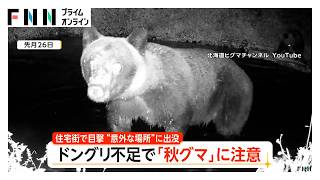
Bears are becoming increasingly active across Japan ahead of winter, with poor acorn harvests in parts of the country raising concerns that hungry animals may venture closer to homes and tourist areas in search of food.