



A mobile battery caught fire inside a Tobu Isesaki Line train in Saitama Prefecture on September 14, leaving a high school student with minor burns before another passenger extinguished the flames.

GO, Waymo and Nihon Kotsu said they aim to launch Japan's first commercial fully driverless taxi service in Tokyo during 2027, using Level 4 autonomous vehicles that can operate without a driver on board under specified conditions.
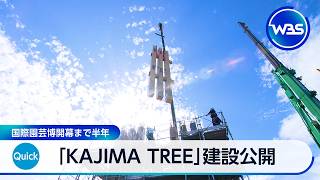
Kajima Corp. has unveiled the construction site of KAJIMA TREE, a roughly 60-meter wooden tower being built for the International Horticultural Expo that will open in March 2027.

A new helicopter service linking Kansai International Airport with central Kyoto in about 25 minutes each way will begin operations on September 15, offering travelers a faster alternative to rail and bus connections that take at least 75 minutes.

Climbers who get into trouble on Mount Fuji during the official closed season could be charged for rescue by disaster-prevention helicopters under new safety measures being considered by Yamanashi Prefecture.

A 220-meter suspension bridge billed as the longest of its type in Japan opened at Biwako Valley in Otsu, Shiga Prefecture, on September 14, offering visitors panoramic views of the surrounding mountains and Lake Biwa.

Historic floats and a shrine mikoshi paraded through Tokyo's Akasaka district as the centuries-old Akasaka Hikawa Festival reached its climax with its traditional Shinkosai procession.
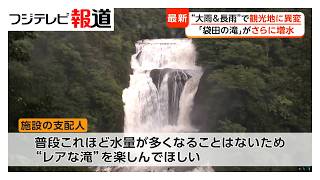
Prolonged rain has dramatically transformed Fukuroda Falls in Ibaraki Prefecture, sending far more water than usual over the famous cascade and drawing growing numbers of tourists eager to see the unusually powerful spectacle.