



Japan Airlines has revamped its domestic lounge at Tokyo's Haneda Airport, adding private workspaces, meal options timed to passengers' departures and facilities for families as it seeks to meet the needs of an increasingly diverse range of travelers.

Fans from across Japan gathered in Furano, Hokkaido, on October 3 to visit filming locations from the television drama "From the Northern Country," marking the first weekend since the death of the series' screenwriter, So Kuramoto.

Young men leaped onto horses racing at full speed through the grounds of Kasuga Shrine in Takahama, Aichi Prefecture, on October 3 as the city's traditional Takahama Omanto Festival got underway.

Around 38,000 dolls, including traditional Japanese dolls and stuffed animals, were brought to Meiji Shrine in Tokyo's Shibuya Ward for the annual Doll Appreciation Festival, where visitors bid farewell to old and damaged dolls in a ceremony expressing gratitude for the years they had been cherished.

Nearly one year after the Osaka-Kansai Expo closed, the former exhibition grounds were opened to the media on October 2, revealing that around 90% of the pavilions and other facilities have been demolished, while the Forest of Tranquility remains a peaceful green space at the center of the site.

Osaka will launch regular nighttime sightseeing cruises on October 3, offering visitors a new way to enjoy the city's illuminated waterfront, including the historic architecture of Nakanoshima and the skyline surrounding Osaka Castle.
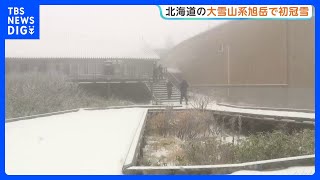
Hokkaido's highest peak, Mount Asahidake in the Daisetsuzan mountain range, recorded its first snow cover of the season on October 2, with the area around the Asahidake Ropeway's Sugatami Station, at an elevation of approximately 1,600 meters, blanketed in snow.

The 2026 Kishiwada Danjiri Festival brought generations together in Sakai-cho, where young men hauling a four-ton wooden float, veteran organizers guiding its course and a first-year rooftop performer worked side by side to carry forward a tradition dating back more than 300 years.