News On Japan

Japanese children forcibly sterilized under government program to prevent 'inferior descendants'

TOKYO - Japan's parliament on June 19, 2023, received a long-awaited report showing that around 25,000 people were sterilised under the country's now-defunct eugenics law.

Under the programme about two-thirds of those who underwent the procedure did so without their consent, including children as young as nine years old.

News On Japan
POPULAR NEWS

Central Tokyo could experience its first extremely hot day of the year on the final day of the three-day weekend, with temperatures forecast to reach at least 35 C as dangerous heat spreads across eastern and northeastern Japan.

Apple has raised prices for iPhones sold in Japan, with the top-end iPhone 17 Pro Max now costing more than 210,000 yen, as the prolonged weakness of the yen increases the local cost of products priced and managed in US dollars.

Japan is likely to face increasingly long and dangerously hot summers as global temperatures continue to rise, with advanced climate simulations also pointing to more frequent torrential rain, rising seas and accelerating ice loss by the end of the century.

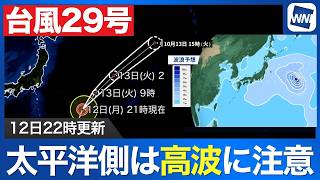
A tropical depression near the Truk Islands is expected to strengthen into a typhoon within 12 hours, but forecasters say it is unlikely to have any direct impact on Japan.

A protest against Prime Minister Sanae Takaichi was held in Tokyo's Shibuya district on July 16 as public concern grew over a bill that would impose criminal penalties for damaging the Japanese flag.

MEDIA CHANNELS
         

MORE Politics NEWS

Japan's revised Imperial House Law was enacted after clearing the House of Councillors with majority support, allowing female members to retain royal status after marriage and male-line descendants of former imperial family branches to enter the Imperial Household through adoption.

Prime Minister Sanae Takaichi closed the Diet session on July 17 under pressure from both parliament and financial markets, as lawmakers enacted a revised Imperial House Law while the government moved to clarify that monetary policy tools remain under the sole authority of the Bank of Japan.

A bill to revise the Imperial House Law was approved by an Upper House special committee on July 16, paving the way for its expected enactment on July 17.

A protest against Prime Minister Sanae Takaichi was held in Tokyo's Shibuya district on July 16 as public concern grew over a bill that would impose criminal penalties for damaging the Japanese flag.

Tokyo's Koto Ward will distribute portable emergency toilets to all residents to help households prepare for disasters and prevent health problems when regular sanitation systems become unusable.

Prime Minister Sanae Takaichi entered the final stretch of the Diet session on July 16 facing a concentrated test of her leadership, with Imperial House legislation moving through upper house deliberations, opposition parties preparing for intensive questioning, and bond-market pressure continuing to complicate the government’s growth strategy.

Japan has become an unexpected base of operations for Russian intelligence agents since Moscow’s invasion of Ukraine, with spies allegedly using the country to procure and smuggle high-tech equipment and other goods to Russia, The New York Times reported on July 12.

Prime Minister Sanae Takaichi moved to contain political pressure on July 14 by confirming that she will attend intensive Budget Committee deliberations later this week, as the final days of the Diet session turned into a test of her parliamentary management, economic policy credibility and conservative legislative agenda.