News On Japan

Docomo Unveils World's First Taste Sharing Technology

TOKYO - NTT Docomo has developed the world's first technology to digitize taste using ultra-high-speed 6G communication, enabling the sharing of taste experiences.

The technology estimates the taste perceived by another person using about 25 data points and replicates flavors that are difficult to express verbally by blending five basic tastes: sweet, salty, sour, bitter, and umami or savory, allowing users to experience the flavors felt by characters in anime, movies, and other media.

Source: ANNnewsCH

News On Japan
POPULAR NEWS

A tropical depression near the Truk Islands, far southeast of Japan, was moving north-northwest at about 15 kilometers per hour as of 3 a.m. on September 15 and is expected to develop into a typhoon within 24 hours, potentially affecting a wide area from Okinawa through western Japan to the Pacific coast of eastern Japan as it strengthens and moves north.

Kajima Corp. has unveiled the construction site of KAJIMA TREE, a roughly 60-meter wooden tower being built for the International Horticultural Expo that will open in March 2027.

Climbers who get into trouble on Mount Fuji during the official closed season could be charged for rescue by disaster-prevention helicopters under new safety measures being considered by Yamanashi Prefecture.

Genta Koja, a former deputy mayor of Naha who accepts the relocation of the U.S. Marine Corps Air Station Futenma to Henoko in Nago, won the Okinawa gubernatorial election on September 13, defeating incumbent Governor Denny Tamaki and bringing an end to 12 years of prefectural administrations committed to blocking the project.

Roads around the Fushimi Otesuji Shopping Street in Kyoto's Fushimi Ward were flooded on the evening of September 13 after water began gushing from a nearby road, forcing authorities to close part of the street to traffic.

MEDIA CHANNELS
         

MORE Sci-Tech NEWS

Tesla unveiled its Cybercab in Japan for the first time on September 11, showcasing an AI-powered autonomous taxi designed without a steering wheel or pedals.

Large volumes of floodwater poured into the Metropolitan Area Outer Underground Discharge Channel in Kasukabe, Saitama Prefecture, following heavy rain on September 7, prompting the massive underground flood-control facility known as the "Underground Temple" to go into operation.

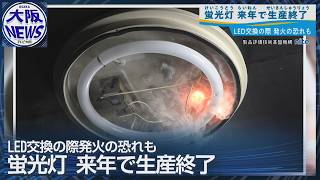
Fluorescent lamps that have illuminated Japanese homes and workplaces for decades are approaching the end of production, with Panasonic preparing to wind down a business it has operated since 1951 while experts warn that incorrectly replacing some fixtures with LEDs could create a fire risk.

Osaka-based spray nozzle maker IKEUCHI is expanding applications for its proprietary "Dry Fog," an ultra-fine mist that can cool, humidify and create visual effects without leaving surfaces wet, with the technology now being used in factories, livestock farming, crop cultivation and tourist attractions in Japan and overseas.

Japanese companies are moving closer to commercializing photonics-electronics convergence technology that replaces part of conventional electrical data transmission with optical signals, potentially allowing huge volumes of data to move with lower latency while sharply reducing power consumption as artificial intelligence drives rapid growth in electricity demand from data centers.

A new generation of optoelectronic integration technology developed over four decades by Japanese companies is moving closer to commercialization, offering a way to transmit huge volumes of data with low latency while sharply reducing the electricity consumed by data centers as artificial intelligence drives explosive growth in computing demand.

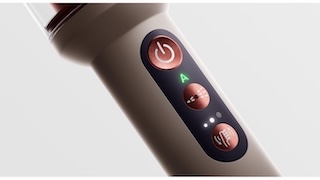
Dyson CameraJet™ turns the smart toothbrush into an active sensing product, making useful feedback and clear privacy design part of the same engineering brief.

A late former professor at Asahikawa Medical University has won the Ig Nobel Prize in Medicine for scientifically examining the proper way to blow the nose, extending Japan's streak of Ig Nobel winners to 20 consecutive years.