Dec 10, 2025 (News On Japan) - In an age marked by rapid technological advancement and ever-evolving media trends, holistic health education has found a powerful ally in digital storytelling.
Lifelong learning is no longer confined solely to textbooks and lectures; it now embraces innovative multimedia tools that enable educators, students, and practitioners to weave rich narratives about self-healing, nutrition, mental health, and environmental wellness. As holistic approaches to health gain momentum, the integration of visual and auditory media is reshaping the way personal and community wellness stories are shared. This evolution is not merely a trend but a deliberate convergence of the narrative tradition with modern methods that empower individuals to explore and embrace their innate capabilities for restoration and growth.
The evolution of digital content creation has opened up opportunities to document personal journeys, articulate educational insights, and disseminate complex health information in accessible ways. By leveraging the combined power of video, audio, and imagery, educators in holistic health can transform their lectures into immersive experiences that engage students on multiple sensory levels. Multimedia storytelling, rooted in authentic experiences and research-backed content, reinforces the values of self-healing and integrated wellness that are central to many progressive educational institutions.
At a time when audiences demand transparency and relatability in both educational and wellness content, digital narratives become essential. They bring to life the dynamic interplay between traditional wisdom and cutting-edge technology, underscoring broader cultural shifts toward awareness and sustainable living. As more individuals seek out holistic health education, multimedia content becomes an indispensable bridge between academic rigor and everyday inspiration.
Empowering Educators and Learners with Innovative Tools
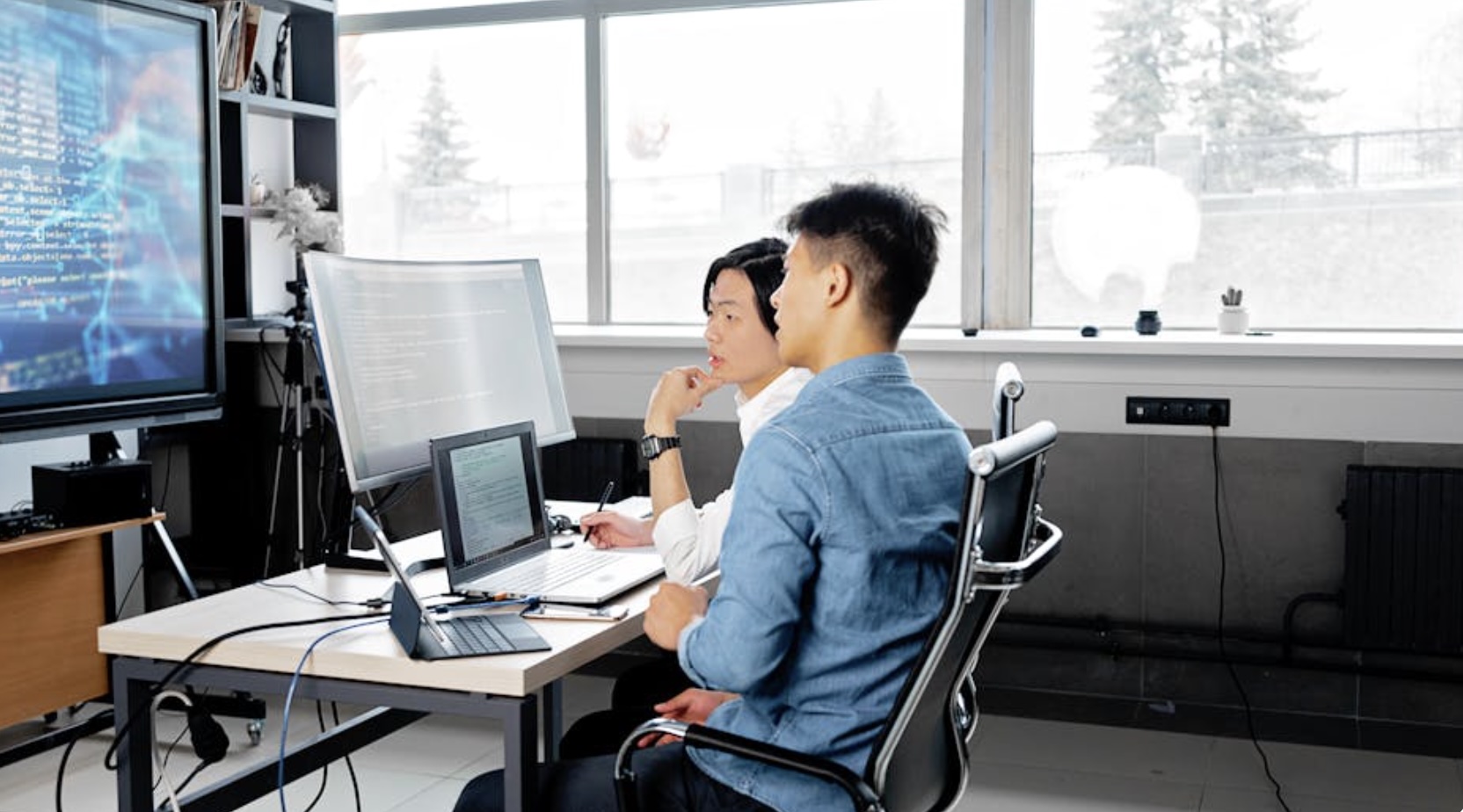
The rapid rise of digital platforms has democratized content creation, enabling even those with limited technical skills to produce professional-level multimedia work. Educators and students alike benefit from tools that simplify video production and editing, making it possible to craft compelling presentations and narrative documentaries with ease. This accessibility fosters creativity while encouraging active participation in learning, particularly when exploring subjects as nuanced as holistic health and alternative medical practices.
Among the standout solutions in this realm are modern video editing tools that combine ease of use with powerful functionality. Their intuitive design allows users to trim clips, overlay text, adjust audio tracks, and apply visually compelling filters all from a web-based interface. For many, these tools remove barriers to entry and allow the focus to remain on creating high-quality, impactful narratives that resonate with diverse audiences.
• Web-based editors are typically the easiest to learn and access - no installation is required, so educators and students can start editing quickly from different devices; professional desktop editors usually offer deeper capabilities but require a longer learning curve.
• In terms of setup and mobility, web tools excel for quick classroom projects and collaborative sharing, while desktop software and mobile apps provide advantages for offline work, advanced compositing, or touch-optimized editing on the go.
• Feature sets differ: many web editors focus on templates, simple effects, and streamlined workflows that suit educational storytelling, whereas high-end desktop tools deliver advanced color grading, multi-cam support, and plugin ecosystems for complex productions.
• Cost and collaboration models vary - web-based platforms often include free tiers and subscription options that simplify budgeting for schools, and their cloud-based nature can make teamwork and file sharing easier compared with traditional license-based desktop software.
Furthermore, integrating digital editing platforms into the curriculum supports various pedagogical approaches. Instructors can incorporate multimedia projects that require students to synthesize research findings with creative expression, deepening the understanding of subjects ranging from nutrition science to spinal health. The resulting projects blend academic rigor with personal insight, creating a multifaceted learning experience that underscores the importance of self-care and resilience in everyday life.
This wave of digital democratization reflects broader trends in education and wellness. As content creation becomes more accessible, interactive and participatory learning models are on the rise. These methods emphasize collaboration, real-time feedback, and the sharing of personal stories, elements essential for nurturing a well-rounded perspective on health and wellbeing. With the industry continuously innovating, the future of holistic health education is increasingly intertwined with digital media, transforming traditional classrooms into dynamic hubs of creativity and discovery.
How Multimedia Enhances the Holistic Health Narrative
Digital storytelling serves as a potent medium for conveying wellness philosophies and practical health tips. By merging personal narratives with research-driven insights, multimedia content breaks complex topics into digestible segments that appeal to both visual learners and auditory explorers. Videos highlighting success stories in self-healing not only inspire viewers but also provide tangible examples of integrated approaches leading to meaningful lifestyle changes.
The holistic health narrative is enriched when educators employ multimedia tools to illustrate key concepts such as the interrelation between mind, body, and environmental factors. Content featuring interactive video tutorials on nutritional practices or animated sequences that explain chiropractic techniques allows viewers to visualize the benefits of integrated wellness strategies. This approach cements theoretical underpinnings while offering pragmatic insights applicable in daily life.
Digital media also invites active dialogue between educators and learners. Online environments that facilitate sharing of comments, feedback, and collaborative projects transform the learning process into a dynamic conversation. This interactive dimension is particularly vital in holistic health education, where personal experiences carry as much weight as empirical research. By coupling scholarly material with visually engaging projects, multimedia content bridges the gap between scientific inquiry and personal well-being.
Recent industry research indicates that the global wellness market reached $6.3 trillion in 2023 and is anticipated to grow to $9 trillion by 2028. This remarkable surge reflects an increased public emphasis on wellness practices and the demand for accessible, quality health education. Multimedia innovations play an instrumental role in translating these broad wellness trends into compelling educational content that drives consumer engagement.
As educators develop more impactful learning experiences, integrating robust digital tools is essential for converting complex subjects into interactive visual narratives. This strategy improves comprehension and fosters a closer connection with audiences. In a digital landscape characterized by fleeting attention spans, content that combines striking visuals with clear, concise messaging is more likely to make a lasting impact.
Moreover, a focus on multimedia in wellness education supports inclusivity and accessibility. Visual content that incorporates sign language, subtitles, and adaptive design reaches diverse audiences, including those with specific learning needs or disabilities. Federal standards require educational institutions to adopt web content meeting stringent accessibility criteria, a move that enhances both compliance and the quality of digital educational resources.
Bridging Digital Innovation and Personal Wellness
The incorporation of digital media in holistic health education signals a broader cultural shift valuing both the preservation of ancient wisdom and the embrace of modern technology. Educators, practitioners, and wellness advocates increasingly recognize that technology can catalyze personal transformation by amplifying voices and sharing transformative stories. Digital media transforms abstract principles into relatable practices that individuals can integrate into their daily routines.
Courses and seminars emphasizing self-healing and mindfulness frequently employ multimedia presentations to demonstrate techniques ranging from guided meditations to practical posture correction. These dynamic visual aids simplify complex procedures and empower audiences to manage their health through informed practices.
Digital storytelling in wellness education also nurtures community by encouraging collaborative learning. Personal narratives shared via video diaries, recorded testimonials, and interactive webinars shift the focus from isolated struggles to collective empowerment, fostering networks of support and shared knowledge that pave the way for a more compassionate society.
Blending digital innovation with holistic health education creates fertile ground for creative experimentation and practical learning. Mastery of digital storytelling often serves as a lens to better comprehend wellness complexities, prompting educators to revisit and refine their own practices for both personal and professional growth. Such reflective practices are essential for staying at the forefront of holistic health education in an ever-evolving landscape.
The continuous evolution of digital media elevates expectations for high-quality, engaging content that naturally intertwines technology with personal wellness. Multimedia content not only informs but also inspires, capturing the dual essence of holistic health education. Institutions like Life University exemplify this blend by fusing academic insight with dynamic storytelling, ensuring that the future of wellness education remains as vibrant and multifaceted as the subjects it illuminates.
Nurturing Well-Being Through Integrated Learning and Boundaries
Establishing and maintaining healthy boundaries is a cornerstone of true wellness. In both professional and personal spheres, clear limits help prevent burnout and support sustainable growth. Multimedia storytelling offers a unique way to explore these themes, using visual narratives to articulate the importance of mental health, self-care, and community support.
Video and digital media can vividly portray scenarios in which clear boundaries not only safeguard mental health but also enhance interpersonal relationships. Narratives focusing on conflict resolution, stress management, and the balance between work and leisure gently remind viewers of the importance of self-respect and emotional empowerment. Often, these stories inspire individuals to revisit their personal practices and consider constructive changes.
The narrative of self-healing is closely tied to the practice of setting healthy boundaries. As modern life presents challenges ranging from work pressures to the constant influx of digital information, the ability to say “no” becomes a vital skill. Educational approaches that combine personal anecdotes with scientific insights offer a comprehensive view of why boundaries are essential for sustained well-being.
Interactive seminars, video documentaries, and digital case studies contribute to a layered understanding of wellness. Learners engage with content that not only informs but also maps out practical strategies for managing daily stresses. Personal stories, supported by research and expert commentary, highlight how healthy boundaries are instrumental in fostering resilience and personal empowerment.
For additional perspectives on maintaining balance, a related discussion is available in an article on setting healthy boundaries in relationships. This thoughtful piece complements the broader narrative of holistic education by outlining practical strategies for managing emotional energy and interpersonal dynamics.
As wellness education adapts to the digital landscape, the blend of multimedia storytelling with integrated learning remains a transformative force. Translating intricate concepts into engaging content fosters an environment where innovation and personal growth coexist, empowering educators and learners to transcend traditional paradigms in favor of more interactive and thoughtful approaches.
Conclusion: A Vision for the Future of Holistic Health Education
The integration of digital media into holistic health education is more than a technological shift, it represents a fundamental change in how knowledge and healing are perceived and shared. The journey from enhanced multimedia capabilities to the personal empowerment derived from healthy boundaries encapsulates a forward-thinking vision of modern wellness education. Storytelling through digital platforms bridges academic content with real-life applications while democratizing the way information is conveyed, ensuring that every learner has access to transformative educational experiences.
By cultivating environments in which educators and students collaborate through visually engaging content, institutions like Life University are paving the way for a future where holistic health is both taught and experienced. As digital innovations continue to transform educational landscapes, the focus on personal narratives and evidence-based wellness strategies will remain a cornerstone of success. This evolution reflects societal transformation and serves as a catalyst for advancing self-healing and integrated learning for all.
The symbiosis of technology and holistic education offers a promising future where creative expression aligns with scientific inquiry and personal narratives fuel collective growth. Embracing these changes, educators and learners are empowered to harness multimedia storytelling, ultimately paving the way for a more engaged, informed, and healthier society.