News On Japan

The Yen's Impact on Inbound Travel: A 2026 Outlook for Extended Stays

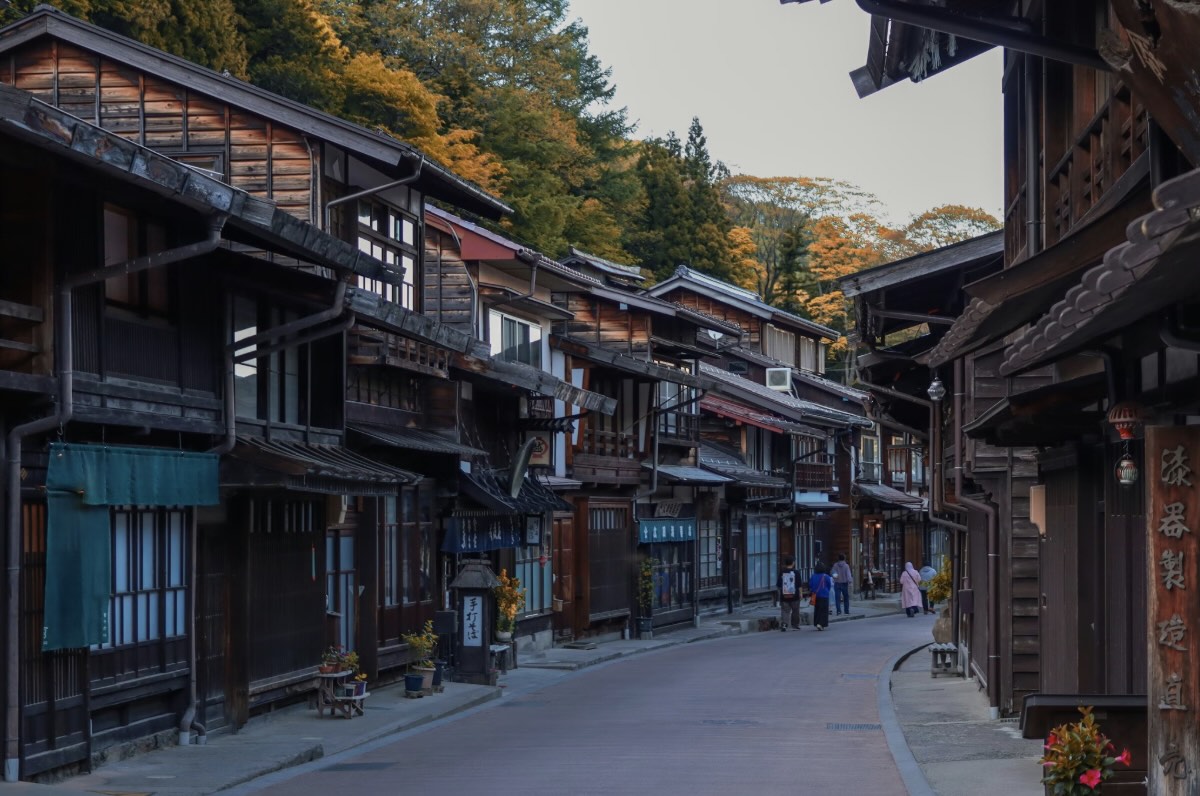
May 14, 2026 (News On Japan) - I have often thought that the true rhythm of a city like Tokyo is best understood not from the high-rise lobby of a luxury hotel, but from the quiet side streets where the local vending machines hum through the night and the scent of a neighborhood bakery begins to drift at dawn – a perspective that is becoming increasingly attractive as we all try to navigate through (and at times, away from) a more and more complicated digital world.
The Yen's Impact on Inbound Travel: A 2026 Outlook for Extended Stays

While the neon lights of Shinjuku remain as vibrant as ever, the way we are choosing to experience them is undergoing a quiet but profound transformation, driven largely by the complex dance of the global economy and the specific fiscal choices being made within the Japanese capital.

What’s Going on?

It all comes down to the volatility of the national currency, which recently saw the BOJ intervene to support the Yen after it touched the 160 mark against the dollar – a move that underscored just how high the stakes have become for international visitors. Why? Because while our purchasing power remains relatively strong, there is a newfound urgency to spend that capital more wisely, prioritizing depth of experience over the fleeting convenience of traditional tourist hubs.

With the central bank holding interest rates at 0.75% for the time being, yet hinting at a potential hike as early as June to combat rising energy costs, we’re all sensing a “cautious recalibration”.

This economic environment has catalyzed several significant tourism trends, most notably a pivot toward what many are calling residential travel. Instead of the typical seven-day whirlwind tour through the Golden Route, we are seeing a rise in visitors who choose to plant roots in a single neighborhood for two or three weeks at a time. This allows for a much more sustainable pace – one where you can actually get to know the clerk at the corner konbini and find the best local ramen spot that doesn't have a line stretching around the block. When you plant your feet for more than a couple days, not every meal has to be restaurant standard, and not every outing has to be a big expense.

According to the latest Japan news today, the influx of tourists has reached record highs, putting immense pressure on traditional hotel infrastructure. This shift has created a massive surge in the demand for apartments in Japan as visitors look to maximize their purchasing power. By opting for short-term residential rentals, travelers can maintain a more sustainable budget while experiencing the local lifestyle—a trend that is redefining the tourism landscape for 2026.

The Regional Reach

This shift toward apartments and longer stays is also encouraging a much-needed dispersion of crowds away from the oversaturated centers of Kyoto and Tokyo. Travelers are discovering the charm of regional cities like Sapporo or the quiet coastal towns of Shikoku, where the cost of living is lower and the cultural immersion is significantly higher. These areas offer a reprieve from the density of the major metros while providing a more authentic window into the daily life of the country – something that is often lost when you are viewing the world through the window of a tour bus.

The aim of the game is now intentionality rather than speed. As the BOJ continues to fine-tune its policy and the Yen finds its new equilibrium, the travelers who thrive will be those who embrace a slower, more residential approach to their itinerary. We aren't just saving money – we are gaining a seat at the table in one of the most fascinating cultural landscapes in the world.

News On Japan
POPULAR NEWS

[updated 8:00 a.m.] Transport services across eastern Japan were largely returning to normal on June 4th after Typhoon Jangmi (Typhoon No. 6) moved into the Pacific Ocean, with most railway lines resuming operations, airports functioning normally and airlines working to clear residual delays following a day of widespread disruption that saw nearly 900 flights canceled and major rail services suspended.

Typhoon Jangmi (Typhoon No. 6) swept across Japan on June 3rd, bringing record-breaking rainfall, widespread flooding, landslides, transport disruptions, and powerful winds, while prompting Tokyo's first-ever issuance of a Level 4 danger alert under the country's new weather warning system. The storm also exposed challenges surrounding evacuation behavior, as many residents chose not to leave their homes despite official warnings affecting more than 1.6 million people across the Tokyo metropolitan area.

A body discovered in a river in Tatsuno, Hyogo Prefecture, has been identified as 42-year-old Kenji Oyama, the suspect wanted nationwide in connection with the murder of a mother and daughter last month, police announced on June 4th.

As Typhoon Jangmi (Typhoon No. 6) struck Wakayama Prefecture on June 3rd, the storm became the first major test of Japan's newly introduced disaster weather warning system, revealing both the benefits of earlier evacuation calls and the challenges local authorities faced in helping residents understand and respond to the new alerts.

Flooding was reported around the popular tourist district of Oharai-machi in Ise City following the passage of Typhoon No. 6, with some businesses forced to clean up after floodwaters overflowed from a nearby river during the early hours of June 3rd.

MEDIA CHANNELS
         

MORE Travel NEWS

A new ferry service linking Ishigaki Island and Taiwan has begun operations, marking the return of a regular maritime route between the two destinations for the first time in 18 years.

Bear-related incidents have occurred in quick succession in Fukushima and Akita prefectures, leaving four people injured in Fukushima while authorities in Akita are investigating a suspected fatal bear attack involving a woman in her 70s.

One of Kyushu's most distinctive dining destinations, the underwater restaurant Manbo in Yobuko, Saga Prefecture, has temporarily closed after 43 years in operation as construction advances on a new and modernized replacement scheduled to open this autumn.

A veteran hunter with 42 years of experience has become the first person hired by Hokkaido as a "Government Hunter," a newly created role aimed at strengthening bear control measures and improving public safety.

Kansai Airport has completed its first large-scale renovation since opening, 24 additional stores, including a Universal Studios Japan outlet, marking the theme park's first airport store in Japan.

Osaka City will stop accepting new applications for its special-zone minpaku program on May 29 as complaints over noise, garbage disposal and other issues involving guests continue to increase.

Sanmarc Holdings is betting on Kyoto's global appeal and the growing popularity of gyukatsu among foreign tourists as it accelerates overseas expansion, with President Yuki Fujikawa positioning the beef cutlet chain as a key driver of the restaurant group's inbound tourism and international growth strategy.

A new travel style known as “Otetutabi,” which combines short-term work with tourism, is rapidly gaining attention across Japan as both travelers and local businesses search for new ways to address changing social and economic realities.