Yama Style is a captivating combination of aesthetics and functionality which showcases the splendor of the outdoors with a distinctive Japanese lens.
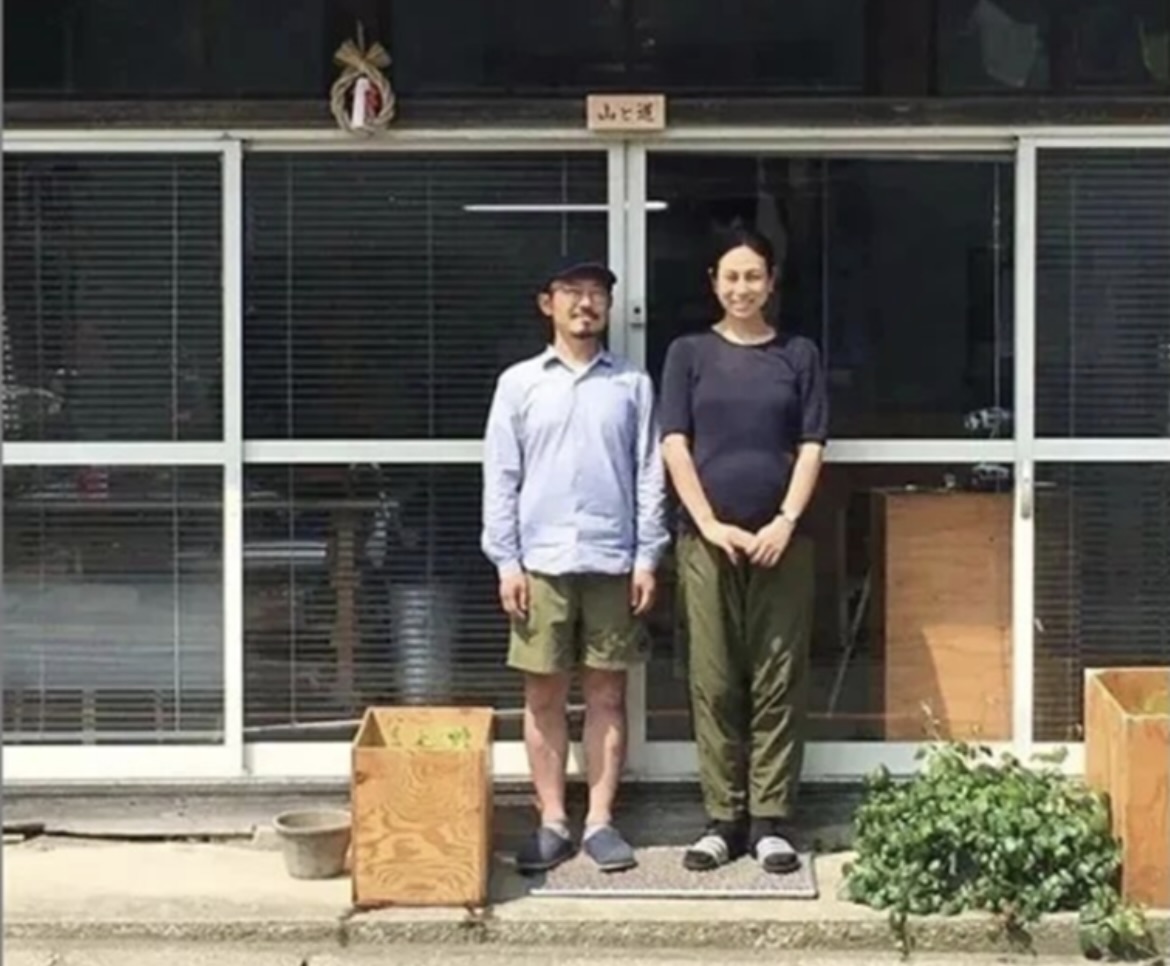
It is rooted in the rich traditions of Japanese tradition. We'll dive into the intriguing world in which tradition is paired with modernity in outdoor clothing!
Japanese Culture's Influence on Outdoor Fashion
Japanese tradition has had an enormous influence on the fashion of outdoor by blending centuries of craft together with modern elements of design like patterns for kimono and indigo dyeing techniques to create clothing which has its own unique style.
The linen and cotton fabrics are reminiscent of the past while offering the best ease during outdoor pursuits.
Functional elements also reflect traditional practices; many garments incorporate layering techniques from kimono to allow them to adapt easily and flexibly with changing climate conditions.

Color palettes often draw from nature--soft earth tones combined with vibrant hues inspired by seasonal blooms to energise both style and connection to nature are what set Yama Style apart in today's fashion landscape. This harmonious balance between tradition and modernity sets them apart as leaders of fashion today.
As more people embrace this cultural crossover, it continues to transform how we understand outdoor apparel while celebrating Japan's rich tradition.
Functional Elements of Yama Style Clothing
Yama Style clothing stands for practicality. Their designs prioritize comfort and performance for optimal outdoor activities.
Breathable fabrics are key features of this style, allowing moisture to escape while simultaneously keeping you comfortable on long hikes or mountain ascents.
Layering is another essential feature. Yama enthusiasts tend to wear multiple layers that can easily be added or taken off according to weather changes; lightweight jackets and vests offer protection without bulk.
Pockets are both fashionable and functional; featuring cleverly placed compartments to easily store essentials like maps, snacks and tools within reach.
Durability also plays an essential part. Many garments can withstand rain, wind and rugged terrain with ease so adventurers can focus solely on their journey without worrying about whether their attire remains intact.
Yama Style stands out by being both functional and beautiful - an attractive combination that makes outdoor activities easy! It makes this outdoor travel essential both fashionable and functional!
Considerations in Yama-Style Design
Yama Style is an aesthetic that seamlessly marries nature with fashion. Drawing upon Japan's breathtaking landscapes as inspiration, earthy tones and organic textures find their way into outdoor wear fashion.
Color is often reflective of its environment; soft green hues in springtime and deep red tones in fall allow wearers to connect to their environment while maintaining an understated elegance.
Materials play an essential part of fashion as well. Fabric selection depends not only on durability but also how they drape and move with movement; natural fibers such as cotton and wool provide comfort without compromising style.
Patterning can range from subtle to bold designs that echoed Japanese traditions like waves or mountains - these designs elevate functionality while honoring cultural heritage.
Accessories--such as backpacks and hats from popular Japanese hat brands--further enhance this visual language, each piece telling its own tale and making Yama Style both practical and deeply expressive.
Popular Brands and Designers of Yama Style
Yama Style garments have become extremely fashionable over time and various brands and designers of Yama-style apparel are known as brands and designers of Yama style products are currently producing them.
Yama Style has captured both outdoor enthusiasts and fashionistas. Numerous brands have become synonymous with its distinct aesthetic.
Snow Peak stands out among these brands due to their innovative high-quality camping gear that doubles as stylish streetwear. Their designs embody craftsmanship and simplicity while marrying form with function.
The North Face Purple Label offers another exciting approach to Yama Style. Focused on modern materials while honoring classic Japanese design elements, these pieces combine both practical and aesthetic attributes into stunning pieces that stand out.
Montbell, known for their lightweight outdoor apparel, stands out as being especially lightweight yet functional and fashionable at once. Their attention to detail ensures durability without compromising style - ideal for adventure seekers as well as aesthetic lovers!
Each label captures Yama Style--where utility meets elegance in nature's great outdoors.
How to Incorporate Yama Style into Your Wardrobe
Integrating Yama Style into your wardrobe is easier than you might imagine. Layering is at the heart of this aesthetic; look for lightweight base layers that allow freedom when hiking or exploring outdoors.
Next, invest in versatile outerwear. Select jackets made of lightweight yet functional materials like mesh fabric that can withstand different climate conditions and styles that feature functional features while remaining fashionable.
Accessories play an essential role as well. Popular hat brands in Japan feature unique designs to provide sun protection while adding flair and style to your ensemble. A minimalist cap or wide-brimmed hat can enhance both appearance and function while contributing to its purpose.
Footwear should also not be overlooked: choose comfortable yet fashionable shoes made of natural colors and textures so as to embody Yama Style effortlessly.
Subtle details such as eco-friendly fabrics or traditional Japanese patterns will bring Japanese heritage alive in an artful, contemporary manner.
Conclusion
Yama Style represents an exciting mix of contemporary and tradition that is popular with contemporary outdoors enthusiasts. It draws inspiration from Japanese traditions for its richness, its practical design offers functionality. With more people seeking environmentally friendly clothing alternatives that satisfy this standard, Yama Style stands out as a striking alternative.
The aesthetic appeal of this brand cannot be denied. The muted hues with intricate designs and well-crafted silhouettes create clothing with unquestionable style designed to serve a purpose and also expressing your personality as the person wearing them. The harmonious blend of design and function is a great choice for avid adventurers, as well as the casually seeking stylish casual clothing.
Popular Japanese apparel brands make Yama Style easily attainable to anyone, whether hiking in the mountains or strolling through cities - adding elements of Yama Style into your wardrobe can transform it dramatically and help boost its fashion game considerably.
Yama Style stands apart as more than clothing; it provides an entire lifestyle built upon respecting nature and craftsmanship - inspiring millions around the globe.