




Japan recorded a current account surplus of 4.062 trillion yen in August, an increase of 12% from a year earlier, driven primarily by a sharp rise in income from overseas investments, even as higher crude oil prices pushed the country's trade balance into deficit.
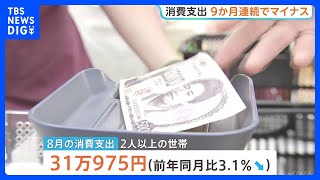
Household spending in Japan fell 3.1% in August from a year earlier, marking the ninth consecutive month of decline as rising food prices continued to weigh on consumer budgets, according to the latest household expenditure survey released by the Ministry of Internal Affairs and Communications on October 9.

Tokyo stocks ended nearly unchanged on August 12, with the Nikkei 225 at 66,988.82, as gains in energy and financial shares offset weakness in electronics and pharmaceuticals while investors weighed higher crude oil prices, a weaker yen and growing expectations for another Bank of Japan rate increase.

Japan is entering a more difficult phase in its cybersecurity challenge, as a succession of major data breaches and ransomware attacks exposes weaknesses not only in corporate IT systems but also in supplier networks, governance structures and operational resilience.

Japan's four largest beer makers were subjected to simultaneous compulsory searches on October 7 over suspicions they coordinated wholesale prices for beer and other alcoholic beverages, in a rare cartel investigation that could lead to criminal charges.

Tokyo stocks fell on October 7, with the Nikkei 225 closing at 70,036, down 648 points, as investors took profits in semiconductor and artificial intelligence-related shares after the index’s rapid climb above 70,000 earlier in the week.