



Toyota Motor's global vehicle sales fell 6.4% from a year earlier to 790,743 units in August, marking the second consecutive month of year-on-year declines as high gasoline prices linked to the Middle East crisis continued to weigh on demand for gasoline-powered vehicles in China.

Tokyo stocks fell on September 29, with the Nikkei 225 closing at 65,481, down 396 points, as the market adjusted for September interim dividends and investors remained cautious over high Japanese bond yields, a weak yen, oil prices and profit-taking after the recent rebound.

Japan will unify liquor tax rates on beer, happoshu and other beer-like beverages from October 1, lowering the tax on regular beer while raising it on cheaper alternatives in a reform expected to reshape prices and competition across the domestic beer market.

Beaujolais Nouveau, France's newly produced wine traditionally associated with autumn, arrived in Japan on September 28 about a month earlier than usual after a record-breaking heatwave accelerated this year's grape harvest.

Tokyo stocks fell on September 28, with the Nikkei 225 closing at 65,878, down 486.58 points, as an early rally above 67,000 faded into profit-taking despite dividend-related buying and continued support for banks and insurers.

Pawn shops in Japan are seeing growing demand as rising living costs push more people to borrow against their valuables, with customers pledging everything from family jewelry to luxury watches and gold coins to cover everyday expenses, medical bills and business costs.
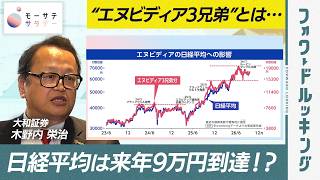
Tokyo stocks head into September 28 with the Nikkei 225 sitting at 66,364 after a five-session winning streak, as investors weigh strong artificial intelligence and semiconductor momentum against dividend-related trading, a weak yen, high bond yields and lingering uncertainty over the Bank of Japan’s next move.

A levee collapse at Lake Inbanuma in Chiba Prefecture following heavy rain from Typhoon No. 25 has devastated a koi breeding facility in Narita, leaving nearly 100,000 fish lost and causing an estimated 1 billion yen in damage to livestock and equipment.