CHIBA - Severe disruption continued across Chiba Prefecture after the holiday period, with rail closures forcing some commuters into three-hour journeys while more than 2,700 vehicles remained immobilized by flooding caused by last week's torrential rain.
At JR Soga Station in Chiba city on the evening of August 17, long lines formed for replacement buses because sections of the JR Sotobo Line remained suspended following the heavy rain.
The buses were carrying passengers about 30 kilometers to Mobara Station, but some travelers still had to transfer to trains from there to reach home.
One passenger returning from work said he would have to change to a train again at Mobara. "It is 7 p.m. now, so I probably won't get home until around 10 p.m. Normally, by then I would have finished dinner and cleaning up," he said.
Another commuter said the morning journey had also been severely affected. "I probably waited more than an hour," the passenger said. Asked how long the usual commute takes, the passenger said 30 to 40 minutes, compared with a total of about three hours on August 17.
JR East said service between Oami and Honno stations will resume from the first train on August 18. The company is aiming to restore operations between Honda and Oami stations on Monday, August 24.
The torrential rain that struck Chiba last week has left 10 people dead. More than 2,000 homes across the prefecture have suffered damage, including flooding above and below floor level and structural damage.
The flooding has also left large numbers of vehicles unable to move.
At a roadside assistance company in Chiba city, workers have been responding to about 200 towing requests since the heavy rain struck on Thursday, August 13, with the company's entire workforce involved in recovery operations.
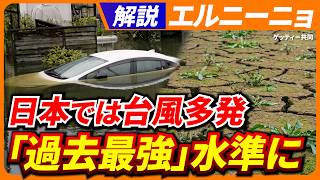
More than 2,700 vehicles across Chiba Prefecture have been left immobilized after being submerged or otherwise damaged by floodwaters.
At one location, workers encountered a vehicle whose engine would not start and which could only be moved by tow truck. However, even towing proved difficult.
"The parking brake cannot be released and the tires will not move, so we may have to come back another day," a roadside assistance worker said.
Many other vehicles cannot be moved immediately, and workers estimate it could take about three weeks to remove all of them.
Takashi Saito of Sakae Iron Works said access to damaged vehicles is one of the main obstacles slowing recovery efforts. "It is fine if the vehicle is on a large road or somewhere that can be driven on, but in residential areas and various other places, this tow truck cannot get in. That means the work can take some time," he said.
Chiba Prefecture and other authorities have established a project team to address the large number of stranded vehicles, with a countermeasures meeting scheduled for August 18.
Flooding also continues around a nursing care facility in Mobara, where water remains on the road in front of the building, preventing vehicles from entering or leaving.
Floodwater temporarily entered the facility itself, forcing residents to evacuate to the second floor. Emergency supplies were delivered by the city on August 16, but difficult conditions have continued.
"Water has been coming back up through drains, including around the toilets, and we are cleaning it now," the facility manager said.
Cleaning and disinfection of the kitchen have been completed, allowing the facility to resume serving meals from the evening of August 17, but concerns remain about the health of residents staying in cramped conditions.
"We are living in evacuation conditions packed together in a confined space, so we are extremely concerned about the impact on people's health," the manager said.
Source: TBS