
News On Japan

WoWGG Auction Guide: How to Read Market Trends Before You Spend Your Gold

The WoW Auction House can look chaotic when you first start using it. Hundreds of listings may appear for the same item, prices can differ dramatically, and a deal that looks excellent at first glance may not be a deal at all.

WoWGG Auction Guide: How to Read Market Trends Before You Spend Your Gold

The solution is not to memorize every price. It is to understand how supply, demand, timing, and player behavior interact.

Start With a Small Market

Choose five to ten items that matter to the content you play. Materials for popular crafts, raid consumables, and commonly used reagents are good examples. Watch them regularly instead of checking dozens of categories once.

This creates a personal baseline. Once you know the usual price and volume, unusual movement becomes much easier to identify.

Cheap Does Not Always Mean Valuable

A low listing is only useful if you can sell the item later. Ask why it is cheap. Is the market temporarily flooded? Is demand about to increase? Is the item becoming obsolete? Or is the low listing simply normal?

This question prevents one of the most common Auction House mistakes: buying something just because the number looks smaller than the listings next to it.

Use the Market as a Source of Information

A quick look at wowgg auction can help you understand current supply and pricing. Combine that information with what is happening in the game. A new raid, a popular profession recipe, a balance change, or a new gearing path can all change what players want.

The strongest traders connect market data with gameplay rather than treating the Auction House as an isolated system.

Watch Volume as Well as Price

Price is only half the story. If one expensive item is listed, it does not mean the whole market supports that price. Likewise, a very low price across hundreds of units can indicate that the market is oversupplied.

When comparing listings, look for the depth of the market and how quickly similar items disappear. That provides a better picture of real demand.

Build a Repeatable Routine

Check the market at the same general points in your play cycle. Before major content, review consumables and crafting materials. After a busy farming period, look for increased supply. When you have enough data, make small trades and learn from the results.

Successful Auction House play is rarely about one spectacular flip. It is about making many decisions where the downside is controlled and the reasoning is clear.

World of Warcraft rewards preparation, but preparation does not mean following a single formula. Use current information to understand the environment, then adapt your build, economy strategy, or gameplay to the content you actually play. Small improvements in decision-making often add up to a much larger result over an entire season.

News On Japan
POPULAR NEWS

Typhoon No. 30 formed near the Marshall Islands at 3 p.m. on October 15, bringing the annual number of typhoons to 30 for the first time in 13 years, with forecasts indicating that the storm will intensify into a very strong typhoon as it moves westward across the Pacific Ocean, potentially approaching Okinawa.

Burger King Japan has announced that approximately 11.18 million records containing personal information of its official app members were leaked following unauthorized access to its systems between October 2 and October 7.

Japan's first Disney cruise ship will be named "Disney Imagination," with Oriental Land and its partners planning to launch the service in spring 2029, offering a new Disney-themed travel experience departing from Tokyo.

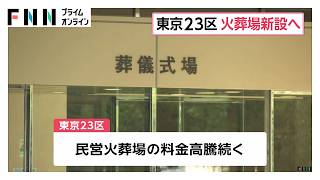
Tokyo's 23 wards have decided to establish a new small-scale public crematorium to address rising fees at privately operated facilities and growing concerns that cremation capacity could become insufficient around 2040 as the city's aging population drives up the number of deaths.

Japan is facing a growing wave of cyberattacks as advances in artificial intelligence remove the language barrier that once made Japanese companies difficult targets for overseas hackers, with more than 68 million personal records potentially exposed in a series of security incidents over the past two weeks.

MEDIA CHANNELS
         

MORE Business NEWS

Tokyo stocks edged lower on October 14, with the Nikkei 225 closing at 67,744, down 33 points, as an early rebound in semiconductor and artificial intelligence-related shares faded late in the session before the release of U.S. inflation data.

Japan's Nikkei stock average plunged more than 2,500 points at one stage during trading in Tokyo on October 15, as a sharp sell-off in semiconductor shares followed a surge in U.S. long-term interest rates and renewed concerns over the outlook for artificial intelligence investment.

Japanese family restaurant chain Saizeriya has announced its first major price increase since going public in 1998, raising menu prices by an average of 6% from October 29 as soaring ingredient and energy costs force the company to abandon its longstanding policy of keeping prices unchanged.

Tokyo stocks edged lower on October 14, with the Nikkei 225 closing at 67,744, down 33 points, as an early rebound in semiconductor and artificial intelligence-related shares faded late in the session before the release of U.S. inflation data.

Japan is expected to fall from fourth to sixth place in the global economic rankings in 2027, overtaken by India and the United Kingdom, according to the latest economic outlook from the International Monetary Fund (IMF), reflecting sluggish domestic growth and the continued weakness of the yen.

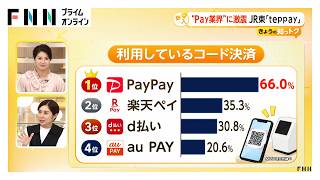
East Japan Railway (JR East) is preparing to enter Japan's fiercely competitive mobile payment market with the launch of teppay on October 20, introducing a new QR code payment service through its Mobile Suica platform and potentially tapping into a customer base of 45 million Suica users.

Japan's Fair Trade Commission plans to issue cease-and-desist orders against six construction companies, including firms affiliated with Japan Railways, over repeated bid-rigging in maintenance contracts for Tokyo's Toei subway network and other railway lines, with five companies facing surcharges totaling approximately 500 million yen.

Japan's domestic corporate goods price index rose 6.8% in September from a year earlier, slowing to below 7% for the first time in four months but remaining at a high level as soaring crude oil prices and growing demand for AI-related materials continued to push up costs, according to data released by the Bank of Japan on October 13.