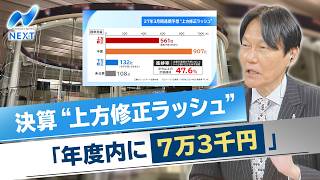
TOKYO - Japan's benchmark Nikkei Stock Average rebounded sharply on October 27, 2026, closing at 63,232.37, up 1,042.72 points, or 1.68%, at 3 p.m. Japan time, as semiconductor-related shares rallied following gains on Wall Street and renewed optimism about artificial intelligence investment, ending a three-session losing streak that had pushed the index to its lowest level in nearly three months.
The recovery followed a difficult start to the week for Japanese equities, with the Nikkei having fallen 503.51 points on October 26 to 62,189.65, its lowest closing level since July 30. Technology stocks had been particularly vulnerable to concerns about the rising cost of AI infrastructure and whether heavy spending by major technology companies would generate sufficient returns.
Semiconductor equipment manufacturers led Tuesday's advance, with Tokyo Electron gaining 4.5% and Screen Holdings rising 5.2%. Investors returned to shares associated with AI infrastructure after developments surrounding Anthropic's planned initial public offering helped ease concerns about the sector's valuations and future growth prospects.
The rebound was supported by overnight gains in the United States, where the technology-heavy Nasdaq Composite rose 0.8% and the S&P 500 advanced 0.7% on October 26. Nvidia helped lead the recovery in American technology shares, while expectations for forthcoming earnings announcements from major US technology companies added to investor interest in semiconductor and AI-related stocks.
The rally also extended across other Asian markets, with South Korea's Kospi gaining 3.1% as chipmakers Samsung Electronics and SK Hynix attracted buying interest. The regional recovery underscored the continuing influence of AI investment expectations on Asian equity markets, even as questions persist about the profitability of expensive data-center projects.
Japan's currency weakened during Tuesday's trading, with the dollar moving to around 157.5 to 157.7 yen, compared with 156.98 yen at the previous Tokyo market close. A weaker yen generally supports the earnings outlook for Japanese exporters by increasing the yen value of overseas revenue, although it also raises import costs for energy, food and industrial materials.
Currency traders were positioning ahead of monetary policy decisions in Japan and the United States, with attention increasingly focused on whether the Bank of Japan would signal further interest rate increases before the end of the year. The central bank was widely expected to maintain its policy rate at 1.25% when its two-day meeting concludes on October 30, while leaving open the possibility of additional tightening if inflation remains persistent.
Fresh inflation data released on October 27 reinforced expectations that the Bank of Japan would continue moving toward tighter monetary policy. The central bank reported that prices charged by businesses for services rose 3.7% in September from a year earlier, with the index reaching 115.5 against a 2020 base of 100. The increase was in line with market expectations and reflected continued pressure from higher labor and operating costs.
A separate Bank of Japan measure of underlying consumer inflation, which removes the effects of certain government policies and temporary factors, accelerated to 3.2% in September from 2.6% in August, reaching its highest level in almost three years. The figures suggested that inflation was becoming more firmly established across the domestic economy, rather than being driven solely by imported energy and food prices.
Transportation costs remained a significant source of pressure. Ocean freight charges surged 97.7% from a year earlier, reflecting higher fuel costs, the weak yen and disruption associated with tensions in the Middle East. Rising logistics expenses have added to the challenges facing Japanese manufacturers and retailers, many of which are attempting to pass higher costs on to customers without undermining demand.
The latest inflation figures have complicated the outlook for monetary policy. While higher wages have supported household incomes, persistent price increases continue to erode purchasing power, leaving the central bank to balance the need to contain inflation against the risk of slowing economic activity.
In parliament on October 27, Finance Minister Satsuki Katayama warned that the government was prepared to take decisive action against excessive currency movements as the yen remained under pressure. Katayama said authorities were monitoring foreign exchange developments with a strong sense of urgency and reiterated that currency rates should reflect underlying economic fundamentals.
The warning followed renewed weakness in the Japanese currency, which traded near 157.73 per dollar during the session. Japan's relatively low interest rates compared with those of other major economies have contributed to pressure on the yen, while concerns about public spending and the government's fiscal position have also weighed on investor sentiment.
Prime Minister Sanae Takaichi's plans for substantial government spending remain an important consideration for financial markets. Investors are assessing whether fiscal stimulus will provide sufficient support for domestic demand and business investment to offset concerns about government borrowing, higher bond yields and inflation.
In the corporate sector, Japan entered one of its busiest earnings periods of the autumn reporting season, with major companies including Shin-Etsu Chemical, Canon, Chugai Pharmaceutical, Nitto Denko, Japan Exchange Group and game developer Capcom scheduled to announce financial results on October 27.
The announcements are expected to provide further evidence of how Japanese businesses are managing currency volatility, higher operating expenses and changing overseas demand. Semiconductor materials producers and electronics manufacturers are particularly sensitive to developments in AI investment, while consumer-oriented companies face continuing questions about the strength of domestic spending.
Oil prices also remained a concern for Japan's economy despite retreating from recent highs. Brent crude traded around $110 a barrel on Tuesday, after previously rising on fears of supply disruption in the Middle East. As a major energy importer, Japan remains vulnerable to increases in global oil and gas prices, particularly when the yen is weak.
Attention is now turning to a series of monetary policy decisions and economic indicators scheduled later in the week. The US Federal Reserve is expected to announce its latest decision ahead of the Bank of Japan's October 30 policy announcement, while Japanese unemployment, industrial production and Tokyo consumer inflation figures are also due for release.
The upcoming data, together with earnings announcements from companies including Hitachi, Advantest, NEC, Fujitsu, Mitsubishi Electric and other major manufacturers, could determine whether Tuesday's recovery develops into a sustained rebound or remains a temporary interruption in the market's recent decline.
For investors, the immediate outlook will depend on three closely connected factors: whether enthusiasm for AI-related companies can survive scrutiny of corporate earnings, whether the yen stabilizes ahead of the Bank of Japan meeting, and whether persistent domestic inflation prompts policymakers to signal another interest rate increase before the end of 2026.