News On Japan

Tentacles, Kaiju and Kitsune: How Japanese Folklore Became a Global Fantasy Aesthetic

Japanese folklore and pop culture have shaped how the rest of the world imagines the fantastical.

Tentacles, Kaiju and Kitsune: How Japanese Folklore Became a Global Fantasy Aesthetic

Giant monsters stomping through cities, nine-tailed foxes, sea creatures with impossible limbs: many of the images that now feel universal began in Japanese art, theatre and film. Today that influence reaches far beyond anime and video games, into fashion, home décor and even adult products.

The sea and its creatures

Japan's long relationship with the ocean runs through its art. Octopuses, squid and sea spirits appear in woodblock prints, netsuke carvings and folk tales. One of the most famous examples is Katsushika Hokusai's 1814 print The Dream of the Fisherman's Wife, which depicts a woman with two octopuses. It remains one of the most discussed works of erotic art in the world, and it helped make the tentacle a recognisable artistic motif far outside Japan.

Kaiju: monsters as spectacle

In 1954, Godzilla introduced the world to kaiju, giant monsters born from anxieties about nuclear weapons and natural disaster. Kaiju films became a genre of their own, inspiring Hollywood blockbusters, comics and toy lines around the world. The idea of the monster as something awe-inspiring rather than simply frightening is a big part of why creature designs feel exciting rather than grotesque to modern audiences.

Yōkai and shapeshifters

Japanese folklore is full of yōkai, supernatural beings that range from mischievous to menacing. The kitsune, a fox spirit that can take human form, is one of the best known. Shapeshifting creatures that blur the line between human and animal have become a staple of fantasy fiction worldwide, from manga to Western romance novels.

From screen to shelf

As anime and games became global, collectors started looking for objects that reflected the same creativity. Designer vinyl figures, plush toys, jewellery and homeware all borrow from yōkai, kaiju and sea-creature imagery. The adult market has followed a similar path. Specialist stores now sell creature-inspired products, including tentacle designs, that draw on the same visual language of curves, suckers and otherworldly colour.

The common thread is craftsmanship and imagination. Consumers increasingly want products with character, and folklore offers an endless library of shapes and stories to draw from.

Why the aesthetic travels so well

Several things explain the global reach of Japanese fantasy imagery:

- Strong visual identity. Distinctive silhouettes like a kaiju's spines or a kitsune's tails are instantly recognisable.

- Emotional range. The same creature can be cute, frightening or sensual depending on the artist.

- Cross-media storytelling. Characters move easily between film, manga, games and merchandise.

- Online communities. Fans share art, cosplay and collections across borders every day.

Looking ahead

Japanese folklore continues to evolve as new creators reinterpret old stories for new audiences. Whether it appears in a blockbuster film, a designer figure or an independent maker's studio, the influence is clear: the creatures that once lived in woodblock prints and village legends now belong to a worldwide imagination.

News On Japan
POPULAR NEWS

A 31-year-old Chinese national has been arrested in Tokyo on suspicion of operating an illegal mobile phone base station that forced more than 10,000 smartphones onto a 2G network in less than two hours, allowing phishing messages to be sent to unsuspecting users in busy shopping districts including Ginza, Shinjuku and Shibuya.

As of 3 p.m. on November 9, Typhoon No. 32 was moving north-northwest over waters south of Japan while maintaining strong intensity, with forecasts indicating it could turn eastward on November 10 and approach the Ogasawara Islands through the morning of November 11, bringing strong winds, heavy rain and dangerous waves.

A male bear weighing approximately 270 kilograms was killed by hunters in Iwamizawa, Hokkaido, on November 8th after being caught in a box trap, with local hunters suspecting it was responsible for a series of attacks on a nearby poultry farm that left more than 100 chickens and ducks dead since August.

A magnitude 5.7 earthquake struck central Japan early on November 8th, registering an upper 5 on Japan's seismic intensity scale in Aichi Prefecture and injuring at least 21 people, while damaging buildings and disrupting Shinkansen and conventional railway services across the region.

The Tokaido Shinkansen resumed normal-speed operations across its entire route at 8:57 a.m. on November 8th after a magnitude 5.7 earthquake disrupted rail services across central Japan, with JR Central reporting delays to 29 bullet trains affecting approximately 17,000 passengers, while Meitetsu restored services across its entire network by 9:15 a.m. following widespread morning suspensions.

MEDIA CHANNELS
         

MORE Entertainment NEWS

Japanese folklore and pop culture have shaped how the rest of the world imagines the fantastical.

Emperor Naruhito, Empress Masako and their daughter Princess Aiko visited a museum in Tokyo's Roppongi district at around 7 p.m. on November 4 to view a collection of Renaissance artworks from the Louvre Museum in Paris, showing particular interest in how European culture spread across regions during the period.

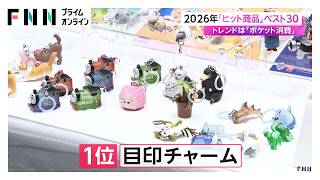
Japan's top 30 hit products of 2026 were announced on November 3rd by Nikkei Trendy, highlighting a growing trend toward "pocket consumption," as consumers facing rising prices increasingly seek affordable products that deliver satisfaction, convenience and enjoyable experiences without putting a strain on household budgets.

Japan Post began nationwide sales of New Year postcards for 2027 on November 2nd, with a commemorative ceremony held in Kyoto featuring traditional maiko apprentices and members of the popular idol group NMB48, as the number of postcards issued continued to decline for the 16th consecutive year.

Nintendo game designer Shigeru Miyamoto, the creator behind globally popular franchises including Super Mario Bros. and The Legend of Zelda, reflected on nearly 50 years of game development after being named a recipient of Japan's 2026 Order of Culture in October, revealing how Mario's original gameplay emerged from a simple idea and why he believes artificial intelligence could encourage a deeper understanding of human creativity.

Japanese flea market app operator Mercari opened an exhibition in Tokyo's Harajuku district on October 28, recreating the rooms of fictional overseas fans of Japanese anime, manga and other pop culture to highlight how ordinary secondhand goods in Japan have become treasured collectibles around the world.

Aggregated user ratings, review platforms, and community scorecards provide initial direction for Western singles seeking connections across Eastern Europe.

Tetsuya Chiba, the acclaimed manga artist best known for the popular boxing series "Ashita no Joe" and the first manga creator to receive Japan's Order of Culture, died on October 22 at a hospital in Tokyo from myelodysplastic syndrome, a disorder affecting blood cell production. He was 87.