


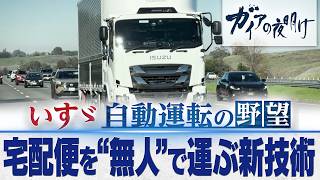
Isuzu Motors has begun full-scale development of a second-generation "AI truck" capable of making driving decisions on its own, as Japan's largest commercial vehicle maker by domestic market share aims to introduce Level 4 autonomous driving in fiscal 2027 to help address a worsening shortage of truck drivers.

Toridoll Holdings, the operator of Marugame Seimen, has introduced an artificial intelligence system trained on the thinking and speaking style of President Takaya Awata, giving employees a way to consult a virtual version of the company's founder as the restaurant group expands to around 1,200 locations in Japan and overseas.

Hitachi is stepping up the use of digital technology, autonomous robots and physical AI to address Japan's growing labor shortage, showcasing systems designed to automate factory work and maintain critical infrastructure at one of the group's largest technology exhibitions.
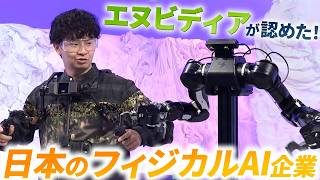
Japanese startup Enactic is developing physical AI technology that combines artificial intelligence with robotic hardware, earning recognition from Nvidia while pursuing an unusual open-development strategy that makes its technology available to the public.

SB Energy, a U.S. power infrastructure company for artificial intelligence backed by SoftBank Group, said on September 1 that it has filed for an initial public offering on the Nasdaq stock market with the U.S. Securities and Exchange Commission.

When it comes to your proxy server, you should treat it as you would any security endpoint. If your proxy credentials are leaked, someone else can use your traffic, burn your IP reputation, or even gain access to your scraping infrastructure.

Meta has opened an interactive event in Tokyo's Shibuya district that deliberately makes convenience-store shopping difficult, using the unusual setting to demonstrate how artificial intelligence could make everyday tasks easier.
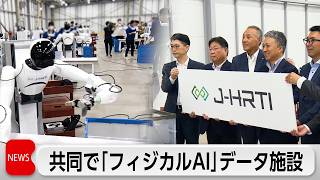
Major pharmaceutical company Tsumura and four other companies began full-scale operations on August 26 at a joint data collection center designed to develop "physical AI," technology that enables artificial intelligence to autonomously control robots in manufacturing and other workplaces.