


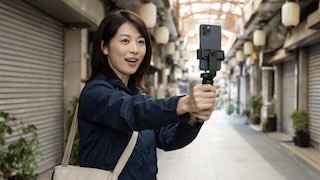
When a friend leans across a loud izakaya table to tell you something, where do your eyes go?

Japan’s character culture extends far beyond major anime studios and established toy manufacturers. Independent illustrators, small creative teams and dōjin artists also develop original characters for exhibitions, games, merchandise and personal projects.

Japan's robotics industry is stepping up development of "physical AI," combining artificial intelligence with machines capable of sensing, deciding and acting in the real world, as companies seek to turn the country's manufacturing expertise into an advantage against faster-moving rivals in the United States and China.

Suzuki plans to halve the time needed to develop new vehicles to two years by 2030, using artificial intelligence and simultaneous development processes to bring new models to market more quickly.
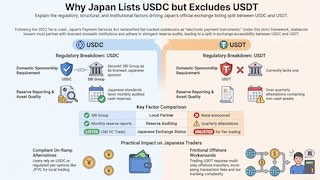
Japan has one of the strictest crypto rulebooks among major economies. A trader in Tokyo can open a licensed exchange app and buy USDC with yen. If the same trader searches for USDT, nothing comes up.

High school students in Okinawa took part in a workshop organized by Okinawa Cellular on September 22, using generative AI to develop solutions to local community problems, with a focus on improving access to a public sports facility in Uruma City.

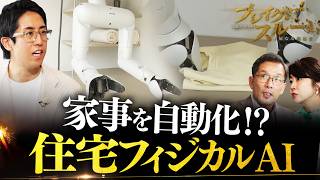
Japanese technology company MW is developing a home equipped with artificial intelligence and ceiling-mounted robots designed to automate household chores, with the goal of freeing people from the roughly four hours a day that can be spent on domestic work.