



Artificial intelligence is moving rapidly beyond a tool for answering questions and generating content, with autonomous AI agents beginning to perform complex business tasks independently, raising new questions over employment, corporate competitiveness and the skills workers will need as the United States and China intensify their race for technological leadership.

Nothing captures the spirit of a Filipino fiesta quite like a Perya Game.
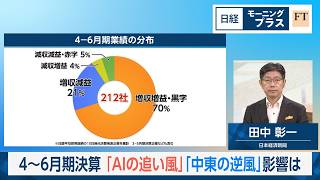
Japanese companies delivered stronger-than-expected earnings for the April-June quarter, with artificial intelligence-related demand lifting a broad range of businesses while instability in the Middle East and higher resource prices emerged as key headwinds.

Japan's currency has spent much of 2026 trading near its weakest levels against the dollar in nearly four decades, a stretch driven largely by the persistent interest-rate gap between the Bank of Japan and the U.S. Federal Reserve.

近年、デジタル決済技術の急速な発展に伴い、エンターテインメント業界におけるブロックチェーン技術の導入が進んでいる。

It’s common in the crypto market for investors to focus on Bitcoin and ignore the presence of other assets, but we know better. The market offers access to countless coins and tokens, and some of the most interesting ones are altcoins and stablecoins that play a significant role in the sector.

Japan's 2026 defense white paper has added a section on new forms of warfare involving artificial intelligence and drones, drawing lessons from Russia's invasion of Ukraine while describing China's military activities as the greatest strategic challenge Japan has ever faced.

Tokyo police have arrested an office worker on suspicion of using generative artificial intelligence to turn photographs of junior high school girls and others into obscene images and posting them on social media.