


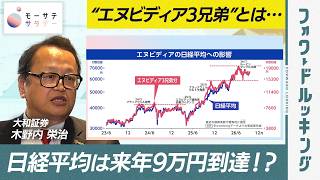
Tokyo stocks head into September 28 with the Nikkei 225 sitting at 66,364 after a five-session winning streak, as investors weigh strong artificial intelligence and semiconductor momentum against dividend-related trading, a weak yen, high bond yields and lingering uncertainty over the Bank of Japan’s next move.

A levee collapse at Lake Inbanuma in Chiba Prefecture following heavy rain from Typhoon No. 25 has devastated a koi breeding facility in Narita, leaving nearly 100,000 fish lost and causing an estimated 1 billion yen in damage to livestock and equipment.

Japan's benchmark long-term interest rate climbed to 3.115% during trading, reaching its highest level in nearly 30 years for the second consecutive day as persistent inflation concerns and expectations of further interest rate hikes fueled selling in government bonds.

Tokyo stocks rose strongly on September 25, with the Nikkei 225 closing at 66,364, up 850 points, as buying in semiconductor and artificial intelligence-related shares combined with demand for dividend-paying financial stocks ahead of the September 28 interim dividend deadline.

Prices of used condominiums in Tokyo fell for the first time in two years and four months in August, ending a 28-month streak of increases, while neighboring Chiba and Kanagawa prefectures recorded their fourth consecutive month of gains.

SoftBank Group announced on September 24 that it will issue approximately 1.76 trillion yen worth of foreign currency-denominated bonds, the largest simultaneous bond offering in its history, to finance a further $10 billion investment in OpenAI as founder Masayoshi Son accelerates his strategy of building a global business spanning artificial intelligence, semiconductors and data centers.

Tokyo stocks rose on September 24, with the Nikkei 225 climbing to 65,647, up 628 points, as investors returned from the Silver Week break with renewed appetite for artificial intelligence and semiconductor-related shares, while the broader TOPIX edged lower as value and financial stocks came under pressure.

Japan's beer industry is preparing for a major transformation as a liquor tax revision takes effect on October 1, unifying tax rates across beer, happoshu and third-category beer for the first time, with conventional beer becoming cheaper while lower-priced alternatives face tax increases.