



太陽光や風力といった再生可能エネルギー技術の成熟と発電コストの低下に伴い、新エネルギーは従来の単なるエネルギー供給源から、長期的な運用価値とキャッシュフロー創出のポテンシャルを秘めたインフラ資産へと変貌を遂げつつあります。

Tokyo stocks surged on October 5, with the Nikkei 225 closing at 69,947, up 1,637 points, after briefly recovering the 70,000 level for the first time in about three months, as weak U.S. jobs data reduced expectations for an October Federal Reserve rate hike and buying spread through artificial intelligence and semiconductor-related shares.

Japanese markets open the week of October 5 with investors focused on Prime Minister Sanae Takaichi’s policy speech, the Bank of Japan’s next rate signal, the yen’s weakness, elevated bond yields and whether the artificial intelligence-led rally in Tokyo stocks can broaden beyond a handful of semiconductor names.

Tokyo stocks fell on October 2, with the Nikkei 225 closing at 68,309, down 647 points, as investors took profits after the previous day’s sharp rally and turned cautious ahead of U.S. employment data, rising global bond yields and renewed concern over energy prices.

Pan Pacific International Holdings (PPIH), the operator of discount retail chain Don Quijote, has announced plans to acquire the Japanese operations of Toys R Us, the American-founded toy retail giant, taking over approximately 150 stores nationwide while maintaining employment for existing workers.

Japan's unemployment rate rose to 2.5% in August, up 0.1 percentage point from July, marking the first deterioration in five months, according to data released by the Ministry of Internal Affairs and Communications.

Tokyo stocks surged on October 1, with the Nikkei 225 closing at 68,957, up 2,203 points, as investors rushed back into artificial intelligence and semiconductor-related shares after Micron Technology’s strong earnings outlook reinforced confidence in global chip demand.
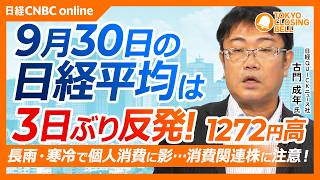
TOKYO - Tokyo stocks fell on September 29, with the Nikkei 225 closing at 65,481, down 396 points, as the September-end ex-dividend adjustment, U.S. stock weakness, higher bond yields and oil-related inflation concerns weighed on investor sentiment.