



Time magazine has named Shoko Kawata, the 36-year-old mayor of Yawata in Kyoto Prefecture, among its 100 most influential emerging figures worldwide, recognizing her decision to become Japan's first sitting mayor to take maternity leave and highlighting a political career that has taken her from municipal administration to national politics and the leadership of a city of nearly 70,000 people.
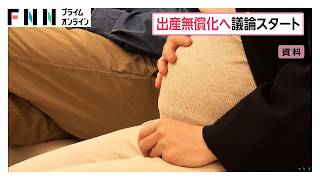
Japan has begun detailed discussions on a new system to make childbirth free of charge, with the government aiming to introduce nationwide coverage by June 2028 and the establishment of a uniform national price for deliveries emerging as the central issue.

A former Ground Self-Defense Force officer accused of entering the Chinese Embassy in Tokyo with a kitchen knife and threatening diplomatic staff admitted to trespassing and violating Japan's weapons laws at his first court hearing on October 1, but disputed whether his statements constituted criminal threats.
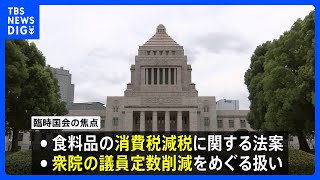
Japan's government plans to convene an extraordinary Diet session on October 5, with proposed legislation to reduce the consumption tax on food and plans to cut the number of seats in the House of Representatives expected to be among the main issues.

Prime Minister Sanae Takaichi moved on September 28 to strengthen Japan’s intelligence functions as her government prepared for an extraordinary Diet session that is expected to test its ability to pass tax relief, defend its economic policy and manage rising security pressure from China.
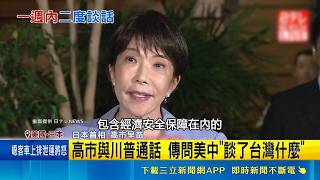
Prime Minister Sanae Takaichi is entering the autumn political season under growing pressure to show that her government can manage relations with Washington and Beijing while keeping Japan’s economic policy on a credible path after the Bank of Japan’s latest rate hike.
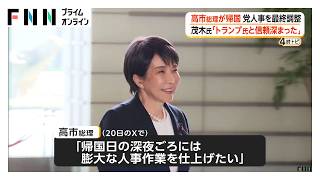
Prime Minister Sanae Takaichi returned to Japan on the morning of September 24 following talks with US President Donald Trump and immediately headed to the Prime Minister's Office to finalize key appointments within the ruling Liberal Democratic Party ahead of an extraordinary Diet session in October.
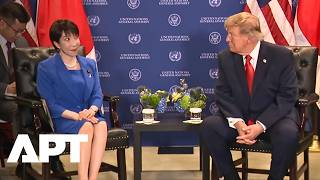
Japanese Prime Minister Sanae Takaichi and US President Donald Trump held talks at United Nations headquarters in New York in the early hours of September 23 Japan time, demonstrating the strength of the Japan-US alliance and confirming close cooperation on China ahead of an upcoming US-China summit.