



Genta Koja, a former deputy mayor of Naha who accepts the relocation of the U.S. Marine Corps Air Station Futenma to Henoko in Nago, won the Okinawa gubernatorial election on September 13, defeating incumbent Governor Denny Tamaki and bringing an end to 12 years of prefectural administrations committed to blocking the project.

Prime Minister Sanae Takaichi said the victory of Genta Koja in the Okinawa gubernatorial election reflected the wishes of prefectural residents seeking stronger economic growth, with senior ruling party officials viewing the result as a boost for her administration.
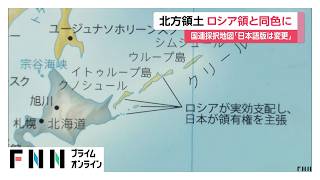
Japan has asked for changes to an Equal Earth world map that depicts the Russian-controlled Northern Territories in the same color as Russia, prompting the map's creator to say the Japanese-language version will be revised while the English version will remain unchanged.

The Fukuoka Prefectural Assembly elected a new chairman after the resignation of longtime power broker Isao Kuranouchi, while a photograph showing an opposition lawmaker striking a pose reminiscent of the movie Titanic during an overseas inspection trip has triggered a fresh political controversy.

Prime Minister Sanae Takaichi’s government faced a sharper market test on September 9 as the yen’s rapid rebound began pressuring global carry trades, turning expectations of a Bank of Japan rate hike into a political challenge for an administration still trying to balance household relief, fiscal discipline and economic security.

Prime Minister Sanae Takaichi entered the final stretch before the Bank of Japan’s September policy meeting facing a new version of the currency problem that has shaped her summer: the yen is no longer collapsing, but its sharp rebound is now forcing her government to explain how far it is prepared to tolerate higher interest rates to restore market confidence.
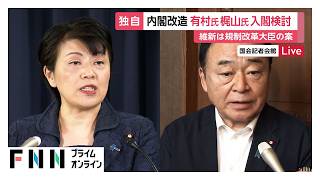
Prime Minister Sanae Takaichi is accelerating preparations for a Cabinet reshuffle that could take place as early as next week, considering ministerial posts for senior Liberal Democratic Party officials while weighing the treatment of Internal Affairs Minister Yoshimasa Hayashi and a new Cabinet member from the Japan Innovation Party.

Yokohama Mayor Takeharu Yamanaka resigned on September 7 after the city assembly unanimously approved his request to step down over allegations of workplace power harassment, setting the stage for a mayoral election in October.