


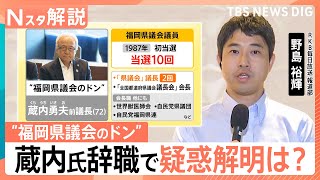
Former Fukuoka Prefectural Assembly speaker Isao Kuranouchi, long regarded as the dominant power in the chamber, resigned as an assembly member on August 25, intensifying scrutiny of allegations involving financial transactions, costly overseas inspection trips and policies backed by public funds while raising broader questions about how he accumulated such influence.

Japan's Digital Agency launched a new smartphone app on August 25 that combines identity verification and administrative procedures, allowing users to access both government and participating private-sector services through a single application.

Prime Minister Takaichi said the government will continue using subsidies to keep the nationwide average gasoline price at around 170 yen per liter, drawing on reserve funds set aside to respond to developments in the Middle East.

The Japanese government plans to reuse low-radioactivity soil generated by decontamination work after the Fukushima nuclear accident at government office complexes in Saitama and Sendai, marking the first such reuse outside Tokyo.

Japan's GX Promotion Organization has invested about 3 billion yen in two startups developing nuclear fusion and plastic recycling technologies, with combined public and private investment expected to reach around 20 billion yen as the government seeks to accelerate the commercialization of advanced decarbonization technologies.

Japan's Internal Affairs and Communications Ministry has begun considering reductions in postal services, including fewer mailboxes and less frequent deliveries, as the country's postal business continues to suffer losses following a prolonged decline in letters and New Year's cards.

Russia has conducted missile exercises around the Northern Territories, including what appears to have been a launch from one of the disputed islands, prompting Japan's foreign minister to call Russia's growing military presence there unacceptable.

Japan's government is moving toward abolishing the Cool Japan Fund, a public-private investment vehicle created to support the overseas expansion of Japanese anime, food culture and other industries, after its cumulative losses reached 54 billion yen.