News On Japan

Wakayama Launches 'River Pilgrimage Route'

Wakayama, Mar 03, 2024 (News On Japan) - Regular services for riverboat tourism on the Kumano River and its tributary, the Kitayama River, commenced Saturday, with tourists exploring the "Sacred Sites and Pilgrimage Routes in the Kii Mountain Range," a World Heritage site known for the Kumano Kodo pilgrimage routes, and is also referred to as the "river pilgrimage route."

Set in the dense forests of the Kii Mountains overlooking the Pacific Ocean, three sacred sites – Yoshino and Omine, Kumano Sanzan, Koyasan – linked by pilgrimage routes to the ancient capital cities of Nara and Kyoto, reflect the fusion of Shinto, rooted in the ancient tradition of nature worship in Japan, and Buddhism, which was introduced from China and the Korean Peninsula.

The sites and their surrounding forest landscape reflect a persistent and extraordinarily well-documented tradition of sacred mountains over 1,200 years. The area, with its abundance of streams, rivers and waterfalls, is still part of the living culture of Japan and is much visited for ritual purposes and hiking, with up to 15 million visitors annually. Each of the three sites contains shrines, some of which were founded as early as the 9th century... read more on UNESCO website: Sacred Sites and Pilgrimage Routes in the Kii Mountain Range

Source: Kyodo
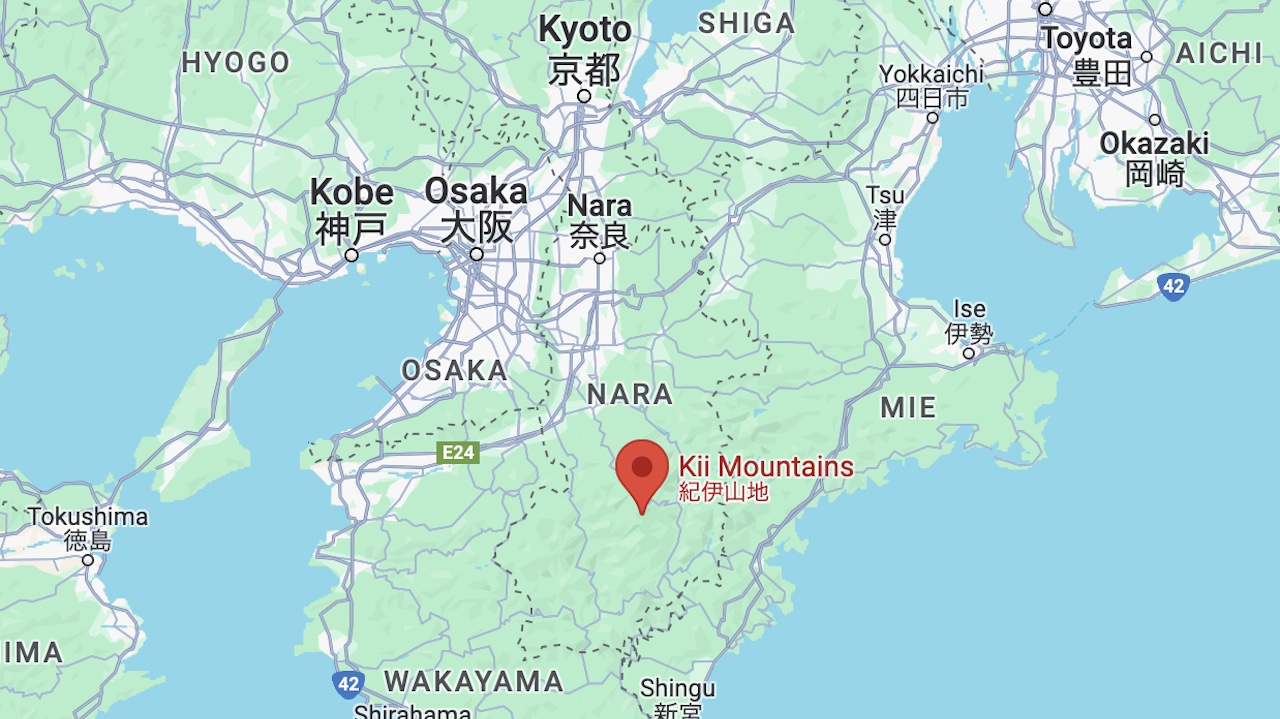
Wakayama Launches 'River Pilgrimage Route' Google Maps
News On Japan
POPULAR NEWS

Japan began applying a new numerical alcohol threshold for dangerous driving offenses on July 21, introducing a clearer standard for cases involving impaired driving that could lead to fatal accidents.

Prime Minister Sanae Takaichi's government approved its first annual basic economic and fiscal policy on Tuesday, pledging "responsible and proactive fiscal policy" and envisioning about 370 trillion yen in public- and private-sector investment in strategic industries through fiscal 2040.

Breathtaking 4K footage filmed from a helicopter offers a sweeping aerial view of Mount Fuji and its majestic surrounding landscape.

A covert network of shuttle tankers is carrying crude through the increasingly dangerous Strait of Hormuz as renewed fighting between the United States and Iran disrupts shipping and raises concerns over how Japan will secure the oil it needs.

Russian Deputy Foreign Minister Andrey Rudenko has criticized moves by Japanese and Ukrainian companies to cooperate on drone technology, warning that such ties would be regarded by Moscow as a "clear hostile act."

MEDIA CHANNELS
         

MORE Travel NEWS

Japan’s newest luxury cruise ship, Asuka III, offers passengers the experience of a high-end hotel at sea, combining private balconies, fine dining, Japanese-style bathing and personalized service on voyages around the country.

The rainy season ended in the Kanto-Koshin and Tokai regions on July 20 as strengthening high pressure brought intense heat across Japan, with temperatures forecast to reach 38 C in Kumagaya, Saitama Prefecture, and Kofu.

Severe heat spread across Japan on July 20 as a Pacific high-pressure system covered much of the country, pushing the temperature in central Tokyo to 35 degrees Celsius for the first time this year.

Nagashima Jumbo Seawater Pool in Kuwana, Mie Prefecture, was packed with visitors on Marine Day, the final day of a three-day weekend, as families sought relief from intense summer heat following the end of the rainy season in the Tokai region.

A beach where visitors can swim alongside whales has opened in Taiji, Wakayama Prefecture, drawing families and children eager to see the animals at close range.

An interactive exhibition recreating the world of Studio Ghibli will open at Osaka's ATC complex on July 18, offering visitors of all ages the chance to experience famous scenes and characters from the studio's animated films.

Heavy rain flooded railway tracks in Hokkaido, forcing the cancellation of 32 trains, including limited express services linking Sapporo and Hakodate.

Japan is likely to face increasingly long and dangerously hot summers as global temperatures continue to rise, with advanced climate simulations also pointing to more frequent torrential rain, rising seas and accelerating ice loss by the end of the century.