News On Japan

Russia Bans Entry of 13 Japanese Business Leaders

Jul 24 (News On Japan) - Russia's Foreign Ministry has announced a ban on entry for 13 top executives from Japanese companies in response to Japan's sanctions over the Ukraine invasion.

On the 23rd of July, the Russian Foreign Ministry released a list of Japanese individuals who are indefinitely prohibited from entering Russia. This list includes prominent figures such as Akio Toyoda, Chairman of Toyota Motor Corporation, and Hiroshi Mikitani, Chairman and President of Rakuten Group, among others.

The ministry stated that the ban is a part of their countermeasures against Japan's ongoing sanctions related to Russia's "special military operation" in Ukraine. However, the specific reasons for selecting these individuals were not disclosed.

In 2022, Russia also announced an indefinite entry ban on Prime Minister Kishida and other government officials.

Source: ANN

News On Japan
POPULAR NEWS

Typhoon No. 26 was passing through the southern Izu Islands on October 1, disrupting ferry and air services around Hachijojima even as authorities reported no confirmed damage, while a newly formed Typhoon No. 27 was forecast to strengthen and potentially affect the Ogasawara Islands next week.

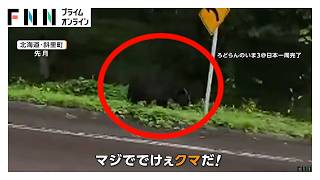
Tokyo authorities carried out the capital's first emergency shooting of a captured bear in Hachioji after an adult Asiatic black bear was found caught in a trap near a residential area about 8 kilometers from Takao Station.

Japan's total population, including foreign residents, stood at 122.97 million as of October 1, 2025, down 3.17 million from the previous census in 2020, marking only the third decline since the national census began in 1920.

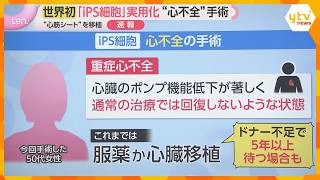
A woman in her 50s with severe heart failure underwent what was described as the world's first surgery using commercially available iPS cell-derived heart muscle sheets at an Osaka hospital on September 29, marking the first practical use of the regenerative treatment.

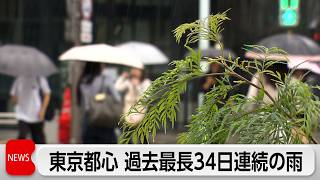
Tokyo recorded rain for a 34th consecutive day on September 29, setting a new all-time record for the capital, but the prolonged wet spell could finally end after Typhoon No. 26 passes the Izu Islands between the night of September 30 and the morning of October 1.

MEDIA CHANNELS
         

MORE Politics NEWS

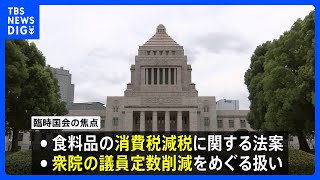
Japan's government plans to convene an extraordinary Diet session on October 5, with proposed legislation to reduce the consumption tax on food and plans to cut the number of seats in the House of Representatives expected to be among the main issues.

Prime Minister Sanae Takaichi moved on September 28 to strengthen Japan’s intelligence functions as her government prepared for an extraordinary Diet session that is expected to test its ability to pass tax relief, defend its economic policy and manage rising security pressure from China.

Prime Minister Sanae Takaichi is entering the autumn political season under growing pressure to show that her government can manage relations with Washington and Beijing while keeping Japan’s economic policy on a credible path after the Bank of Japan’s latest rate hike.

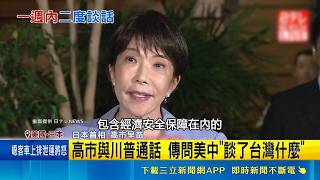
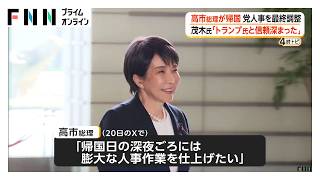
Prime Minister Sanae Takaichi returned to Japan on the morning of September 24 following talks with US President Donald Trump and immediately headed to the Prime Minister's Office to finalize key appointments within the ruling Liberal Democratic Party ahead of an extraordinary Diet session in October.

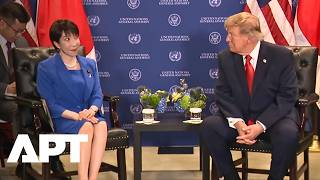
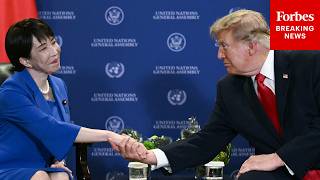
Japanese Prime Minister Sanae Takaichi and US President Donald Trump held talks at United Nations headquarters in New York in the early hours of September 23 Japan time, demonstrating the strength of the Japan-US alliance and confirming close cooperation on China ahead of an upcoming US-China summit.

Prime Minister Sanae Takaichi and U.S. President Donald Trump met in New York on September 22, confirming close cooperation on security and economic issues ahead of Trump’s planned summit with Chinese President Xi Jinping.

China held commemorative events across the country on September 18 to mark the 95th anniversary of the Mukden Incident, the 1931 railway explosion that Japan's Kwantung Army used as a pretext to seize Manchuria and which became a major turning point in the deterioration of relations between Japan and China.

Prime Minister Sanae Takaichi launched her first cabinet reshuffle since taking office, keeping core economic, foreign-policy and security ministers in place while replacing a broad group of other ministers in an attempt to stabilize her government before a difficult autumn of tax, budget, monetary policy and diplomatic battles.