News On Japan

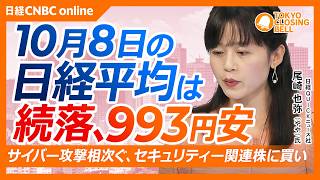
Nikkei Plummets After Opening Friday

TOKYO - The Nikkei started to plunge immediately after the market opened on Friday, August 2nd, with the drop of more than 2000 points, marking the largest decline this year.

The closing price was 35,909.

The morning closing price was 36,261, down 1,864 from the previous day, marking the first time in approximately three and a half months that it has remained in the 36,000 range.

The primary reason for this sharp decline is the growing concern over a rapid economic downturn in the United States.

Economic indicators released on the 1st all showed deterioration, raising fears of an economic slowdown, leading to a significant drop in the New York market.

Source: ANN

News On Japan
POPULAR NEWS

Severe heat is forecast across much of Japan on July 16, with temperatures reaching 37 degrees Celsius in Nagoya and Kofu and sudden thunderstorms threatening the Kanto-Koshin and Tohoku regions through late at night.

Tobu Railway has introduced walk-through facial recognition ticket gates at Ikebukuro and Kami-Itabashi stations on the Tobu Tojo Line, allowing registered commuters to enter without presenting a ticket or IC card.

A system failure at frozen food giant Nichirei has disrupted shipments and logistics, raising the risk of product shortages and temporary closures at some Kentucky Fried Chicken restaurants while also affecting major supermarket and retail chains.

Officials from the Liberal Democratic Party and the Japan Innovation Party have agreed to adopt the Katsuragawa plan for the Obama-Kyoto route of the Hokuriku Shinkansen extension from Tsuruga in Fukui Prefecture to Shin-Osaka.

Japan's environment and weather authorities have issued heatstroke alerts for a record 19 prefectures for July 15, warning that dangerous heat is expected to create an extremely high risk of heatstroke, including the first such alerts this year for the Kanto region.

MEDIA CHANNELS
         

MORE Business NEWS

Japan's core machinery orders fell 12.4% in May from the previous month to 962 billion yen, marking the first decline in two months, the Cabinet Office said on July 15.

The Ministry of Economy, Trade and Industry said it will provide up to approximately 159 billion yen in subsidies to Israel-based chipmaker Tower Semiconductor to expand production capacity at facilities in Niigata and Toyama prefectures.

Japanese companies announced new cybersecurity services, investment products and technology initiatives on July 14, while earnings releases highlighted sharply different conditions across the housing and food-import sectors.

Tokyo stocks rebounded on July 14 after an early fall of nearly 1,000 points, as investors bought back semiconductor and artificial intelligence-related shares while a recovery in South Korean equities and easing Japanese bond yields helped restore risk appetite.

Mitsubishi UFJ Financial Group became Japan's most valuable company for the first time on the Tokyo stock market on July 13, overtaking Toyota Motor as expectations grow that higher interest rates will lift bank earnings.

A debate over whether shorts belong in the workplace is spreading in Japan after Tokyo Governor Yuriko Koike encouraged metropolitan government employees to wear cooler clothing, including shorts, as part of efforts to cope with intensifying summer heat.

A 65-year-old man who spent 40 years working for a company was shocked to learn that his pension would amount to 168,000 yen a month, raising fresh concern over whether retirees in Japan can live on public pension payments alone.

Small supermarkets offering lower prices than convenience stores and closer access than full-size supermarkets are expanding rapidly across the Tokyo metropolitan area, as retailers race to meet demand from older consumers, single-person households and shoppers under pressure from rising prices.