News On Japan

電動ベッドは睡眠の質をどのように改善するのか?

Aug 21, 2024 (News On Japan) - 睡眠の質は、健康や幸福に強く影響します。自分に合ったベッドを調整することで、睡眠の質を向上させることができます。

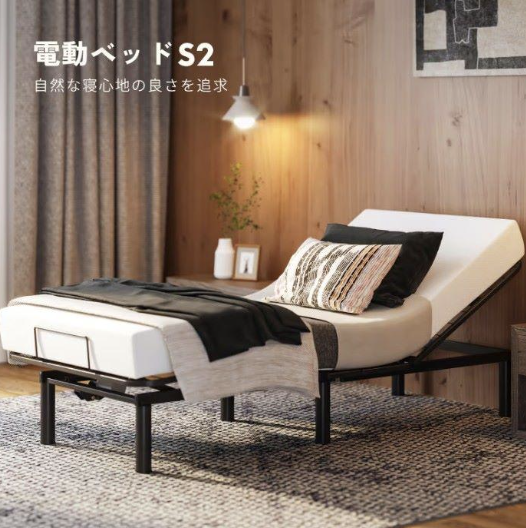
電動ベッドは適応性があり、夜通しサポートと快適さを高めるためのさまざまな選択肢を提供します。FlexiSpotの電動ベッドS2は、プレミアムエルゴノミックソリューションを提供するFlexiSpot社による、睡眠の質を向上させるためのユニークな機能を備えています。このベッドには、内蔵マッサージ機能、スムーズな調整、さまざまな硬さのレベルに変更可能な機能が搭載されており、より良い睡眠に最適です。
電動ベッドの主な特徴とは?

快適さのための調整可能なポジション

電動ベッドの素晴らしい点は、快適さに関して、さまざまな人々のニーズに合わせて異なる設定に調整できることです。FlexiSpot電動ベッドS2のスムーズな調整は、40度の脚上げ角度と60度の背もたれ上げ角度によって可能になります。各部分を個別に調整できるため、ユーザーは自分に最適な睡眠やリラックスの姿勢を見つけることができます。脚のむくみを軽減するためや、より快適に読書をするために背を立てるといった目的に合わせて、この電動ベッドの高さを調整することで、最大の快適さを得ることができます。

内蔵マッサージ機能

FlexiSpotのような一部の電動ベッドには、筋肉の緊張を和らげるためのマッサージ機能が搭載されています。穏やかな振動が筋肉の緊張とストレスを和らげ、より質の高い睡眠を得るための助けとなります。筋肉の痛みを抱えている方にとって、この機能は、自宅でのスパのような癒しを提供してくれるものです。

硬さのレベルをカスタマイズ可能

従来のベッドと異なり、電動ベッドは硬さを調整できる点が特徴です。FlexiSpot電動ベッドS2では、さまざまな種類のマットレスから選択し、硬さのレベルをカスタマイズすることができます。自分のニーズに合わせてベッドの硬さを調整することで、睡眠中に不快感や過度の圧力を感じることなく、快適に眠ることができます。

電動ベッドはどのようにして睡眠の質を向上させるのか?

圧力点と痛みを軽減

電動ベッドは、ユーザーが自分のニーズに合わせてベッドを調整できるようにすることで、圧力点と痛みを和らげるように設計されています。脚や背中など特定の部分を持ち上げて圧力を再分配することで、筋肉や関節への負担を軽減します。FlexiSpot電動ベッドS2の高弾性ウレタンマットレスは、体重を均等に分散させるのに優れており、快適な眠りと朝の目覚め時に感じるリフレッシュ感を提供します。

血行と呼吸を改善

ベッドの位置を調整できることは、血行や呼吸を改善する上でも重要な役割を果たします。脚を持ち上げることで、血行を促進し、痛みやむくみを軽減することができます。また、上半身を持ち上げることで、呼吸が楽になり、呼吸器系の問題を抱えている人々にとっても質の良い睡眠をサポートします。FlexiSpot電動ベッドS2は、脚と背中を個別に調整できるため、血行と呼吸の改善を促しつつ、自分に合った睡眠環境を作り出すことができます。

睡眠中の中断を減らす

電動ベッドは、自分に合った睡眠姿勢を素早く静かに見つけることができるため、睡眠中の中断を大幅に減らすことができます。FlexiSpot電動ベッドS2の2つの静音モーターにより、パートナーを起こすことなく、自分自身も目を覚ますことなく調整が可能です。この静かな動作とベッドの調整可能な特性が、快適な睡眠環境を提供するのに役立ちます。

結論

まとめると、FlexiSpot電動ベッドS2のような電動ベッドは、睡眠の質を向上させるために設計されたさまざまな機能を提供します。これらのベッドは、調整可能なポジション、内蔵マッサージ機能、そして調整可能な硬さレベルなどの特徴を備え、個別にサポートを提供することで、睡眠の質を大幅に向上させます。圧力点を軽減し、血行を促進し、睡眠中の中断を減らす能力を持つ電動ベッドは、睡眠体験を向上させたい人にとって、素晴らしい投資となるでしょう。FlexiSpotの電動マットレスは、健康と睡眠を向上させることにコミットしているため、その点で優れた選択肢となります。

News On Japan
POPULAR NEWS

Two typhoons moving across the Pacific southeast of Japan are expected to remain well away from the Japanese mainland, but powerful swells could bring rough seas to a wide stretch of the country's Pacific coastline throughout the three-day holiday weekend, according to forecasts updated at 3 a.m. on October 10.

A series of cyberattacks has disrupted business operations and exposed millions of customer records across Japan, with a ransomware attack on a cloud service provider affecting 495 companies and local governments nationwide, while convenience store operator Lawson has disclosed a separate breach involving more than 2.15 million personal information records.

Japan's first 360-degree projection mapping show will open at the Osaka City Museum of Fine Arts on October 10, transforming the historic building into an immersive world of light, music, and seasonal imagery, with organizers hoping the attraction will also help stimulate the city's nighttime economy.

Tokyo University of Science professor emeritus Kenzo Soai has been awarded this year's Nobel Prize in Chemistry together with French chemist Henri B. Kagan for discoveries that transformed scientists' understanding of how chemical reactions can favor one of two mirror-image forms of a molecule.

The US military suspended activities by all forces stationed in Okinawa for 48 hours from noon on October 7, an unusual measure following the arrest of a US Marine in connection with a robbery and murder case that has renewed scrutiny of crimes involving American service members.

MEDIA CHANNELS
         

MORE Sports NEWS

Japan brought the Aichi-Nagoya Asian Games to a close on October 4 with a record 83 gold medals and 269 medals overall, finishing second behind China after 16 days of competition that produced historic victories in swimming, athletics, judo, wrestling, softball and other sports, while a closing ceremony in Nagoya marked the end of the first Asian Games held in Japan in 32 years.

Japan defeated New Zealand 2-1 in the Kirin Cup final at MUFG Stadium, formerly the National Stadium, in Tokyo on October 5, securing the title in what was head coach Hajime Moriyasu's final home match before stepping down.

Japan's Emperor Naruhito, Empress Masako and their daughter Princess Aiko attended the Asian Games individual show jumping competition at the Equestrian Park in Tokyo's Setagaya Ward on October 3, with the princess showing particular interest in how horses manage to clear high obstacles.

Japan passed the 200-medal mark at the Aichi-Nagoya Asian Games on September 30, with siblings Mitsuki and Hayato Kondo winning judo gold medals within half an hour of each other, Ami Ishii and Taizo Yoshida taking wrestling titles, Sorato Anraku defending his sport climbing crown, and the men's soccer team surviving a dramatic penalty shootout to reach the final.

Japan captured the men's 4x400-meter relay gold medal in driving rain on September 29, clocking 3 minutes, 0.75 seconds to win the Asian Games title for the first time in 12 years as the athletics program came to a dramatic conclusion at Mizuho Park Athletics Stadium in Nagoya.

Ryuji Miura led a Japanese one-two finish in the men's 3,000-meter steeplechase on September 28, winning gold in a Games record of 8 minutes, 17.36 seconds as Ryoma Aoki surged late to take silver in 8:17.60 at Mizuho Park Athletics Stadium in Nagoya.

Yokozuna Onosato captured his sixth career championship at the Autumn Grand Sumo Tournament on September 27, defeating Ukrainian ozeki Aonishiki in a winner-takes-all showdown at Tokyo's Ryogoku Kokugikan to finish the 15-day competition with 12 wins and three losses, ending a year-long title drought after a dramatic final weekend.

Japan's Asian Games campaign continued on September 27 with silver medals in men's table tennis doubles and artistic swimming, while the men's baseball team faced South Korea in the gold-medal final and the athletics program entered one of its busiest evenings.