IWATE, Oct 09, 2024 (News On Japan) - A sharp drop in temperatures has marked the sudden arrival of the autumn travel season in Japan.
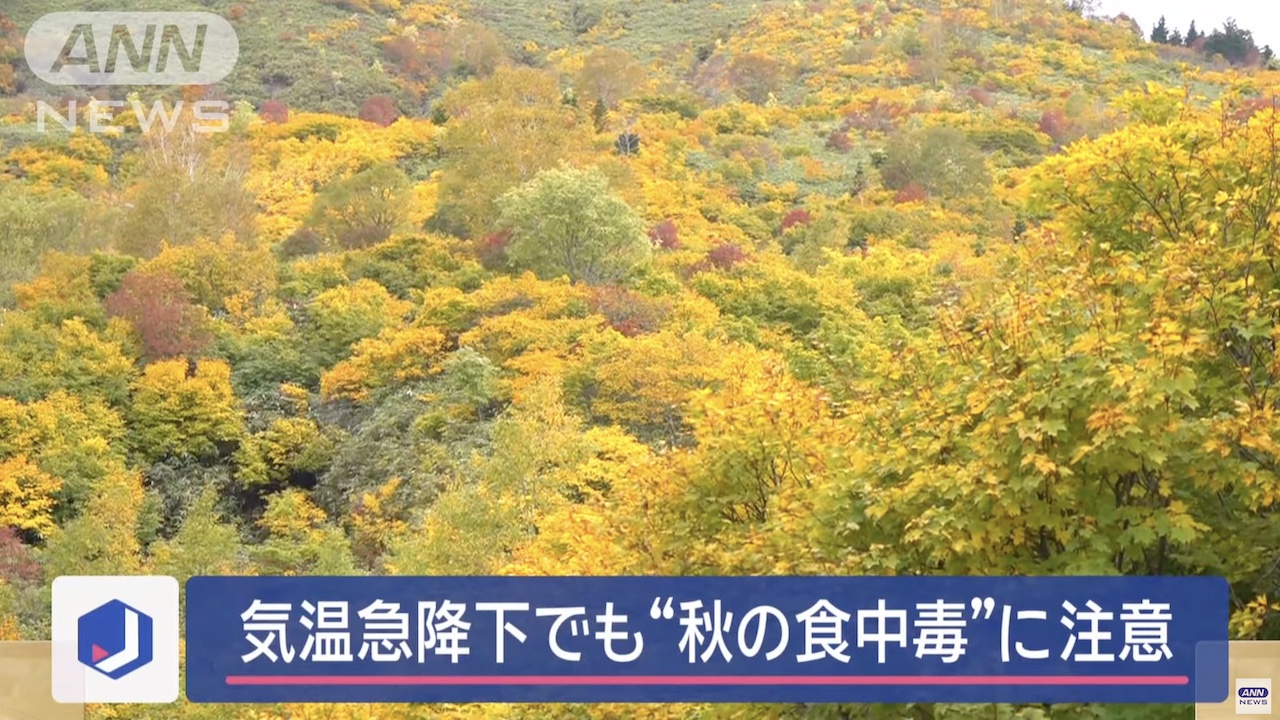
At the foot of Mount Hachimantai in Iwate Prefecture, the autumn foliage is at its peak, welcoming visitors.
Visitor from Tokyo: "The yellow, red, and green look like a carpet." "It was beautiful even on the drive here. When the sun shines, it gleams like gold."
Known for its "Dragon Eye," a stunning natural phenomenon created by snowmelt in early summer, Hachimantai offers breathtaking views from its summit. Visitor from Tokyo: "It's cooler now. Finally, summer has gone somewhere. It will get cold quickly, I suppose."
The red-tinted trees brighten up the mountains in autumn. The temperature near the summit was 5°C on October 8th, and the recent cold snap has brought the mid-mountain area to peak foliage viewing. Visitor from Tokyo: "It's like a dream, with a sense of serenity and stillness."
After a lingering summer, the nation is now hurriedly preparing for winter.
Koriyama City in Fukushima Prefecture saw summer-like temperatures on October 7th, but the temperature quickly dropped to 18°C. In the Tohoku region, it suddenly feels like late autumn. Commuter: "I was shocked when I left the house. I had a scarf in my car, so I used it."
Tokyo also saw a sudden drop in temperatures.
The temperature in central Tokyo dipped below 19°C, and just four days earlier, the city had experienced midsummer-like heat. Temperatures were nearly at midsummer levels on October 7th, and handheld fans were a necessity. However, with a temperature drop of about 10°C, the rain brought out the long sleeves and coats. Commuter: "If there's a chilly day in September, I'll wear my coat, but this is the first time this year."
Some places are welcoming the change in weather. Mitsutani Tetsuo, Factory Manager at Cleaning Posh: "This is where the winter items go. Down jackets are coming in. We've just transitioned from summer to winter clothing, with yukata being replaced by winter garments."
At a dry cleaner in Ichikawa City, Chiba Prefecture, the prolonged summer delayed the start of winter cleaning services. However, the recent chill has caused a surge in requests. Mitsutani Tetsuo, Factory Manager at Cleaning Posh: "With the forecast predicting temperatures below 30°C, customers are finally starting to prepare."
Some businesses are facing challenges.
At the famed standing soba shop Ichiyoshi in Nippori, Tokyo, customers can enjoy crispy squid tempura and hot thick soba for 570 yen. Customer who ordered hot soba: "When I drank the soup, I thought, 'Wow, it really warms me up!' Thank you for the meal! Off I go!"
However, the sudden drop in temperatures has made it tough to manage food preparation. Ichiyoshi Soba's Store Manager, Fujihei Ken: "There were still some cold soba orders yesterday, but today there are none. The staff is having a hard time because the temperature drastically affects what customers want."
Even in Shikoku, the home of Sanuki udon, winter preparations are underway. That's no surprise, as the normally mild region saw temperatures dip below 20°C for the first time this season.
The temperature drop was due to the rain.
An autumn rain front passed over the Kanto region, causing warm air from the south to swap with cooler air from the north. As the front moved further south, temperatures dropped even more during the afternoon of October 8th.
At a popular oden shop in Togoshi Ginza, the hot daikon and ginger tempura are favorites. The afternoon temperatures in central Tokyo fell further, making it the perfect season for hot oden. Customer who bought oden: "This is the first time this year. Since it's getting cold, I'm going to enjoy it with a drink."
Goto Kamaboko Store's Owner, Goto Naoko: "Oden is selling well. The amount people buy is increasing. With a temperature difference of 10°C, sales have almost doubled compared to yesterday."
Source: ANN