News On Japan

Travel and Culture: Inspiring a More Authentic Life

Apr 13 (News On Japan) - Travel is more than just a chance to escape the daily grind or check off destinations from a bucket list.
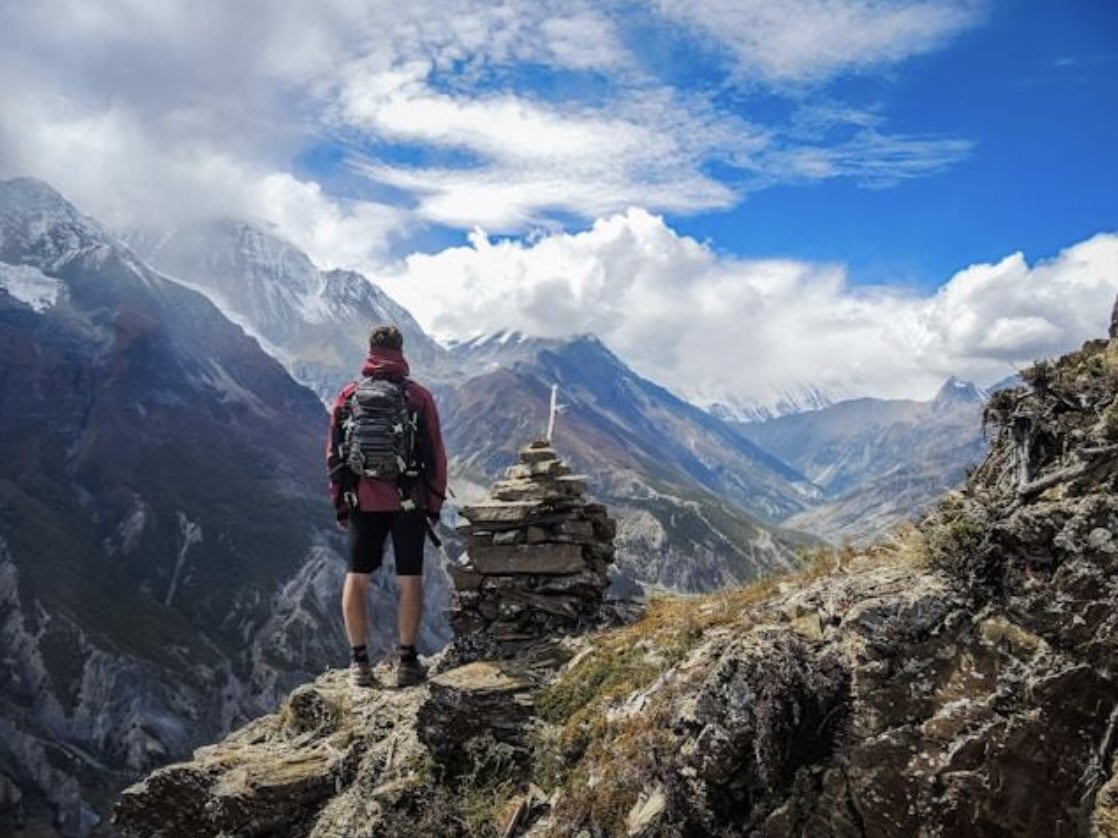
At its core, it’s an opportunity to connect with the world in ways that challenge our assumptions, broaden our perspectives, and inspire us to live more authentically. By engaging with different cultures, traditions, and ways of life, travel can open doors to a deeper understanding of ourselves and the world around us.

The Meaning Behind Authenticity

Authenticity in travel isn’t about finding the “perfect” experience or avoiding tourist spots entirely. It’s about intention—being present and open to the nuances of a place rather than rushing through it with preconceived notions. Whether you’re savoring street food in Bangkok or chatting with locals in a quiet village, authenticity comes from how you approach these moments.

These encounters—whether they’re planned or spontaneous—can inspire us to live more honestly and thoughtfully. Websites like justlivemylifemyownwaymy.com explore similar themes, offering insights into how cultural exchanges and personal connections can shape a more meaningful and grounded approach to life.

Cultural Exchange as a Mirror

One of the most profound aspects of travel is the exchange of culture. Sharing meals, participating in festivals, or simply observing daily routines can offer insights into values and traditions that may feel worlds apart from our own. But these experiences also hold up a mirror to our own lives. They prompt questions like: Why do we live the way we do? What do we value most? How can we incorporate lessons from other cultures into our own lives?

Breaking Free from Assumptions

Travel has a unique way of challenging stereotypes and assumptions. It’s easy to form opinions about places or people based on headlines or hearsay, but experiencing them firsthand often tells a different story. A bustling city might reveal pockets of tranquility; a region known for its cuisine might surprise you with its art or architecture.

When we let go of rigid expectations, we allow ourselves to be surprised—and often humbled—by the complexity and richness of other cultures. This openness doesn’t just make us better travelers; it makes us better people. It teaches us empathy, adaptability, and respect for diversity.

Living Authentically Back Home

The lessons learned through travel don’t have to end when the trip does. The perspectives gained abroad can influence how we approach life at home—whether it’s in how we interact with others, make decisions, or view our surroundings. Living authentically means carrying those lessons forward: embracing curiosity, valuing connections, and seeking meaning in everyday life. It’s not about mimicking another culture but finding ways to integrate its wisdom into your own routine.

Beyond Borders

Travel and culture have an unparalleled ability to inspire authenticity—not just in how we experience the world but in how we live our lives afterward. By approaching travel with intention and openness, we can uncover truths about ourselves and others that transcend borders and stereotypes. And by applying those insights at home, we create lives that are not only more thoughtful but also more connected to what truly matters. In this way, travel becomes less about where you go and more about who you become along the way.

News On Japan
POPULAR NEWS

Bear sightings across Japan have already climbed to nearly twice the level recorded during the same period last year, prompting entry bans in mountain areas behind Kyoto’s Ninna-ji Temple and the cancellation of hiking events in Kansai, while new research suggests that the key to reducing encounters may lie in understanding what bears eat in each region.

Copper roofing panels were stolen from several shrines in Hamamatsu, Shizuoka Prefecture, including a city-designated cultural property, in the latest case amid a nationwide surge in copper thefts targeting shrines and temples across Japan, where soaring metal prices have fueled crimes that leave historic religious buildings damaged, exposed to the elements, and facing repair costs of millions of yen.

Flames broke out on the morning of May 20th on Miyajima Island in Hiroshima Prefecture, home to one of Japan's World Heritage sites, destroying Reikado Hall near the summit of Mount Misen.

Uncertainty surrounding the situation in the Middle East is beginning to affect daily life in Japan, as concerns over crude oil supplies spread to restaurants, cleaning services and even household garbage disposal systems across the Kansai region.

A 25-year-old woman arrested as a suspected ringleader in a robbery-murder case in Tochigi Prefecture once posted cheerful dance videos on social media and was remembered by those who knew her as an energetic and outgoing young woman.

MEDIA CHANNELS
         

MORE Travel NEWS

Traditional ukai cormorant fishing, a seasonal custom signaling the arrival of early summer, began on May 20th along the Chikugo River in Asakura, Fukuoka Prefecture, following the opening of ayu sweetfish fishing on the river that flows through southern Fukuoka.

Surrounded by mountains in Kyoto Prefecture, Miyama’s Kitamura district preserves one of Japan’s most iconic rural landscapes, where rows of traditional thatched-roof houses have been maintained for generations through strong community cooperation and deeply rooted village traditions.

The Japanese government has released a set of guidelines titled "Six Rules to Avoid Encountering Bears" as bear sightings across the country continue to rise sharply compared to the same period in previous years.

Video footage appears to show graffiti being carved into bamboo at Kyoto’s Fushimi Inari Taisha, with witnesses claiming two foreign visitors were involved in the vandalism.

Dazaifu Tenmangu in Fukuoka Prefecture, which enshrines Sugawara no Michizane, the deity of learning, opened its restored main shrine to the media on May 18th after completing its first major renovation in 124 years.

A 78-year-old man who drove off a brown bear by punching it in the nose has recounted the terrifying ordeal, as an unusual surge in spring bear sightings continues across Japan, including in the Kanto region and Tokyo.

A bear sighting in a residential area of Hachioji, western Tokyo, at the end of April has heightened concerns among local residents as encounters involving bears continue to increase across Japan.

A Russian man in his 30s suffered serious injuries after being attacked by a bear while hiking on Mount Mutsuishi in Okutama Town, western Tokyo, at around 12:10 p.m. on May 17th, according to the Metropolitan Police Department and the Tokyo Fire Department.