News On Japan

Where Can Investors Turn Beyond AI Stocks as Inflation Persists?

TOKYO - As soaring valuations in AI and semiconductor stocks prompt concerns about concentration risk, market analysts are increasingly pointing to energy shares as a potential alternative investment theme in an inflationary environment.

The issue was discussed on TV Tokyo's business program Morningsat, where analysts examined whether investors have become overly dependent on AI-related stocks after a year of extraordinary gains driven by semiconductor manufacturers and data center operators.

The debate comes as major stock markets continue to be dominated by a handful of technology sectors. In both Japan and the United States, semiconductor and AI-related companies have accounted for a large share of market gains, pushing stock indexes to record or near-record levels.

Analysts noted that while enthusiasm surrounding artificial intelligence remains strong, rising inflation and interest rate risks could present challenges for growth-oriented sectors. Semiconductor and technology stocks have historically benefited from lower interest rates, but higher borrowing costs can weigh on valuations by reducing the attractiveness of future earnings growth.

Several factors continue to support inflationary pressures. Crude oil prices remain elevated, contributing to higher transportation and production costs across the economy. Strong consumer spending and rising asset values have also helped sustain demand, raising concerns that inflation may prove more persistent than many investors expect.

If inflation remains stubborn, central banks may be forced to keep monetary policy tighter for longer, increasing the likelihood of higher interest rates.

Against this backdrop, analysts highlighted energy stocks as one of the sectors most closely linked to inflation. Historical analysis comparing stock performance with consumer price inflation over the past two decades showed that energy companies have tended to perform well during periods of rising prices, largely because higher oil and fuel costs often boost their revenues and profits.

By contrast, consumer-related industries such as retail, entertainment, household products, and payment services have generally struggled when inflation accelerates, as higher living costs can reduce discretionary spending.

The program also highlighted how heavily market gains have become concentrated in AI-related themes. An examination of the top-performing stocks in the S&P 500 revealed that many of the biggest winners were directly involved in semiconductors, artificial intelligence infrastructure, or data center development.

Analysts cautioned that while AI remains a powerful long-term growth story, investors seeking diversification may need to consider sectors that benefit from different economic conditions.

With inflation still a major concern and energy prices remaining high, energy-related companies are emerging as one of the few sectors offering an alternative investment narrative outside the technology-driven rally.

Source: テレ東BIZ

News On Japan
POPULAR NEWS

Flooding continued in parts of Chiba Prefecture three days after record-breaking torrential rain, with nine people confirmed dead, one man still missing and authorities estimating that around 1,000 vehicles may have been abandoned across the prefecture.

More than 1,200 vehicles are believed to have been left stranded on roads across Chiba Prefecture after torrential rain caused widespread flooding, with authorities confirming eight deaths and investigating a drainage pump failure at an underpass where a man died.

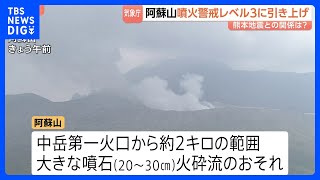
Japan's weather agency raised the volcanic alert level for Mount Aso in Kumamoto Prefecture from Level 2 to Level 3 on August 14 after volcanic tremors strengthened and gas emissions increased sharply, warning people to stay away from areas within about 2 kilometers of the Nakadake No. 1 crater.

Typhoon No. 17 was moving east near Minamitorishima on August 14 and is expected to continue weakening before becoming a tropical depression by August 16.

Google opened its first flagship store in Japan in Tokyo's Omotesando district at 2 p.m. on August 13, marking the company's first flagship retail location outside the United States.

MEDIA CHANNELS
         

MORE Business NEWS

Commercial and industrial damage from the Kumamoto earthquake has already reached 117.6 billion yen, while continuing water outages are preventing many businesses from reopening.

An Okinawa dairy farming family is working to protect local milk production as soaring feed and utility costs, extreme summer heat and reduced demand during the school vacation place growing pressure on an industry that has seen the number of farms fall sharply over the past four decades.

Tokyo stocks rose on August 14, with the Nikkei 225 closing at 68,714, up 0.59%, as investors continued buying semiconductor, artificial intelligence and earnings-backed shares, while the broader TOPIX gained 0.51% to 4,197 and reached another record high.

Rakuten Securities held an event for parents and children at the Tokyo Stock Exchange on August 13 to teach families about building assets ahead of the launch of the new Junior NISA program in January 2027.

Google opened its first flagship store in Japan in Tokyo's Omotesando district at 2 p.m. on August 13, marking the company's first flagship retail location outside the United States.

Tokyo stocks rose on August 13, with the Nikkei 225 advancing to 68,601.21, up 1.6%, as semiconductor and artificial intelligence-related shares followed Wall Street higher, while the broader TOPIX climbed to a record high despite continued concern over wholesale inflation, the yen and Bank of Japan rate-hike expectations.

Hiroshi Okuda, a former president of Toyota Motor who helped lay the foundation for the automaker's emergence as one of the world's leading manufacturers, died of old age on August 8 at the age of 93.

Tokyo stocks ended nearly unchanged on August 12, with the Nikkei 225 at 66,988.82, as gains in energy and financial shares offset weakness in electronics and pharmaceuticals while investors weighed higher crude oil prices, a weaker yen and growing expectations for another Bank of Japan rate increase.