For users of online sports platforms, it's vital to feel confident that their personal data and funds are protected, and to have access to premium support, a wide range of entertainment options, and regional payment methods.
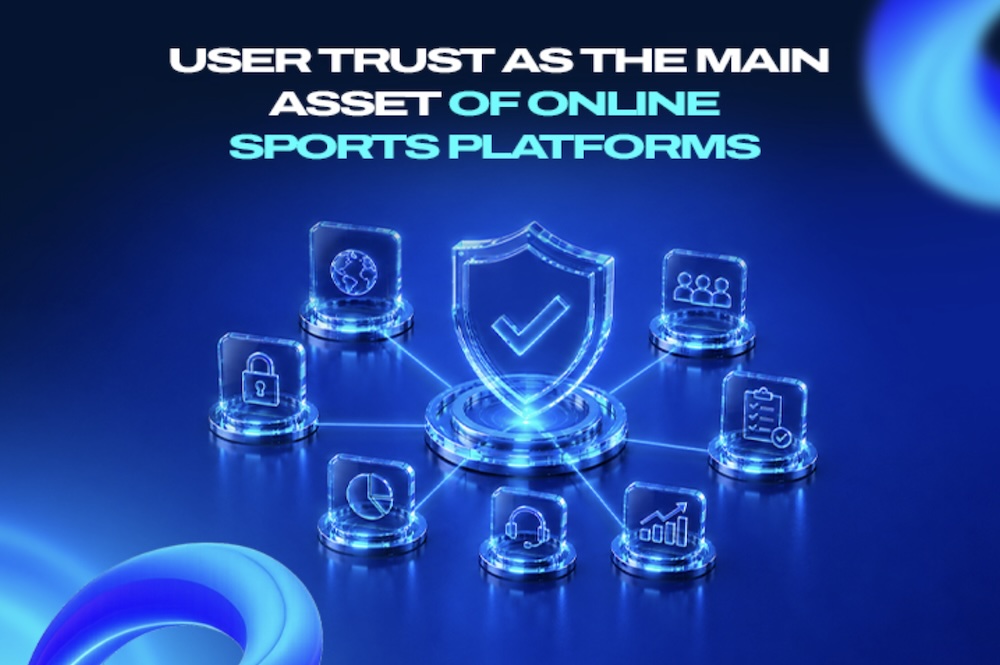
A mix of the best user experience and high security standards can only be offered by international companies that combine global experience with local flexibility in their operations. For them, audience trust is the number one priority. The reason is simple: it is the foundation of loyal, long-term user relationships and ensures high engagement in the game.
Control and Transparency – Foundation of Safe Gaming
Establishing a system to oversee sports platforms marked an important stage in the development of the online entertainment industry. International bodies and local regulators have taken responsibility for protecting users’ financial assets and personal information. They monitor compliance with players’ rights and the execution of financial transaction conditions and oversee the activities of sports platforms.
If a platform meets high security standards, it receives a special document, a license to operate in a specific region. Having this authorization also confirms compliance with laws and tax obligations. Users trust the transparency of gameplay and the financial reliability of supervised platforms, so these platforms earn the highest level of audience trust.
Regional Features of Regulation of Sports Online Platforms
Regulatory frameworks for online sports entertainment services vary by region. The industry is still working toward a unified control system. Europe has made the most progress in addressing this issue. This is where the first system for monitoring the activities of international companies that provide online sports entertainment services was established.
In Europe, there is a clear system for obtaining a work license and transparent rules for all industry participants, which regulate key aspects of sports platform operations, including advertising campaigns. The region is also a global leader in implementing KYC and AML checks, which are essential for ensuring safe gameplay. However, there is still no unified European control system.
Player protection levels vary significantly depending on jurisdiction. The safest countries are considered to be those in Western and Southern Europe, including Ireland and Spain.
Latin America has provided important experience in supervising online entertainment platforms. It is one of the fastest-growing regions with a highly active audience. By integrating artificial intelligence into its monitoring system, Brazil has become a global leader in player safety. Other countries in the region are also adopting this successful approach, including Panama, Peru, and Guatemala.
In Africa, a two-tier system for overseeing online sports platforms has developed. Kenya and Nigeria have built modern infrastructure with a clear legal framework. Supervisory bodies in these countries actively cooperate with players and international companies, creating a comfortable environment for all industry participants. Other countries on the continent are still in the development stage, updating laws and looking for ways to monitor cash transactions. Mobile payments through agents are very popular in the region, which makes it more difficult to implement player protection measures.
The African experience is notable for its communication and for building a culture of responsible gaming through education and awareness rather than bans and restrictions.
Why Players Choose Regulated Sports Platforms
Cooperation with such companies gives users confidence in the protection of their personal data and financial assets. At the same time, sports online platforms licensed by the relevant authority offer access to the most reliable international and local payment services. Users can freely use bank cards, e-wallets, or any other convenient payment method.
Supervised platforms are under constant financial monitoring by relevant authorities, and their operating licenses serve as proof of the service’s financial reliability. Users do not need to worry about payouts and can enjoy the game with peace of mind.
The international company 1xBet has become one of the first to make regulated operations a key part of its development strategy. The brand has already obtained licenses in 35 countries, and its platform combines high safety standards with an optimal user experience.
Transparent licensing with clear conditions is the future of sports online platforms. Companies that make obtaining licenses their priority will always stay one step ahead of their competitors.