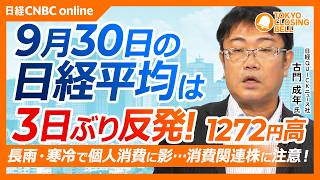
TOKYO - Tokyo stocks rebounded sharply on July 21 as investors bought back semiconductor and artificial intelligence-related shares after last week’s steep selloff, while attention shifted to upcoming U.S. technology earnings and the government’s new economic policy roadmap.
The Nikkei 225 Stock Average closed at 66,232.19, up 3.26%, as Tokyo reopened after the Marine Day holiday. The broader TOPIX climbed 2.44% to 4,014.95, recovering above the 4,000 level after the previous week’s technology-led rout.
The rebound followed a 6.4% weekly fall in the Nikkei, its steepest decline in more than a year. Bargain hunters returned to shares that had been heavily sold during the AI correction, although market participants remained cautious about calling a durable bottom after the Nikkei entered correction territory on July 17.
Nikkei CNBC’s market framing centered on a technical rebound in the AI and semiconductor trade. Tokyo followed gains in South Korea’s technology-heavy Kospi, reinforcing the recent pattern in which Japanese and South Korean chip shares move closely together. Overseas investors continued to treat Kioxia, Tokyo Electron, Advantest and other Japanese technology names as part of the same regional AI and memory-chip trade as Samsung Electronics and SK Hynix.
Kioxia was the standout mover, rising 17.18% after plunging in the previous session. The memory-chip maker has become one of Tokyo’s most important gauges of sentiment toward AI servers, data centers and high-bandwidth memory. Its rebound helped ease concern that the recent selloff would deepen into a broader unwinding of Japan’s technology rally.
Ibiden rose 11.03%, while Socionext gained 9.11%, reflecting renewed buying in companies linked to AI servers, chip packaging, electronic components and advanced computing. Tokyo Electron, Advantest and other semiconductor-related shares were also supported as investors looked ahead to U.S. technology earnings and guidance from major AI-linked companies.
The recovery was broad, with 187 of the Nikkei’s 225 components advancing. Still, not all major shares participated. Nintendo fell 4.13%, Kikkoman dropped 2.49%, and CyberAgent declined 2.36%, showing that investors remained selective even during the wider rebound.
The yen remained near historically weak levels, trading around the 162-yen range against the dollar. The currency’s weakness continues to support exporters’ overseas earnings, but it also raises import costs for fuel, food and raw materials, keeping pressure on households and smaller companies.
Japanese government bonds remained a central market concern after the recent rise in yields to multi-decade highs. Investors are watching whether the 10-year JGB yield moves back toward the politically sensitive 3% level, especially as the government pursues a growth strategy built around large-scale investment and possible household-support measures.
The government’s new economic policy roadmap remained in focus. Prime Minister Sanae Takaichi’s administration is targeting more than 370 trillion yen in combined public and private investment through fiscal 2040, with an emphasis on semiconductors, artificial intelligence, energy security, defense, space, shipbuilding and other strategic sectors.
The plan reflects a continued push for growth through industrial policy, private-sector investment and stronger supply-chain resilience. However, bond investors remain cautious because higher spending could add to concerns about Japan’s fiscal position unless it is matched by stronger productivity, wage growth and tax revenue.
The roadmap also includes revised language intended to reassure markets about the Bank of Japan’s independence. Earlier draft wording had raised concern that the government might try to pressure the BOJ to delay further rate increases in order to support growth and limit borrowing costs.
The final version emphasizes the BOJ’s legal mandate to pursue price stability, but skepticism remains among investors. Markets are watching whether the central bank can continue normalizing policy while the government seeks to support investment, wages and household consumption.
For households, the policy debate is becoming increasingly important. TV Tokyo’s business coverage has continued to focus on inflation, wages, energy costs and savings, with consumers facing higher food and fuel prices even as nominal wage growth improves. A weak yen and elevated oil prices continue to raise the cost of imported goods.
The government is also expected to decide whether to reduce the consumption tax on food. A temporary cut could ease pressure on household budgets, but it would raise questions about lost revenue and Japan’s already large public-debt burden.
The global backdrop remained focused on technology earnings and geopolitical risk. Investors are awaiting results from major U.S. technology companies, including Alphabet, Tesla and Intel, for signs that AI-related capital spending remains strong enough to justify valuations after the recent correction.
Oil prices also remained a risk for Japan because of renewed tensions around the Strait of Hormuz. Higher crude prices would add to inflation pressure, worsen Japan’s import bill and squeeze fuel-sensitive industries such as airlines, utilities, logistics and chemicals.
The main points to watch next are whether the Nikkei can hold above 66,000, whether Kioxia and other semiconductor shares can extend their rebound, and whether South Korean chip shares continue to stabilize.
Investors will also monitor the yen around 162 to the dollar, the 10-year JGB yield’s distance from 3%, oil prices linked to the Middle East, and guidance from U.S. technology earnings. For Tokyo markets, July 21 showed that bargain buyers are still willing to return to AI shares, but confidence remains fragile after last week’s correction.