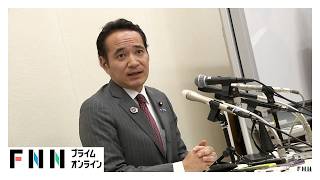
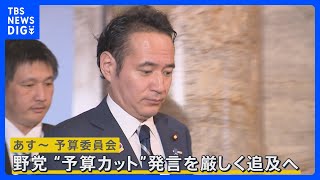
North Carolina - Finance Minister Satsuki Katayama said on September 3 that the economic policy of Prime Minister Sanae Takaichi's government should not be equated with conventional reflationary policy, after returning from the Group of 20 finance ministers and central bank governors meeting in the United States and briefing the prime minister on the talks.
Katayama said she explained to Takaichi how Japan's strategy of combining fiscal sustainability with an aggressive growth and investment agenda had been received by senior international officials, including U.S. Treasury Secretary Scott Bessent, leaders of the International Monetary Fund and British officials.
She said Japan had presented its policy framework at meetings surrounding the G20, including discussions involving Group of Seven countries, and that the approach had been received favorably.
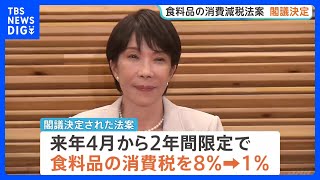
Katayama said she had also explained Japan's plan to shift some support that had previously been provided through supplementary budgets into a more visible and institutionalized form through reductions in the consumption tax. According to Katayama, a senior international financial official responded that such an approach "makes sense."
She declined to identify the official without permission but said the comment came from one of the senior U.S. financial authorities involved in the discussions.
Katayama said Takaichi was pleased by the international response and by signs of close cooperation among Japan, the United States and countries including Britain during the G20 meetings.
She also referred to the expression "Takaichinomics," saying Bessent had used the term while discussing expectations for the government's economic program.
Katayama said Abenomics had played a major role in pulling Japan out of deflation, but argued that Japan is no longer in the same economic environment and now requires a new policy framework combining budget reform and a growth strategy.
She rejected suggestions that foreign officials had placed specific demands on Japan during the meetings.
"I attended all of the meetings and spoke at them, and there were no particular requests," Katayama said, adding that Takaichi was reassured by that explanation.
The finance minister also briefed Takaichi on the government's budget request process and said she would provide detailed figures after the Cabinet meeting on September 4.
Katayama said Takaichi instructed her to continue reviewing and restructuring government subsidies and funds as part of efforts to improve the efficiency of public spending.
She said the government remained committed to pursuing fiscal sustainability while also implementing growth and investment strategies designed to strengthen the economy.
Asked about reports that Bessent had questioned why the Bank of Japan was not being granted sufficient independence during a previous visit to Japan, Katayama denied that such an exchange had taken place.
She said Bessent had attended an informal dinner and later held formal bilateral talks with Japanese officials before meeting the prime minister, but said he did not raise such a question in any of those settings.
Asked separately about reports that Bessent had urged Japan to abandon reflationary policy, Katayama said the characterization did not match her experience of discussions with the U.S. Treasury secretary.
"I have been having various discussions with Secretary Bessent for nearly a year, but I have never been told in that way that Japan absolutely must do something or must not do something," she said.
Katayama added that the policy commonly described as reflationary economics is not the same as the economic strategy that Takaichi has advocated or the framework now set out by the government.
She said she believed Takaichi herself did not regard the administration's policy as a continuation of conventional reflationary policy.
Katayama also addressed financial market stability following her first meeting with Bessent since coordinated intervention by Japan and the United States in the foreign exchange market.
She said the two sides agreed that an orderly yen exchange rate is essential to the stability of global financial markets.
Katayama said Japan's policies, including coordinated intervention, had been explained to other countries and had gained understanding.
Asked about recent movements in long-term interest rates, including yields exceeding 3.3%, she said officials did not discuss specific day-to-day market movements.
She said, however, that the government continued to monitor financial markets with a high degree of vigilance and that its position had not changed since the coordinated intervention.
Katayama added that maintaining that stance also reflected the prime minister's position.
Source: TBS