News On Japan

Lake Energy:発電から収益分配まで。再生可能エネルギーを活用し、1日1,000ドルを稼ぐ

太陽光や風力といった再生可能エネルギー技術の成熟と発電コストの低下に伴い、新エネルギーは従来の単なるエネルギー供給源から、長期的な運用価値とキャッシュフロー創出のポテンシャルを秘めたインフラ資産へと変貌を遂げつつあります。

Lake Energy:発電から収益分配まで。再生可能エネルギーを活用し、1日1,000ドルを稼ぐ

発電から資産のデジタル化、そして収益分配に至るまで、Lake Energyは再生可能エネルギー、実物資産、そしてデジタル金融を融合させた、新たなキャッシュフロー・チェーンを構築しています。

再生可能エネルギーの新たなトレンドを牽引する

人工知能(AI)、データセンター、電気自動車(EV)、先端製造業、そして社会の電化の進展に伴い、電力需要はかつてないほど増大しています。国際エネルギー機関(IEA)の予測によれば、2030年には再生可能エネルギーが世界の電力供給の約43%を担う見通しであり、現在、世界の新規電力設備容量の90%以上がグリーンエネルギーによって占められています。これはまさに、新エネルギー時代の到来を意味しています。

こうした潮流の中、Lake Energyは2020年にシンガポールで設立されました。同社は世界的な新エネルギーインフラの開発・建設・運営に注力しており、長年にわたる事業展開を通じて、アジア、米州、アフリカなどの地域で数多くの新エネルギー発電プロジェクトを立ち上げ、参画してきました。その事業領域は、太陽光発電、風力発電、水力発電など多岐にわたります。

Lake Energyが選ばれる理由

A. シンプルかつ効率的

ユーザーは、複雑な新エネルギー設備を自ら購入、設置、あるいは保守・管理する必要がありません。デジタルプラットフォームを通じて、多種多様なグリーンエネルギー・プロジェクトの情報を把握し、それらに参加することが可能です。

B. 包括的なデジタル管理

Lake Energyプラットフォームを利用すれば、プロジェクト情報、ステータス、参加履歴、運用実績などを一元的に確認できます。これにより、新エネルギー・プロジェクトへの参加や管理がより手軽になります。

C. 24時間365日のサービス提供

Lake Energyは24時間体制のカスタマーサポートを提供しており、アカウント、プロジェクト、プラットフォームの利用に関するあらゆる質問や課題について、世界中のユーザーをサポートします。

D. 多様なデジタル資産・通貨への対応

Lake Energyはグリーンエネルギーとデジタル金融を融合させています。地域やプロジェクトの特性に応じ、BTC、ETH、XRP、USDT、USDCなどのデジタル資産を含む、多様な参加形態に対応しています。

Lake Energyを通じてグリーンエネルギー・プロジェクトに参加する方法

A. アカウント登録

Lake Energyでアカウントを作成すると、電気代に充当できる10ドルのボーナスを獲得できます。

B. 自分に合ったグリーンエネルギープロジェクトを選択

C. 収益の獲得

プロジェクトから生じた収益は、期日通りにアカウントへ入金され、いつでも受け取り可能です。

D. プロジェクトの可視化

再生可能エネルギーの状況を、より透明性の高いデジタル形式で表示します。
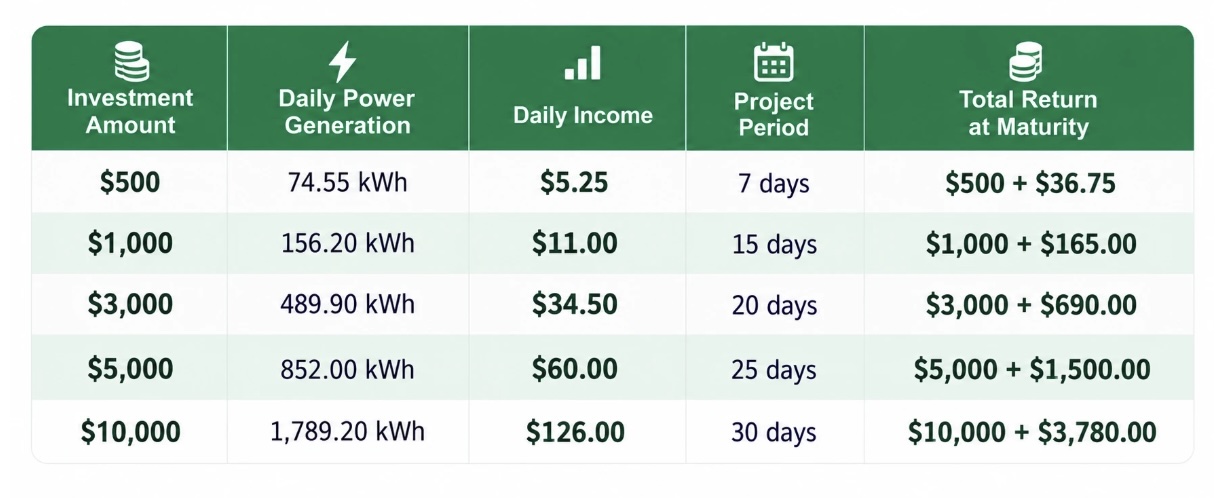
デジタル技術を活用して統合を行います。物理的なエネルギー資産をより透明性の高い形で可視化することで、投資家はプロジェクトの状況、発電量、資産価値、および運用に関する情報を、より直接的に把握できるようになります。

エネルギーインフラ+キャッシュフロー+デジタル

資産

太陽光発電所が電力を生み出し、その電力が市場で販売されて事業収益となります。Lake Energyは、物理的な資産とデジタル上の参加者をつなぐ架け橋を簡素化します。

「1日1,000ドル」という数字は、単に投資商品の収益額を誇張したものではなく、資産規模に応じたキャッシュフローに関するものです。

エネルギーは「コストセンター」から「キャッシュフローを生み出す資産」へと転換しつつある。

「1kWhの電力」を「一つの資産」へ。「一つの発電所」を「安定したキャッシュフロー」へ。

Lake Energyは、グリーンエネルギーの建設および運営におけるグローバルリーダーです。当社は、グリーンエネルギーとデジタル金融を融合させた革新的なプロジェクトを先駆けて展開し、世界中のお客様が地球環境保全の取り組みに平等かつ自由に参画し、低炭素社会の実現に貢献できる機会を提供しています。

詳細はこちらをご覧ください: https://lakeenergy.com/

メディアお問い合わせ先
Lake Energy

公式メールアドレス
info@lakeenergy.com

News On Japan
POPULAR NEWS

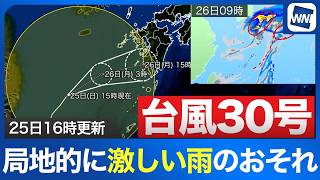
Typhoon No. 30 was rapidly weakening over the East China Sea at 4 p.m. on October 25 and is expected to become an extratropical cyclone by 3 a.m. on October 26, according to the latest weather forecast, although its merger with an autumn rain front could trigger prolonged heavy rainfall across western and eastern Japan, particularly along the Pacific coast and around the Izu Islands.

Typhoon No. 30 is expected to cause widespread travel disruption across western Japan on Monday, October 26, with railway suspensions, flight delays, ferry cancellations and possible expressway closures threatening the start of the working week. Forecasters are warning that heavy rainfall could affect transportation across a broad area even after the typhoon weakens into an extratropical low-pressure system early Monday.

Japanese drone manufacturer Terra Drone has delivered interceptor drones to Ukraine's Ministry of Defense for the first time, prompting Russia to threaten retaliatory measures on October 21, as Japan considers expanding domestic drone production and strengthening its coastal defenses through thousands of unmanned aircraft.

A critical security flaw discovered in PHP, a programming language used by an estimated 70% of the world's web systems, has triggered widespread disruptions across Japan since October 21, forcing banks, restaurant chains, government agencies and other businesses to suspend online services as a precaution against potential cyberattacks.

A growing wave of cyberattacks across Japan has raised concerns over the possible use of Chinese-developed artificial intelligence in hacking operations, with personal information belonging to tens of thousands of police employees potentially exposed and major companies forced to suspend online services, while cybersecurity experts warn that slow decision-making within Japanese organizations is allowing damage to spread.

MEDIA CHANNELS
         

MORE Business NEWS

Japan's financial markets suffered another sharp setback on October 22 as heavy selling in semiconductor and artificial intelligence-related stocks sent the Nikkei 225 down 1,713.40 points, or 2.65%, to 62,907.84, its lowest closing level since July 30.

Japan's trade deficit nearly doubled in the first half of fiscal 2026 to 2.8184 trillion yen, driven largely by surging crude oil prices following turmoil in the Middle East, while the value of oil imports from the United States increased nearly ninefold as Japan sought alternative sources of supply.

A growing wave of cyberattacks across Japan has raised concerns over the possible use of Chinese-developed artificial intelligence in hacking operations, with personal information belonging to tens of thousands of police employees potentially exposed and major companies forced to suspend online services, while cybersecurity experts warn that slow decision-making within Japanese organizations is allowing damage to spread.

Tokyo stocks rebounded on October 21, with the Nikkei 225 closing 545.82 points higher at 64,621.24, a gain of 0.85%, as stronger U.S. equities, renewed buying in technology shares and encouraging Japanese export figures helped the market recover from two consecutive sessions of losses.

Japanese banks and securities firms are moving to stop using facial photographs from driver's licenses to verify customers opening accounts online, following a series of personal information leaks that have raised concerns about fraudulent account applications.

Japan's Nikkei 225 Stock Average closed at 64,075.42 on October 20th, falling 841.28 points, or 1.30%, as renewed selling in semiconductor and artificial intelligence-related shares, rising oil prices and concerns over inflation pushed Tokyo stocks lower for a second consecutive session.

Nearly one in three large companies in Japan have experienced a data leak or a suspected breach, according to a survey released by Teikoku Databank on October 19th, highlighting growing concerns over corporate information security as unauthorized access incidents continue to affect businesses across the country.

Japan's Nikkei Stock Average closed 407.59 points lower at 64,916.70 on October 19, a decline of 0.62%, recovering from an intraday plunge of more than 1,400 points as concerns over artificial intelligence investment weighed on semiconductor and technology shares, while buying in banks, utilities and other domestic sectors helped the broader TOPIX index finish slightly higher.