News On Japan

Mizuho Bank to Stop Using Driver's License Photos

TOKYO - Japanese banks and securities firms are moving to stop using facial photographs from driver's licenses to verify customers opening accounts online, following a series of personal information leaks that have raised concerns about fraudulent account applications.

Until now, customers opening accounts online have typically been required to photograph their driver's license and take a picture of their own face, allowing financial institutions to compare the two images and confirm their identity.

However, this verification method will be prohibited from April 2027 under new rules requiring identity checks through the reading of IC chips embedded in My Number cards or driver's licenses.

The transition is now being accelerated following a series of personal data leaks since September, including incidents involving images of driver's licenses, prompting financial institutions to strengthen their safeguards against identity fraud.

Mizuho Bank discontinued the use of driver's license facial photographs for online account verification on October 19th, ahead of the regulatory deadline.

Aozora Bank has also decided to end the practice on October 28th, joining the growing number of financial institutions adopting more secure identity verification methods.

The changes are intended to prevent criminals from using stolen personal information and identification images to open fraudulent bank and securities accounts, as Japan's financial sector prepares for tighter identity verification requirements next year.

Source: TBS

News On Japan
POPULAR NEWS

Odakyu Electric Railway unveiled images of its next-generation Romancecar limited express train on November 10, revealing a striking blue-green design featuring enormous circular windows that will allow passengers to enjoy panoramic views from ceiling to floor when the new trains enter service in March 2029.

Hokkaido is facing another day of heavy snow, freezing temperatures and strong winds on Tuesday, November 10, as midwinter-like cold air sweeps across northern Japan, with snowfall of up to 30 centimeters forecast in some areas and blizzard conditions threatening to disrupt transportation. As of 6 a.m. on November 10, snow advisories remained in effect for parts of Hokkaido, including Sapporo, where a heavy snow advisory was scheduled to remain in place until 9 a.m.

As of 3 a.m. on November 10, Typhoon No. 32 was moving northeast over waters south of Japan, with the powerful storm expected to approach the Ogasawara Islands late Tuesday through Wednesday morning, November 11, bringing strong winds, heavy rain and waves exceeding 6 meters in some areas.

A male bear weighing approximately 270 kilograms was killed by hunters in Iwamizawa, Hokkaido, on November 8th after being caught in a box trap, with local hunters suspecting it was responsible for a series of attacks on a nearby poultry farm that left more than 100 chickens and ducks dead since August.

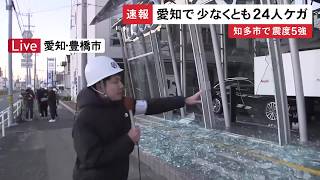
A magnitude 5.7 earthquake struck central Japan early on November 8th, registering an upper 5 on Japan's seismic intensity scale in Aichi Prefecture and injuring at least 21 people, while damaging buildings and disrupting Shinkansen and conventional railway services across the region.

MEDIA CHANNELS
         

MORE Business NEWS

Japan's tofu industry is facing mounting financial pressure, with 39 producers going bankrupt, suspending or closing operations, or dissolving their businesses between January and October 2026, as rising soybean prices and sluggish sales leave nearly 40% of manufacturers operating at a loss.

Household spending in Japan fell 6.8% in September from a year earlier, marking the 10th consecutive month of decline and the sharpest drop since September 2020, when consumer activity was severely disrupted by the COVID-19 pandemic, according to government data released on November 10.

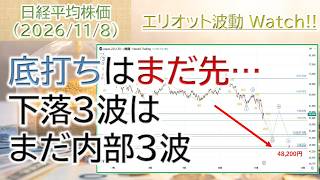
Japan's Nikkei 225 Stock Average closed at 58,775.50 on Monday, November 9, 2026, at 3:30 p.m. Tokyo time, rising 1,340.73 points, or 2.33%, from Friday's close, as investors returned to equities following last week's sharp selloff, with widespread gains across banking, automotive, retail and semiconductor-related shares helping the benchmark record its first advance in six trading sessions.

Japan's stock market is expected to open higher on Monday, November 9, after the Nikkei 225 plunged 9.25% last week to close at 57,434.77 on Friday, November 6, with a rebound in US technology shares and stronger overnight futures pointing to an initial recovery, although investors face another potentially volatile week dominated by inflation data, corporate earnings and uncertainty over the outlook for artificial intelligence investment.

Nissan Motor is stepping up efforts to revive its struggling business through new vehicle development, sweeping cost reductions and an overhaul of its sales strategy, as President and CEO Ivan Espinosa seeks to restore the Japanese automaker's competitiveness following consecutive years of massive losses.

Japan's benchmark Nikkei 225 index plunged 3,643 points, or 5.96%, to close at 57,435 on Friday, November 6, 2026, marking its fifth consecutive daily decline and one of the largest point losses in its history, as a global selloff in technology stocks spread across the Tokyo market and raised concerns about the sustainability of artificial intelligence investment and corporate valuations.

Municipalities across Japan are raising the cost of designated garbage bags as waste disposal expenses increase, with one town in Hokkaido proposing a 4.5-fold price hike from 385 yen to 1,735 yen for a pack of 10 bags, while growing pressure on incineration facilities is prompting debate over whether more cities should introduce paid household garbage collection.

Japan's inflation-adjusted wages rose 2.2% in September from a year earlier, marking the ninth consecutive month of growth and the longest sustained increase in about a decade, as slower price increases helped boost workers' purchasing power.