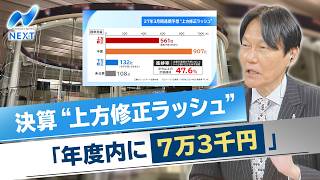
TOKYO - Tokyo stocks extended their recovery on Thursday, October 29, with the Nikkei 225 closing at 64,659.47 points at 3:30 p.m., up 705.28 points, or 1.10%, from the previous session, as renewed buying of semiconductor and artificial intelligence-related shares helped the benchmark record its third consecutive daily gain ahead of the Bank of Japan's monetary policy decision.
The broader TOPIX index rose 11.57 points, or 0.29%, to 4,003.28, reflecting a more modest advance across the wider market. Trading was volatile, with the Nikkei opening at 64,126.25, slipping to an intraday low of 63,749.20 around midday before recovering sharply to reach 64,831.29 in afternoon trading.
The three-day rally lifted the Nikkei by nearly 2,470 points from its October 26 close of 62,189.65, although the benchmark remained below the levels recorded earlier in October. The recovery followed a period of heavy selling that had pushed the index down from above 70,000 points at the beginning of the month.
Investor sentiment received support from Wall Street after the US Federal Reserve left its benchmark interest rate unchanged at 3.75% to 4.00%. US stocks ended October 28 higher, with the Dow Jones Industrial Average gaining 97.53 points to 52,475.10, while the S&P 500 and Nasdaq Composite also advanced.
Japanese technology shares attracted renewed interest as investors evaluated corporate earnings and the outlook for spending on AI infrastructure. Semiconductor testing equipment maker Advantest rose 6.01% to 37,030 yen, making it one of the strongest performers among major Nikkei constituents. Furukawa Electric advanced 4.75% to 3,065 yen, reflecting buying interest in companies linked to electrical infrastructure and technology investment.
However, the rally was far from uniform. Hitachi fell 9.77% to 5,071 yen, while construction machinery manufacturer Komatsu dropped 7.56% to 6,300 yen and NEC declined 6.39% to 4,954 yen. The contrasting performances highlighted investors' increasingly selective approach to Japanese equities during the corporate earnings season.
Of the Nikkei's 225 constituent stocks, 132 advanced, 92 declined and one finished unchanged. The relatively narrow margin between gainers and losers suggested that much of the benchmark's strength came from a smaller group of heavily weighted shares rather than a broad improvement in market sentiment.
Trading activity was unusually heavy, with turnover on the Tokyo Stock Exchange's Prime Market reaching approximately 13.87 trillion yen. Market participants attributed part of the increase to portfolio adjustments associated with changes in TOPIX weightings, alongside regular institutional trading and earnings-related transactions.
The yen remained relatively stable against the dollar as investors awaited the Bank of Japan's latest policy announcement. At 5 p.m. on October 29, the Japanese currency stood at 157.82 to 157.83 per dollar, four sen weaker than the previous day. Against the euro, the yen traded at approximately 175.87 to 175.91, down 38 sen.
The dollar briefly strengthened beyond 158 yen during morning trading before retreating as movements in US Treasury yields influenced currency markets. The relatively limited fluctuations suggested that investors were reluctant to establish large new positions before the Bank of Japan's October 30 decision.
The central bank began its two-day monetary policy meeting on October 29, with investors widely expecting it to leave interest rates unchanged. Attention was shifting toward the bank's latest assessment of inflation, economic growth and the timing of any additional monetary tightening.
The Bank of Japan was scheduled to publish its policy decision and quarterly economic outlook on October 30, followed by a news conference at 3:30 p.m. Markets were particularly focused on whether policymakers would signal further interest rate increases before the end of the year, with the yen's weakness and persistent price pressures remaining important considerations.
Corporate earnings provided another major focus for investors, with approximately 130 listed companies scheduled to report results on October 29.
Semiconductor manufacturer Renesas Electronics reported revenue of approximately 1.235 trillion yen for the first nine months of 2026, an increase of 27.3% from the previous year. The company posted a net profit of approximately 589.5 billion yen, reversing a loss of 69.1 billion yen during the corresponding period of 2025. Its operating profit also rose sharply, although the scale of the increase in reported earnings reflected accounting factors as well as business performance.
For the July-September quarter, Renesas reported revenue of approximately 435.9 billion yen under International Financial Reporting Standards. Its adjusted operating profit reached 150.5 billion yen, equivalent to an operating margin of 34.6%, underscoring the semiconductor industry's recovery from earlier weakness.
Ibiden, a manufacturer of semiconductor packaging substrates, also delivered stronger earnings. Its recurring profit for the April-September period surged 88.9% from a year earlier to 61 billion yen, prompting the company to raise its full-year profit forecast by 5.9%, from 127 billion yen to 134.5 billion yen. The revised outlook would represent a record annual profit for the company, highlighting continued investment in advanced computing infrastructure and semiconductor components.
Komatsu, one of Japan's largest construction and mining equipment manufacturers, reported first-half revenue of approximately 2.159 trillion yen, up 14.1% from the previous year. Sales benefited from higher equipment volumes, improved selling prices and the weaker yen, which increased the value of overseas earnings when converted into Japanese currency.
Despite a sharp decline in its share price during the session, Komatsu raised its full-year pretax profit forecast from 508 billion yen to 548 billion yen, an increase of 7.9%. The company now expects pretax profit to rise approximately 2% from the previous fiscal year, reversing its earlier forecast for a decline. Operating margins nevertheless remained under pressure from rising costs, illustrating the challenges facing manufacturers despite higher sales.
In the energy sector, Tokyo Electric Power Holdings reported a steep decline in recurring earnings for the six months through September. Recurring profit fell 67.9% from a year earlier to approximately 90.6 billion yen, while revenue increased 3.8% to 3.271 trillion yen.
The utility recorded an operating loss of approximately 33.7 billion yen, compared with an operating profit in the previous year, demonstrating the pressure on profitability despite higher revenue. Net income returned to positive territory at approximately 52.7 billion yen, compared with a substantial loss a year earlier.
The contrasting earnings reports illustrated the uneven performance of Japan's corporate sector. Semiconductor and technology-related manufacturers continued to benefit from investment in advanced computing and overseas demand, while energy companies and other industrial businesses faced pressure from operating costs and profitability concerns.
The latest corporate results also highlighted the complicated role of the yen in Japan's economy. A weaker currency boosts the yen-denominated earnings of exporters and multinational manufacturers, but increases the cost of imported fuel, raw materials and food, placing pressure on domestic businesses and household purchasing power.
For investors, the immediate focus was turning to October 30, when several major economic indicators were scheduled for release alongside the Bank of Japan's policy announcement. These included Tokyo's October consumer price index, September unemployment figures, industrial production and retail sales data.
The figures were expected to provide a fresh assessment of inflationary pressure, consumer spending and manufacturing activity at a time when the Japanese economy was balancing rising corporate investment against higher living costs and uncertainty over global trade.
Although the Nikkei's recovery over three consecutive sessions suggested that buying interest had returned following October's sharp market correction, the significant difference between the Nikkei and TOPIX gains showed that confidence remained concentrated in selected industries.
The Bank of Japan's policy outlook, the direction of the yen and further corporate earnings announcements were expected to determine whether the recovery in Japanese equities could continue into the final trading session of October and the beginning of November.