



Children with freshly shaved heads walked slowly through the corridors of Higashi Honganji in Kyoto as they took part in a Buddhist ordination ceremony marking their formal entry into the priesthood.

Schools, universities, and EdTech companies in the United States are shifting from legacy systems and off-the-shelf tools to custom learning management systems.
Japanese elementary and junior high school students are spending more time on social media and watching videos while devoting less time to studying, according to a nationwide government survey released on August 4.
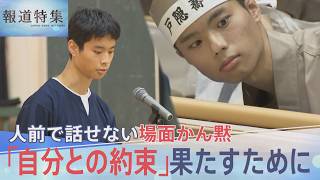
A high school student in Nagano Prefecture who had been unable to speak in unfamiliar places or in front of strangers because of selective mutism found the confidence to use his voice through three years of training with his school's competitive soba-making club.

As the behavioral health landscape continues to evolve, families seeking compassionate, evidence-based therapeutic support for autism and other developmental needs are turning to specialty organizations that provide clinical excellence and authentic care.

The proportion of working men in Japan taking parental leave rose to a record 50.9% in the last fiscal year, exceeding 50% for the first time, according to a Health, Labor and Welfare Ministry survey.

A plan to open an international school at a former elementary school in Sapporo has been scrapped after the company selected as the preferred buyer withdrew, citing risks posed by misinformation and protest activity.
Osaka Prefecture and the city of Izumisano held their first coordination meeting on July 27 over plans to establish Japan's third so-called baby hatch, with discussions focusing on securing facilities and caregivers for children left in its care.