News On Japan

米国株投資の見通し

Mar 15, 2023 (newsonjapan.com) - 米国株は日本株よりもリターンが大きいため、うまく投資すれば大きな利益を得ることができます。

しかし、米国株は全部で6,000銘柄以上も存在するため、適当に選んで投資しても利益を出すことは難しいでしょう。

できれば、それぞれの銘柄を理解した上で投資したいところです。
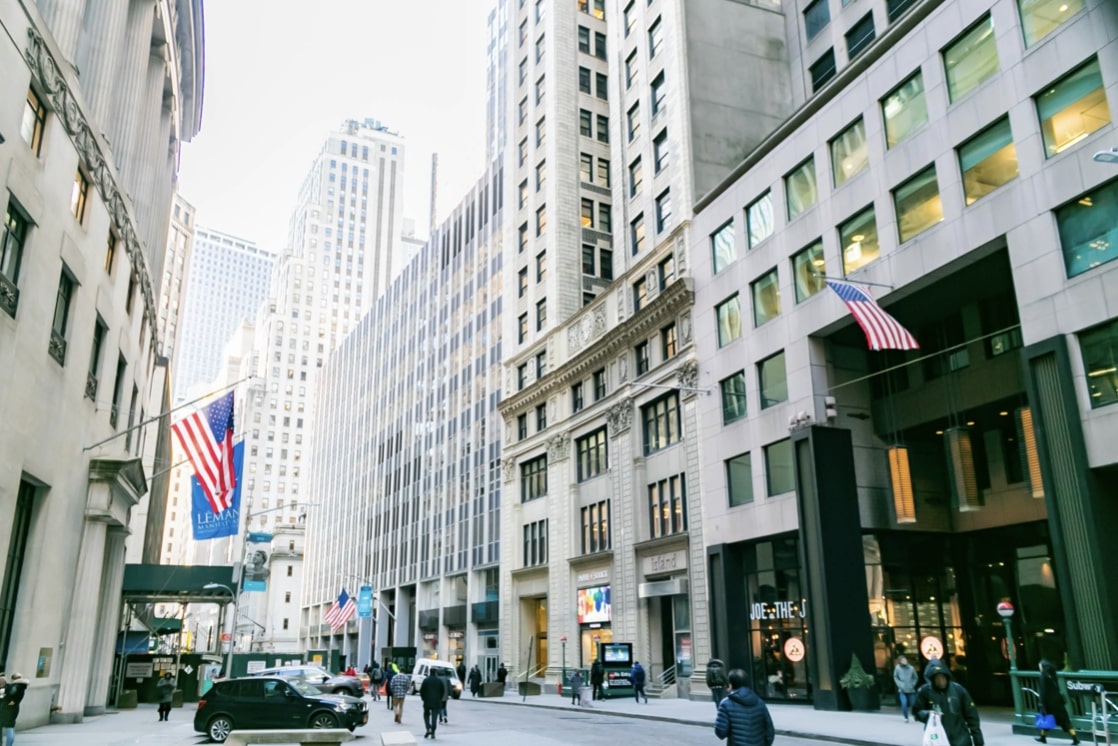
米国株には、コカコーラやスターバックス、マクドナルドなど、世界に通用するブランド力があります。

スマホを開発したアップルや、電子書籍を普及させたアマゾンなど、新しいサービスを提供できるアイデアや技術力もあります。また短期間に成功まで至ったメタなど、ベンチャー企業が成長できるような土壌があります。

グーグルやマイクロソフトなどは成長に必要なインフラ系の技術もあります。

このようにアメリカでは企業がグローバル社会で生き抜く上で、負けない大きな競争力を持っていて、その結果、NYダウ平均が史上最高値を更新するなど成長を続けてきました。

米国株なら日本人から見ても馴染みの企業名がそろっていて、その企業が提供している商品やサービスが現在どの程度普及しているかどうかは、ある程度の予測もできると思います。

また、米国株を取り扱っている証券会社が多く、各証券会社から銘柄分析に必要な投資情報なども詳しく公開されています。情報が豊富な点は外国株式投資で米国株に投資する大きなポイントとなります。

米国株は長期的に検討できるトレンドがあるため、銘柄分析が苦手な株初心者にもお勧めの外国株です。

アメリカの企業は配当金が高いことでも有名なので、株を中長期で保有して配当金目当ての投資をする人もいます。
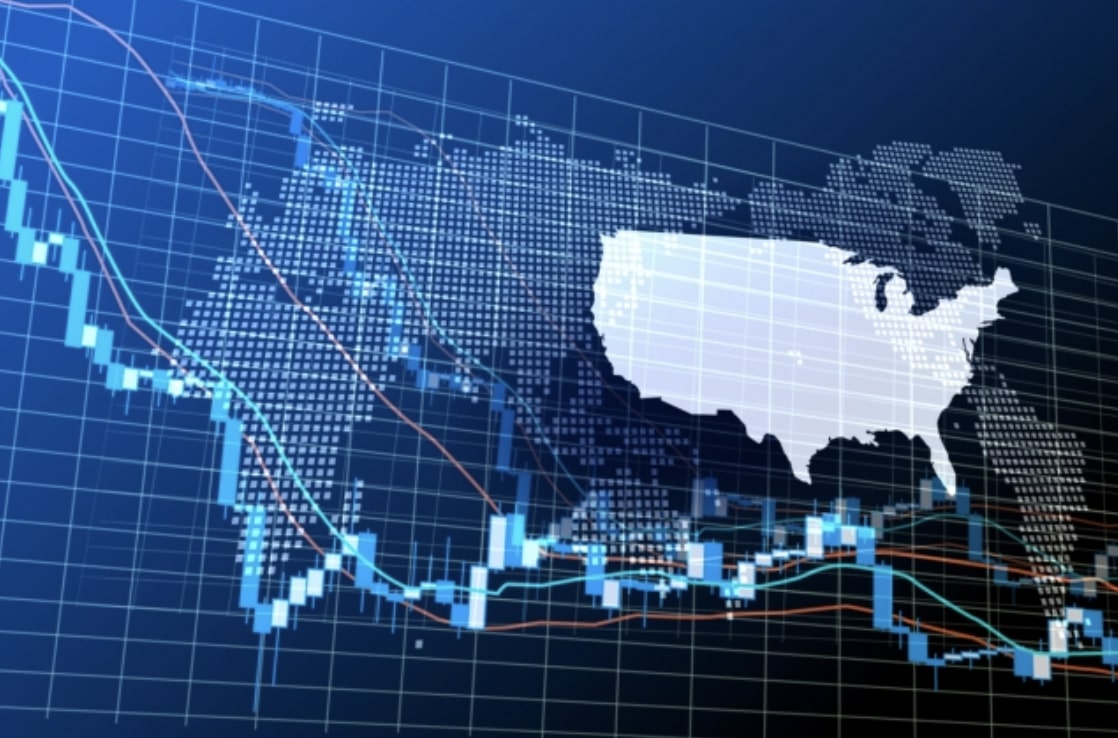
しかしながら、2022年は米国株にとって厳しい年になりました。

大きな下落を見せたりもしている背景にはインフレや利上げの影響を指摘する声が多いです。では、2023年はどのような動きになるでしょう。

今回は、米国株の見通しに焦点を当てて、今下落している原因や今後の米国株の動きについて見ていきましょう。

米国株が暴落している理由についてインフレ、インフレの長期化、金融引き締めという3つの観点からチェックしていこうと思います。

まず、米国株が暴落している理由として意図的なインフレの加速が挙げられます。

米国株は新型コロナウイルスの影響による経済悪化で、一時的に低調な株価が見られました。このような状況を打破するために、米国では利下げが積極的に行われてきた背景があります。

米国株は、新型コロナウイルスが世界的に流行を見せる中でも株価は堅調な動きを見せていました。また、利下げによるインフレが加速していたものの、新型コロナウイルスの影響を考慮し、経済を止めないためにも一定のインフレは許容していました。

次に、ウクライナ侵攻などインフレの長期化が一因として挙げられます。

新型コロナウイルスの影響で、インフレが加速している状況下で、ウクライナ侵攻が発生しました。新型コロナウイルスによる供給不足や利下げによるインフレが発生している中でのウクライナ侵攻で更に供給に制限がかけられてしまったのです。

このことで、より一層インフレが加速しました。

この現象は、米国だけに見られるものではありません。ウクライナ侵攻による供給の制限は、世界的なインフレ傾向をもたらしています。

ただし、前述した利下げなどの影響もあり、過去最高レベルのインフレが続いており、これによるインフレが進みすぎるリスクが懸念されるようになりました。
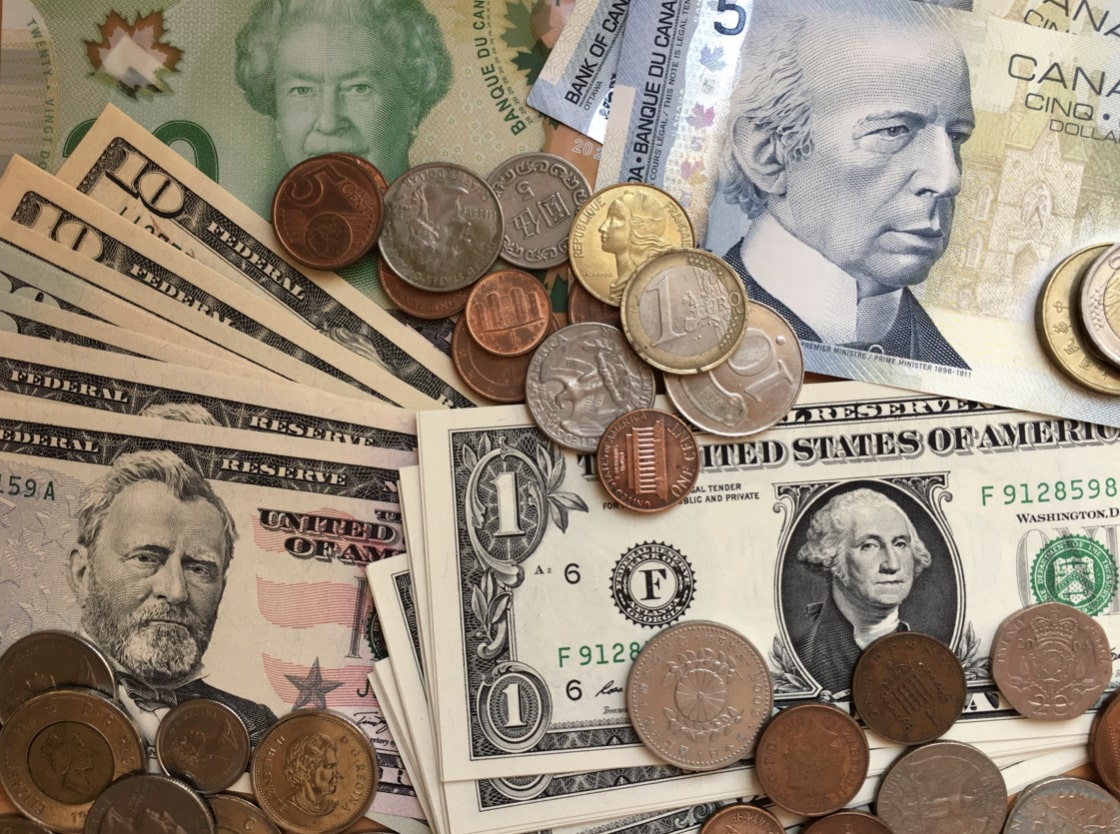
前述したインフレ懸念などに対応するために、米国のFRBは段階的利上げを実施しています。米国株全体を俯瞰できる代表的な指数であるS&P500は、2017年〜2021年まで基本的には上昇傾向が続いていました。

新型コロナウイルス流行時など一時的な下落は見られましたが、基本的に上昇傾向を見せていると言えます。むしろ、新型コロナウイルスが流行している2020年〜2021年間でも、大きな上昇を見せていたことは驚きです。

つまり、米国株はこれまでも安定的に上昇を見せており、幾度の経済危機や価格下落を乗り越えて、株価上昇を見せているのです。ただし、前述の通り短期〜中期的には一時的な下落が見られるため、注視は必要であると言えるでしょう。

News On Japan
POPULAR NEWS

Two typhoons moving across the Pacific southeast of Japan are expected to remain well away from the Japanese mainland, but powerful swells could bring rough seas to a wide stretch of the country's Pacific coastline throughout the three-day holiday weekend, according to forecasts updated at 3 a.m. on October 10.

A series of cyberattacks has disrupted business operations and exposed millions of customer records across Japan, with a ransomware attack on a cloud service provider affecting 495 companies and local governments nationwide, while convenience store operator Lawson has disclosed a separate breach involving more than 2.15 million personal information records.

Japan's first 360-degree projection mapping show will open at the Osaka City Museum of Fine Arts on October 10, transforming the historic building into an immersive world of light, music, and seasonal imagery, with organizers hoping the attraction will also help stimulate the city's nighttime economy.

Tokyo University of Science professor emeritus Kenzo Soai has been awarded this year's Nobel Prize in Chemistry together with French chemist Henri B. Kagan for discoveries that transformed scientists' understanding of how chemical reactions can favor one of two mirror-image forms of a molecule.

The US military suspended activities by all forces stationed in Okinawa for 48 hours from noon on October 7, an unusual measure following the arrest of a US Marine in connection with a robbery and murder case that has renewed scrutiny of crimes involving American service members.

MEDIA CHANNELS
         

MORE Business NEWS

Tokyo stocks fell sharply on June 26 as investors locked in profits from Japan’s record-setting AI-driven rally, with SoftBank Group and chip-related shares leading a broad retreat after reports that OpenAI may delay its initial public offering.

Japan recorded a current account surplus of 4.062 trillion yen in August, an increase of 12% from a year earlier, driven primarily by a sharp rise in income from overseas investments, even as higher crude oil prices pushed the country's trade balance into deficit.

Household spending in Japan fell 3.1% in August from a year earlier, marking the ninth consecutive month of decline as rising food prices continued to weigh on consumer budgets, according to the latest household expenditure survey released by the Ministry of Internal Affairs and Communications on October 9.

Tokyo stocks ended nearly unchanged on August 12, with the Nikkei 225 at 66,988.82, as gains in energy and financial shares offset weakness in electronics and pharmaceuticals while investors weighed higher crude oil prices, a weaker yen and growing expectations for another Bank of Japan rate increase.

Japan is entering a more difficult phase in its cybersecurity challenge, as a succession of major data breaches and ransomware attacks exposes weaknesses not only in corporate IT systems but also in supplier networks, governance structures and operational resilience.

Japan's four largest beer makers were subjected to simultaneous compulsory searches on October 7 over suspicions they coordinated wholesale prices for beer and other alcoholic beverages, in a rare cartel investigation that could lead to criminal charges.

Tokyo stocks fell on October 7, with the Nikkei 225 closing at 70,036, down 648 points, as investors took profits in semiconductor and artificial intelligence-related shares after the index’s rapid climb above 70,000 earlier in the week.

Japan's prolonged period of rising prices is continuing to squeeze households and businesses, driven by the weak yen, higher raw material costs and rising wages, forcing consumers to change how they shop and cook while companies search for ways to contain costs without losing customers.