News On Japan

Golden Toilet Symbolizes Era of Excess

TOKYO, Feb 24 (News On Japan) - As the Nikkei reaches historic highs, investors are reminiscent of the last time the market reached such dizzy heights in 1989, the end of an era as Heisei began, marked by the emergence of the Recruit scandal, considered the largest corruption scandal in the post-war era, leading to the formation of a new government led by Prime Minister Takeshita.
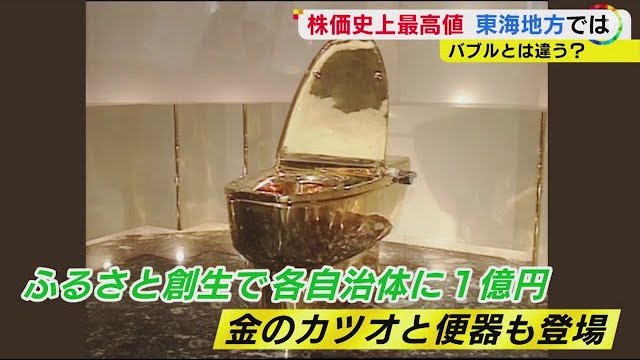
It was the peak of the bubble economy, where everyone, not just in stocks, seemed to be flourishing. One of the iconic symbols of that era was the appearance of gold toilets, a sign of excess wealth.

In the Tokai region, attention was drawn to a company that even built a disco for its employees. Metec, a company that grew through the dispatch of technicians, made headlines with its president at the time, who surprised society with innovative ideas. However, looking back, one might wonder if they went too far. During the bubble era, doing something modest wouldn't excite young people, so every day was filled with extravagant ideas.

A luxurious Bugatti, displayed inside a car showroom designed by a famous designer, cost a staggering ¥2.4 billion, and a Ferrari could be bought by teenagers and lent to others for a ride. They didn't think much about spending ¥10,000, treating it more like ¥1,000.

Platinum Plating Industry, which manufactures automobile bumpers and door handles, employs about 220 people and supplies parts to Toyota Group, among others. The company experienced a significant drop in production and sales due to the impact of the corona crisis, but it has since recovered. Sales of automobile parts are strong, but there are concerns, such as Toyota and Daihatsu's suspension of shipments. Foreign investors find Japanese stocks more attractive, but the rapid rise is not felt by everyone.

The gap in wealth is likely widening, with only the wealthy and individual investors benefiting, while ordinary salaried workers who only invest in savings accounts are likely to see few benefits from the rising stock prices, possibly widening the wealth gap.

Source: NEWS ONE

News On Japan
POPULAR NEWS

An Idemitsu Kosan crude oil tanker has safely passed through the Strait of Hormuz, becoming the first vessel bound for Japan to do so since attacks on Iran heightened tensions in the region and effectively disrupted maritime traffic.

Japan’s Golden Week holiday period got fully underway on April 29, drawing large crowds to major tourist destinations and airports, where long lines formed as overseas travel surged.

A series of sightings involving unusually large brown bears in Hokkaido has heightened concerns among local residents, with one 330-kilogram animal captured in Tomamae and another 280-kilogram bear attacking a hunter in Shimamaki.

Full-scale Golden Week travel began on April 29, with Chubu Centrair International Airport experiencing its busiest outbound travel day of the holiday period. The airport was crowded from the morning with vacationers heading overseas.

Electricity and gas bills for usage in May will rise slightly in Japan, with the impact of tensions involving Iran expected to appear in utility charges from June onward. Larger increases could follow in subsequent months.

MEDIA CHANNELS
         

MORE Business NEWS

Electricity and gas bills for usage in May will rise slightly in Japan, with the impact of tensions involving Iran expected to appear in utility charges from June onward. Larger increases could follow in subsequent months.

The Bank of Japan decided to leave interest rates unchanged, opting against an additional rate hike for now, after its monetary policy meeting concluded earlier with a majority vote to maintain the policy rate at 0.75%, marking the third consecutive meeting at which rates were left unchanged.

Shizuoka City said it will shorten operating hours at three municipally run hot spring facilities from May 7 for the time being, after instability in heavy oil supplies linked to the situation in Iran.

Prolonged tensions in the Middle East are beginning to affect everyday vegetables in Japan, with tomato farmers facing higher costs and shortages of packaging materials.

The impact of the effective closure of the Strait of Hormuz is spreading to Japan's export industries, dealing a fresh blow to automakers and other companies reliant on Middle East trade routes.

The Nikkei Stock Average rose by more than 1,100 points at one stage in trading on the Tokyo Stock Exchange on Monday. Following gains in semiconductor-related shares on the New York market on June 24, buy orders flowed into AI and chip-related stocks in Tokyo, lifting the Nikkei back above the 60,000 level.

Japan has reduced refinery operating rates as it scrambles to secure alternative crude supplies following disruptions to shipments through the Strait of Hormuz, underscoring the growing strain on one of Asia’s most import-dependent energy markets.

American crude oil secured as an alternative supply source has arrived in Japan for the first time, as the de facto closure of the Strait of Hormuz makes procurement from the Middle East increasingly difficult.