News On Japan

AI Technology to Produce Branded Wagyu

SAPPORO - A project using artificial intelligence to produce branded wagyu beef is set to begin at Hokkaido University, aiming for a more sustainable and labor-efficient livestock industry.

The initiative is based in the town of Shiraoi, located in the Iburi region of Hokkaido, an area known for producing wagyu under the brand name "Shiraoi Beef." While the brand is nationally recognized, its production requires large amounts of feed, energy, and labor.

To address challenges such as a shortage of workers and soaring feed costs, the university will begin a new project that leverages AI technology to improve wagyu production.

The key concept is "smart grazing."

According to Professor Takafumi Goto of the Field Science Center for Northern Biosphere at Hokkaido University, "Remote automatic management of grazing via smartphone can reduce the workload for farmers. Grazing also makes it possible to produce grass-fed beef, which could lead to the development of a new brand."

Cattle will be fitted with GPS sensors and raised in natural pasture environments, allowing farmers to reduce reliance on imported feed.

AI will analyze data from the sensors to monitor the amount of grass the cattle consume and changes in their physical condition. The information will then be sent to the producers’ smartphones, enabling them to manage the herd with fewer staff and more free time.

The university plans to launch this trial in spring 2025 at a ranch in Shiraoi, with the goal of building a sustainable agricultural system.

Source: HBCニュース 北海道放送

News On Japan
POPULAR NEWS

Two typhoons moving across the Pacific southeast of Japan are expected to remain well away from the Japanese mainland, but powerful swells could bring rough seas to a wide stretch of the country's Pacific coastline throughout the three-day holiday weekend, according to forecasts updated at 3 a.m. on October 10.

A series of cyberattacks has disrupted business operations and exposed millions of customer records across Japan, with a ransomware attack on a cloud service provider affecting 495 companies and local governments nationwide, while convenience store operator Lawson has disclosed a separate breach involving more than 2.15 million personal information records.

Japan's first 360-degree projection mapping show will open at the Osaka City Museum of Fine Arts on October 10, transforming the historic building into an immersive world of light, music, and seasonal imagery, with organizers hoping the attraction will also help stimulate the city's nighttime economy.

Tokyo University of Science professor emeritus Kenzo Soai has been awarded this year's Nobel Prize in Chemistry together with French chemist Henri B. Kagan for discoveries that transformed scientists' understanding of how chemical reactions can favor one of two mirror-image forms of a molecule.

The US military suspended activities by all forces stationed in Okinawa for 48 hours from noon on October 7, an unusual measure following the arrest of a US Marine in connection with a robbery and murder case that has renewed scrutiny of crimes involving American service members.

MEDIA CHANNELS
         

MORE Web3 NEWS

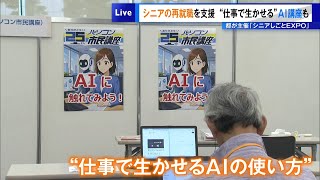
Tokyo hosted an employment support event for older workers on October 6, offering job consultations, interviews, hands-on work experience and training in artificial intelligence as the number of people aged 65 and over in the workforce continues to rise.

The ransomware group Qilin, accused of carrying out repeated cyberattacks against companies including Asahi Group Holdings, has warned that attacks targeting Japanese companies and government agencies could increase after a suspected core member was detained in Osaka and extradited to Germany.

Kawasaki Heavy Industries has unveiled a prototype next-generation shipbuilding robot that can climb vertically along ship hulls, part of an effort to use physical AI to address labor shortages and preserve skilled manufacturing techniques.

Panasonic Holdings is pushing ahead with one of the most sweeping restructurings in its 108-year history, cutting about 12,000 jobs, selling major businesses and reorganizing operations as the Japanese electronics group seeks to build new sources of growth around artificial intelligence, data centers and recurring service revenue.

A Tokyo court has recognized the commercial rights of performers over their voices for the first time, ruling that unauthorized use of AI-generated voices resembling those of celebrities can constitute an infringement of publicity rights in a landmark lawsuit brought by popular voice actor Kenjiro Tsuda against the operator of TikTok.

The Asia-Pacific gaming market has been having a pretty serious moment.

Tokyo Metro has launched a trial using artificial intelligence and floor projections to guide passengers toward less crowded train cars, introducing a new approach to easing congestion on subway platforms.

When a friend leans across a loud izakaya table to tell you something, where do your eyes go?