Sep 17, 2025 (News On Japan) - The internet has always been a place where people love to express themselves. In the early days, this happened through text posts, simple blogs, or even small profile pictures. Over time, things moved forward with photos, videos, and digital art. Today, artificial intelligence (AI) has opened a whole new way of showing creativity.
One of the most exciting changes is how AI makes it easy for anyone—not just professional artists—to create stunning images, designs, and characters. With tools like an AI image generator, even beginners can design unique pictures and creative content in just a few clicks. This shift is making self-expression faster, more fun, and more personal than ever before.
The Journey of Online Self-Expression
From Text to Visuals
In the past, the internet was mostly text-based. People used forums and blogs to share their thoughts. Slowly, the trend moved to visuals—profile pictures, memes, GIFs, and short videos. Visual content became the main language of online expression.
The Rise of Creative Tools
Over the years, creative apps and editing software have given people more control over how they present themselves. However, these tools often require time, effort, and skill. Not everyone could edit like a pro. That’s why AI tools became such a game changer—they made creativity easy for everyone.
How AI is Redefining Creativity
Easy Access for Everyone
With AI-powered tools, creating art is no longer limited to skilled designers. Anyone can generate images, designs, or styles with just a few prompts. This makes creativity more inclusive and gives everyone the chance to share their imagination.
The Debate Around AI Art
Of course, AI art also brings discussions. Some ask if it reduces originality or if it takes away from human artists. Others believe it’s simply a tool—like a camera or computer—that helps people be more creative. Whatever the opinion, one thing is clear: AI has already changed the way people express themselves online.
Moving from Static Images to Digital Identities
Why Avatars Matter
Today, people want more than just profile photos. They want avatars—personalized digital versions of themselves that can be fun, professional, or artistic. An AI avatar lets users create a digital identity that reflects who they are or who they want to be online.
Where Avatars Are Used
- Social media: for unique and eye-catching profile pictures.
- Gaming: as characters that represent the player.
- Professional spaces: where a clean, polished avatar can replace a photo.
Avatars give people a chance to control how others see them while keeping things creative.
How to Create Your Own AI Avatar with CapCut
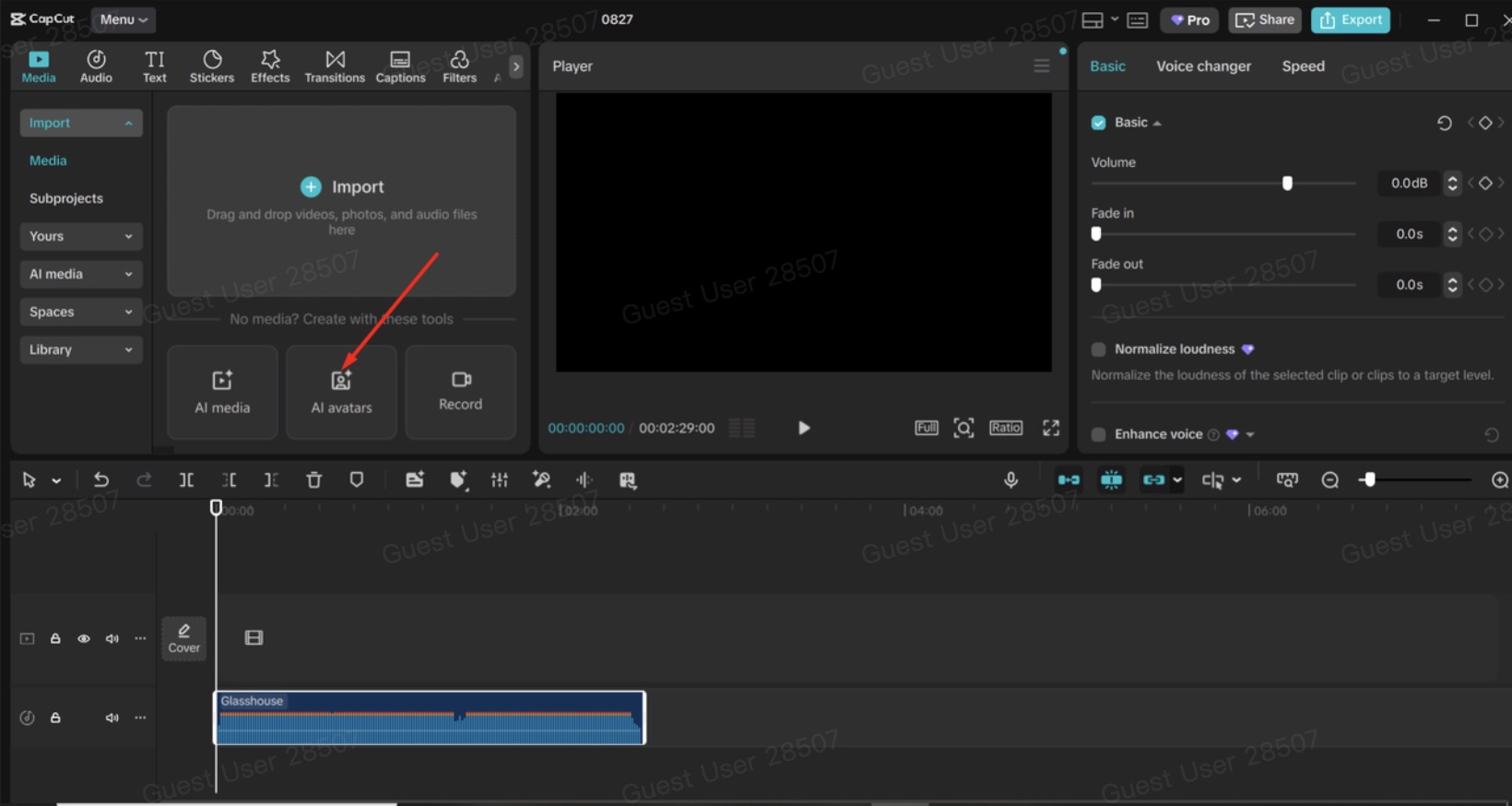
CapCut offers one of the easiest ways to generate avatars using AI. The desktop version is simple and fast. Here are the three basic steps to follow:
Step 1: Upload Your Photo
Open CapCut’s desktop app and go to the AI avatar generator. Upload a clear picture of yourself for best results.
Step 2: Choose a Style
Select the avatar style, background, and voiceover. This lets you control how your digital self will look. However, you can also choose styles from the pre-designed avatar library.
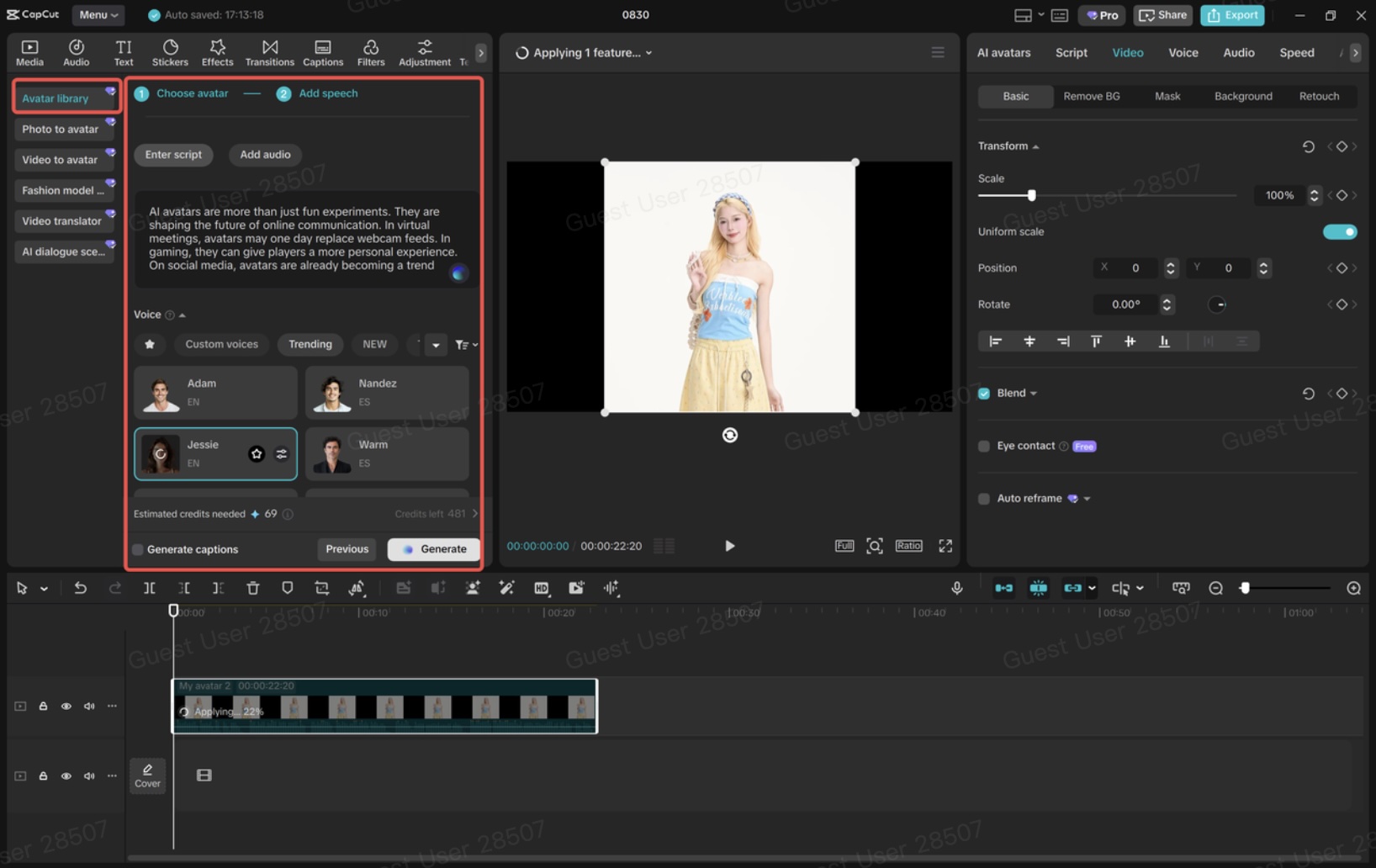
Step 3: Generate & Download
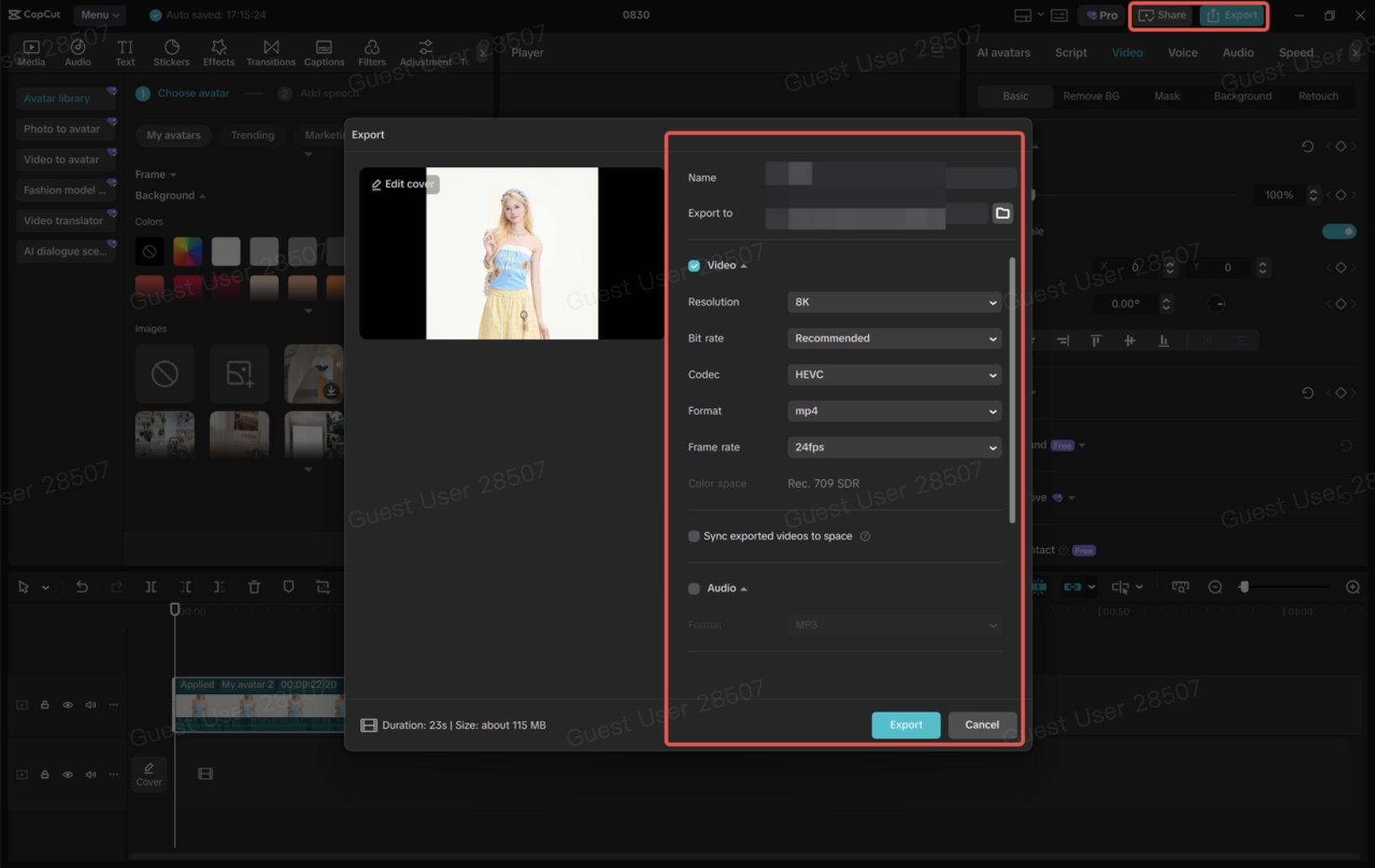
Click on “Generate,” wait a few seconds, and download your brand-new avatar. You can now use it across social media, games, or work platforms.
Benefits and Challenges of AI in Self-Expression
Benefits
- Personalization: You can design avatars and art that fit your exact taste.
- Accessibility: No need to be an expert—AI makes creation easy.
- Creativity Boost: Even if you have no design skills, you can still make unique art.
Challenges
- Authenticity: Sometimes AI creations may feel less personal than handmade art.
- Overuse: With too many AI designs, online spaces may start looking similar.
- Ethics: Concerns about originality and crediting artists remain.
The Future of AI and Online Expression
Hyper-Realistic Avatars
In the future, avatars will become even more realistic and interactive. Instead of static images, we may have living, moving versions of ourselves online.
Virtual Reality and Beyond
As virtual reality grows, avatars will play a central role. Imagine attending meetings, parties, or events with an AI-generated version of yourself.
Balancing AI and Human Creativity
The key will be balance. AI should not replace human imagination but support it. When humans and AI work together, online expression becomes richer, more diverse, and more personal.
Conclusion
From early text posts to powerful visual avatars, self-expression online has come a long way. AI tools such as the AI image generator and AI avatar creators have opened the door for anyone to design, share, and reinvent their digital identity.
While there are questions about originality and ethics, the truth is clear: AI is not here to replace creativity but to amplify it. By making art and avatars easier to create, AI is giving everyone the chance to shine in their own unique way.
The future of online self-expression will not only be creative but also deeply personal—powered by AI, but guided by human imagination.