TOKYO - AI-generated images are becoming increasingly common across Japan, appearing on restaurant signs, food menus and even election posters, raising questions about authenticity, consumer trust and how far the technology should be allowed to replace traditional photography and design.
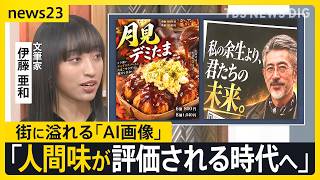
The issue attracted attention following a municipal assembly by-election held last weekend, when several candidates displayed unusually stylized campaign posters that appeared to have been created using artificial intelligence.
Photographs of the posters circulated on social media, drawing criticism from voters who questioned whether candidates seeking public office should use computer-generated representations of themselves.
"People don't necessarily vote based on someone's face, but can you really trust them?" one social media user wrote. Another criticized the practice as disrespectful to voters, arguing that candidates seeking public office should take their responsibility to the electorate more seriously.
Election posters have traditionally served as an important opportunity for voters to recognize candidates and become familiar with their appearance. However, there are currently no rules in Japan requiring campaign posters to display an actual photograph of the candidate, making it difficult to restrict the use of AI-generated portraits.
One voter who saw the posters said the images immediately felt unnatural. "I thought, what is this? It felt very strange," the voter said. "Voting is about placing your trust in someone, so I don't think I could trust a candidate who does this."
Beyond politics, AI-generated images are rapidly spreading through Japan's restaurant industry, where operators are using the technology to create more attractive menus and promotional materials at a fraction of the time and cost previously required.
At an izakaya specializing in takoyaki, or octopus balls, staff previously photographed dishes, removed backgrounds and manually arranged the images to produce menus. The restaurant has since adopted AI tools that can turn ordinary food photographs into elaborate advertisements with dramatic lettering and enhanced visual effects.
The technology can also recreate elements that are difficult to capture in conventional photography, including rising steam, the glossy appearance of freshly prepared food and lighting effects designed to make dishes look more appetizing.
Restaurant operators say the results are faster and more visually impressive than traditional methods, but the technology also raises concerns about whether customers may be misled by images that differ from the food actually served.
The takoyaki restaurant says it takes steps to ensure that its AI-enhanced menu images accurately represent its dishes.
Staff are instructed to prepare and present each item according to the images, including the number of pieces served, the arrangement of sauces and the placement of garnishes such as lemon slices.
The operator said the restaurant deliberately avoids creating promotional images that would lead customers to complain that the actual food looks completely different from what they ordered.
Other establishments are using AI not only to improve food photography but also to explain unfamiliar products to customers.
One restaurant has introduced an AI-created menu explaining how to drink Hoppy, a beer-flavored beverage commonly mixed with shochu. The operator said foreign customers often do not recognize the drink or understand how it is served.
After providing AI with information about the beverage and instructions on how to explain it, the restaurant was able to produce an illustrated guide that the operator described as particularly successful.
For small businesses, one of the biggest attractions is the reduction in time and expense.
Restaurant owners say commissioning professional designers can involve repeated exchanges and take as long as two weeks to complete a menu or promotional display. With AI, comparable materials can be produced in less than five minutes.
"The biggest advantage is that you get results almost immediately," one restaurant operator said, pointing to the convenience of making changes without having to contact an outside designer.
Public reaction remains divided.
Some consumers say they would be reluctant to visit restaurants that rely on AI-generated food images, arguing that conventional photographs are more trustworthy and make dishes appear more appetizing.
Others believe the technology is acceptable as long as the images remain reasonably faithful to the products being sold.
"If the actual food isn't too different from the picture, I think it's fine," one person said.
Another concern is that consumers may not realize the pictures they are viewing were generated or modified using artificial intelligence, prompting calls for businesses to clearly identify such images.
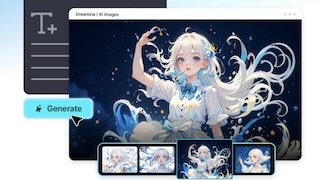
The technology is also spreading beyond restaurants. At a recent regional festival, food stall operators were seen using AI-generated illustrations across their signs, demonstrating how quickly the tools have become accessible to small businesses and individual vendors.
While the colorful designs helped create a lively atmosphere, the growing reliance on AI has also raised questions about the future value of traditional creative work.
People involved in design and other creative professions have expressed frustration that images produced almost instantly by artificial intelligence can receive similar public appreciation to work that previously required extensive attention to detail, technical skill and time.
There are also concerns that widespread acceptance of AI-generated content could gradually diminish recognition of the effort and craftsmanship involved in producing original work.
Under Japan's current legal framework, businesses and individuals are not generally required to disclose when an image has been generated using AI. However, experts suggest that voluntarily labeling AI-created content could help prevent misunderstandings and disputes, particularly where customers or voters might otherwise assume an image is authentic.
As AI-generated materials become increasingly widespread, some observers believe consumers may eventually develop a renewed appreciation for the distinctive qualities of work created by people.
The debate reflects a broader challenge facing Japan as artificial intelligence becomes part of everyday commercial and public life: how to take advantage of its speed, affordability and convenience while preserving transparency, trust and the value of human creativity.
Source: TBS