Anyone who has wandered through the neon‑lit alleys of Akihabara knows that Japan treats gaming not just as a pastime but as an art; arcades ring with the clack of buttons, and console releases are events.
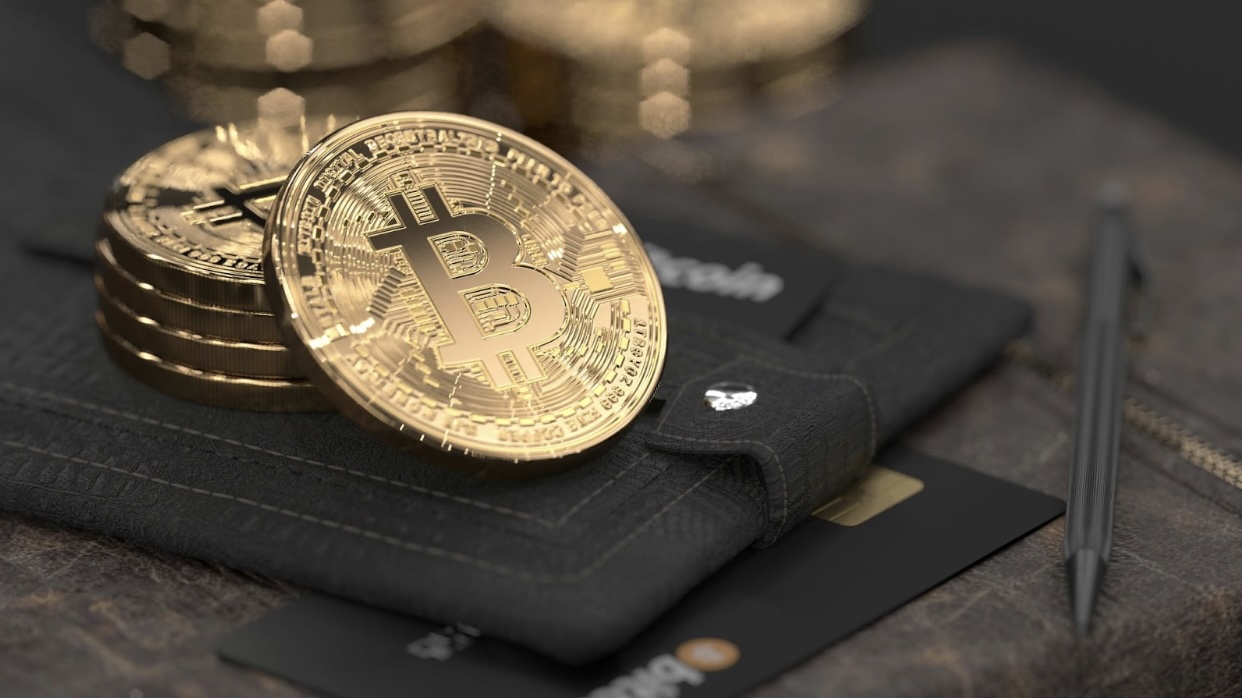
Crypto has slipped into everyday life, and it's now knocking on the doors of game studios.
Game Tokens Meet the Joystick
It’s not a matter of launching a blockbuster on a blockchain; the buzz starts at the cashier, where the choice of currency shapes the experience. Shiba‑focused casinos have already turned a meme token into money. They let fans top up their accounts quickly, place bets, and cash out without banks. It’s a sign that payments are evolving as fast as graphics. Services that handle SHIBA deposits demonstrate this trend and show how cross‑border micro transactions could fuel more social play.
The World Is Playing
More than 560 million people worldwide hold digital currencies, and that’s almost 7% of the planet and a 34% jump from a year earlier. Asia dominates this user base, and Japan counts more than nine million holders. When digital cash becomes the default way to buy in‑game items, Japanese studios aren’t just building for homegrown fans; they’re tapping into a market that already spans every region. When players pay with tokens, the barrier of exchange rates melts away and communities stretch beyond borders.
From Sega to Square
Big publishers are backing the trend: Sony invested $3.5 million in a web3 incubation program with Startale Labs, Bandai Namco’s 021 Fund committed $23.8 million to metaverse and blockchain ventures, and Square Enix purchased a stake in The Sandbox and partnered with Elixir. These bets are small relative to their main franchises, but they signal that crypto is becoming part of mainstream planning.
When well‑known publishers experiment with tokenised items or player‑owned worlds, they pave the way for independent studios to follow and show that Japanese creativity can flourish globally.
Rules and Trust
The Financial Services Agency enforces strict licensing, travel‑rule compliance, and stablecoin oversight, making Japan one of the most regulated crypto markets. Such regulation builds confidence among foreign players because exchanges must meet KYC and consumer‑protection rules and best transaction practices. Lawmakers are considering tax reforms that would treat crypto gains like stock profits.
If that happens, more casual gamers may join the ecosystem. Regulators also insist that all transfers comply with the travel rule, so senders and receivers are identified, and strict stablecoin guidelines mean token issuers must hold real currency reserves. That kind of detail reassures both developers and players, too. This framework might feel stiff at times, but it allows new services to launch without the spectre of hacks and scams that plagued early exchanges, and that trust is essential when your wallet is linked to your favourite game.
Gaming With Ownership
Blockchains give players actual ownership of digital items as NFTs that can be traded or used across titles. The play‑to‑earn model rewards time with tokens, while public ledgers reduce cheating, and some games even let fans vote on future updates.
The cross-over of crypto and gaming is more than just turning every title into a get‑rich scheme. It’s about giving players new ways to participate and carrying Japanese craftsmanship onto a global stage. Missteps will happen, rules will evolve, but the conversation has moved from if to when, and those who grew up mashing buttons in tiny arcades can sense that something familiar is about to go worldwide, right now.