The card worked on the subway, paid for a convenience-store coffee and still has plenty of yen left. Then the Shinkansen gate refuses to open. Another top-up seems the obvious fix, especially with a departure time creeping closer. But the balance may be perfectly healthy.
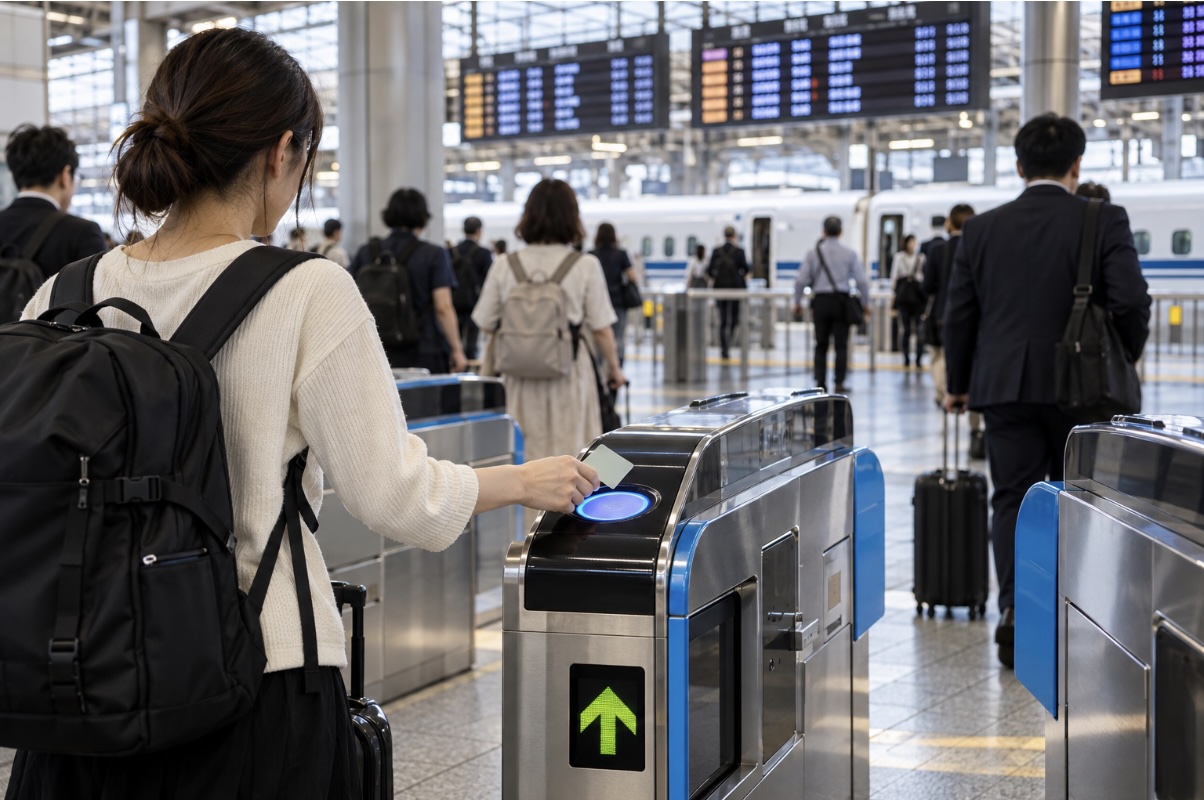
On Japanese railways, having money on a transport card and having the right ticket are separate matters. Suica makes ordinary journeys pleasantly simple, which can leave visitors expecting that familiar tap to handle services with quite different booking arrangements.
A Balance Comes With Boundaries
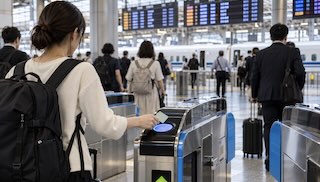
For eligible local journeys, Suica works as a prepaid wallet. The gates record the trip and deduct the appropriate fare. After a few successful rides, the process starts to feel universal.
A limited express service adds another layer. Depending on the route and ticketing arrangement, an ordinary fare must be accompanied by a separate limited express ticket. A seat reservation may also form part of the purchase. Topping up the card cannot create those missing travel permissions.
Casino wallets provide a useful comparison, particularly when exploring offers such as a $200 no deposit bonus real money promotion, where understanding the difference between deposited funds and promotional credit is essential for interpreting bonus terms, wagering requirements, and withdrawal conditions. Bonus funds may remain unavailable until activation or until the cash balance has been used, depending on the offer. Excluded games or a maximum-bet rule can also prevent a particular wager. Wagering requirements generally govern conversion or withdrawal; they do not automatically ban betting with bonus funds.
The railway version is less about the amount displayed than the product purchased. A funded card can cover an eligible ordinary fare while leaving an additional ticket still to be bought.
The Shinkansen Tap Works Differently
Smart EX makes this distinction particularly clear. Its official service guide explains that Shinkansen bookings are paid for using the registered credit card. The fare is not deducted from the transport IC card’s stored balance.
For IC-card boarding, the card must be designated for the reservation. At the gate, it identifies the booked journey. Adding yen to its balance does not attach an unlinked reservation or purchase a missing Shinkansen ticket.
That creates three separate checks:
- A booking exists for the intended journey.
- Payment has been completed through the booking service.
- The correct boarding credential is ready.
The little plastic card can therefore perform two jobs during one morning: pay for a local journey and identify a separately paid Shinkansen booking. The gesture looks identical. The transaction behind it differs.
One Card Does Not Cover the Group
A family booking can introduce another snag. One person handles payment and assumes that the card used at the gate will admit everyone. A transport IC card does not become a group boarding pass simply because several seats were purchased together.
Smart EX allows individual passengers’ IC cards to be designated for their respective seats. That matching step matters. A card stored in an account should not be assumed to be assigned correctly to every reservation.
The awkward discoveries tend to happen at the worst time: one passenger gets through, another cannot, and the person holding the booking confirmation is already beyond the barrier.
A calmer arrangement is to check each traveller’s boarding method beforehand. Card, QR ticket or paper ticket needs to match the passenger and reservation arrangements, rather than merely being somewhere in the organiser’s phone.
QR Tickets and Paper Still Have a Place
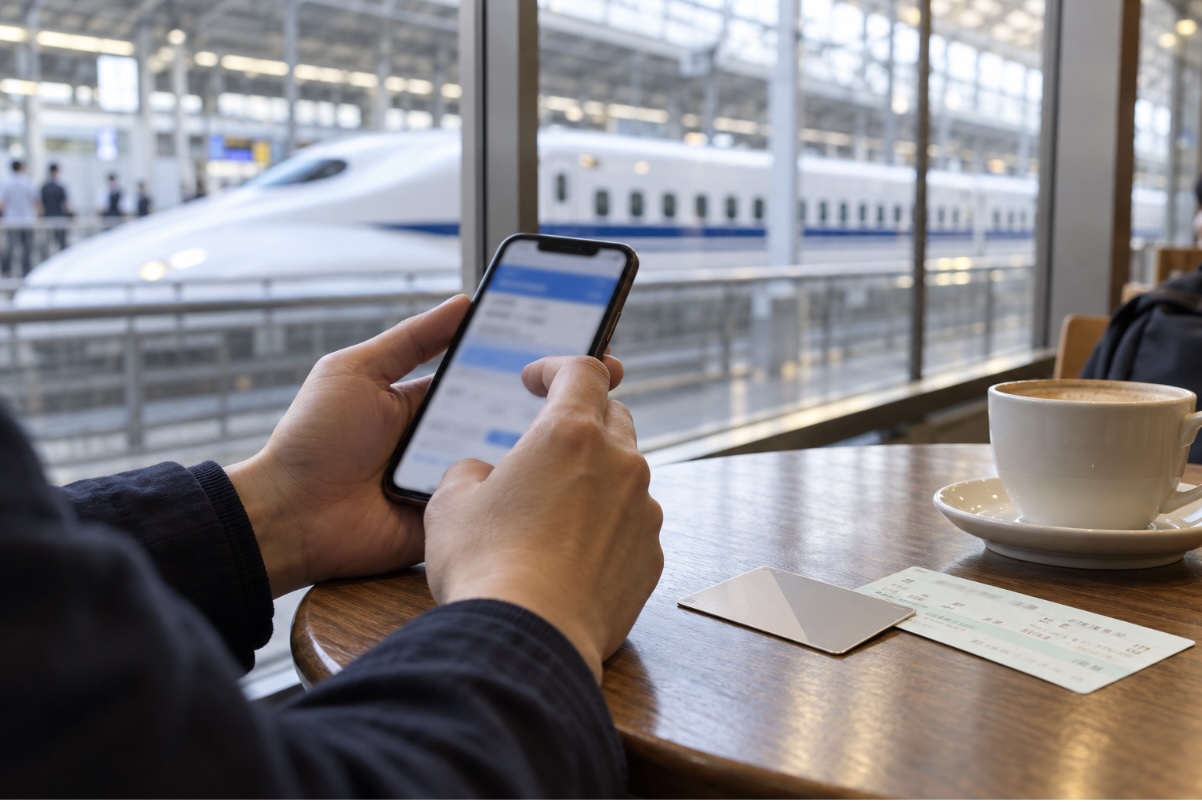
IC-card boarding is one option. Smart EX also supports QR tickets and collected paper tickets. The right choice depends on the booking and what each passenger can reliably present.
The alternatives deserve a little preparation:
- A QR ticket must be the actual boarding credential, rather than an ordinary confirmation email.
- Paper tickets need collecting before boarding, using the service’s collection procedure.
- An IC card needs the appropriate reservation designation.
Mixing methods casually can make a straightforward journey confusing. An email receipt, a payment card and a transport card all relate to the purchase, but they serve different purposes. Having all three in a bag does not establish which one opens the gate.
A Working Card Can Still Meet a Boundary
There is another reason to resist endless top-ups. Suica acceptance across Japan does not mean every possible journey can be made as one continuous tap-in, tap-out trip.
JR East’s Suica information distinguishes participating areas and explains that IC-card travel cannot simply cross separate coverage areas. A card working at both ends does not necessarily establish eligibility for the journey connecting them.
For an unfamiliar route, the useful questions concern the operator, service and ticket conditions. Is this an ordinary local journey? Does it require an additional ticket? Is the trip covered by the relevant IC arrangement?
At a Closed Gate, Check the Journey
A rejected tap is a reason to inspect the booking before feeding another banknote into a machine. The destination, departure, designated card and boarding method usually offer more useful clues than the balance alone.
Station staff can investigate the error and explain the required ticket or procedure. Sorting it out before switching cards or trying another route also helps avoid leaving an unresolved entry record.
Suica removes plenty of small travel hassles. Its convenience works best alongside a clear understanding of what has actually been paid for.