News On Japan

Osaka Public University to Introduce Fall Enrollment, English Official Language

OSAKA - The governor of Osaka Prefecture, Hirofumi Yoshimura, has announced plans to implement an autumn admission system at Osaka Public University to align with the academic calendars of universities abroad. This initiative aims to foster a global perspective and English proficiency among students, contributing to the broader vision of nurturing talent with a broad outlook, which is seen as crucial for Osaka's growth.

Yoshimura emphasized during the announcement on February 9, the significance of making autumn the start of the academic year: "Switching to fall admissions will cultivate individuals with international sensibilities and English skills, which will, in turn, contribute to Osaka's development. It's a challenge worth taking."

The move is designed to attract outstanding international students and encourage Japanese students to study abroad, enhancing the global competency of the local student body.

"Making English the official language of the university is indeed a vision for the future," Yoshimura added, indicating long-term plans to internationalize the academic environment.

Experts, including education journalist Reiji Ishiwatari, have highlighted challenges associated with the transition to fall admissions, such as the gap between high school graduation in March and university enrollment, and the interval before entering the workforce. "There's a need to address the disadvantages, such as the half-year gap that will arise between high school graduation and university admission, and also before starting employment," Ishiwatari noted.

Osaka Public University, established by Osaka Prefecture and Osaka City, aims to introduce fall admissions by the 2027 academic year, marking a significant shift towards globalizing its academic schedule and making English the medium of instruction, a move that reflects an ambitious effort to reposition the institution on the world stage.

Source: ANN

News On Japan
POPULAR NEWS

Japan launched a new national disaster management agency on November 2nd to strengthen its response to major emergencies, just days before a powerful earthquake struck Aichi Prefecture, injuring 24 people and renewing concerns over the possibility of a catastrophic Nankai Trough earthquake.

Northern Japan experienced record-breaking cold on the morning of November 11th, with temperatures plunging to minus 20.2 degrees Celsius in Horokanai, Hokkaido, marking the first time in Japan's recorded history that temperatures have fallen below minus 20 degrees during the first half of November.

East Japan Railway (JR East) announced on November 10th that it will introduce touch-free ticket gates at 40 stations, including every station on Tokyo's Yamanote Line, from spring 2028, allowing passengers using Mobile Suica to pass through without taking their smartphones out of their pockets or bags.

Japan's Children and Families Agency unveiled its first national guidelines on November 10th for parental involvement in children's internet use, dividing those aged 0 to 18 into six developmental stages as the government considers tighter regulations on social media platforms to protect young people from online bullying, exploitation, and other growing risks.

As of 3 a.m. on Wednesday, November 11, Typhoon No. 32 was moving east-northeast over waters east of Chichijima in the Ogasawara Islands, gradually heading away from the Japanese archipelago after passing near the island between late Tuesday night and early Wednesday morning.

MEDIA CHANNELS
         

MORE Education NEWS

Japan now has only one sea otter remaining in captivity following the death of Kira, an 18-year-old female at Toba Aquarium in Mie Prefecture on November 5th, leaving 22-year-old Mei as the country's last surviving aquarium sea otter after a population that once exceeded 100 animals steadily declined.

Japan's Children and Families Agency unveiled its first national guidelines on November 10th for parental involvement in children's internet use, dividing those aged 0 to 18 into six developmental stages as the government considers tighter regulations on social media platforms to protect young people from online bullying, exploitation, and other growing risks.

A 31-year-old Japanese researcher who moved to an indigenous village in eastern Taiwan four years ago to study the Rukai people has become an active member of the community, helping preserve traditional ceremonies and customs while learning the importance of protecting cultural values that remain unchanged across generations.

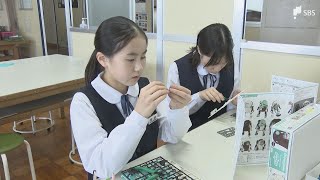
Shizuoka City, which promotes itself as the "World Capital of Models," is using plastic model kits as teaching materials in junior high schools, hoping to cultivate future leaders in the model industry.

A Japanese slang term describing children hooked on the instant stimulation of short videos and social media has been nominated for the country's 2026 New Words and Buzzwords Awards, highlighting growing concerns about declining attention spans and the pressure to consume digital content at ever-increasing speeds.

Delivery rooms in Japan are some of the safest with fewer than two infant deaths per 1,000 births. As a result, many families may assume that complications during delivery are unlikely to happen to them.

Late-night Slack pings, back-to-back video calls, and relentless release cycles have become routine for many working in technology. Employees are often handed access to meditation apps, yoga classes, or lunchtime breathing sessions as a way to “beat burnout.”

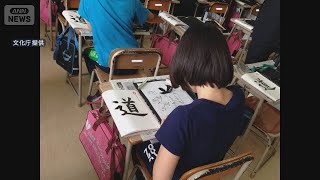
Japanese calligraphy is set to be added to UNESCO's Intangible Cultural Heritage list after an evaluation body recommended its registration on November 5th, paving the way for the traditional art form to become Japan's 24th entry and its first since traditional sake brewing was recognized in 2024.