News On Japan

日本での広告支払いに新たな可能性:GoogleとFacebook用のバーチャルカード

日本での広告支払いに新たな可能性:GoogleとFacebook用のバーチャルカード

Nov 25, 2024 (News On Japan) - 日本の企業はGoogle AdsやFacebook Adsを使ってビジネスを拡大していますが、支払いに関する問題が広告キャンペーンの妨げになることがあります。

地方銀行のカードは国際的なプラットフォームと互換性がない場合が多く、取引がブロックされたり、通貨換算手数料が増加したりすることがあります。さらに、モニタリングシステムの疑念によってカードやアカウントがブロックされることも。

これらの問題はキャンペーンコストを引き上げ、予算計画を複雑にします。そんな中で解決策として注目されているのが、アメリカやヨーロッパの銀行が発行するバーチャルカードです。このカードは日本のシステムの制約を回避し、ドルやユーロで直接支払いを行うことで、通貨換算の必要がなくなります。この記事では、PSTNETが提供するバーチャルカードについて詳しく紹介します。このカードがどのようにして広告プラットフォームの信頼を高め、ブロックリスクを最小限に抑えるのかを説明します。

PSTNET: 広告支払い用カードのレビュー

PSTNETは、VisaとMastercardの広告用バーチャルカードを提供しており、各カードには信頼性の高い25以上のBIN(銀行識別番号)が付与されています。これらのBINはアメリカやヨーロッパの銀行によるもので、Google AdsやFacebook Adsでの「リスクペイメント」を最小限に抑えるのに役立ちます。

ユーザーはGoogle Ads専用カードやFacebook Ads専用カード、あるいは複数のプラットフォームに対応する汎用カードなど、自分に合ったカードを自由に選べます。また、カードの発行枚数に制限はありません。
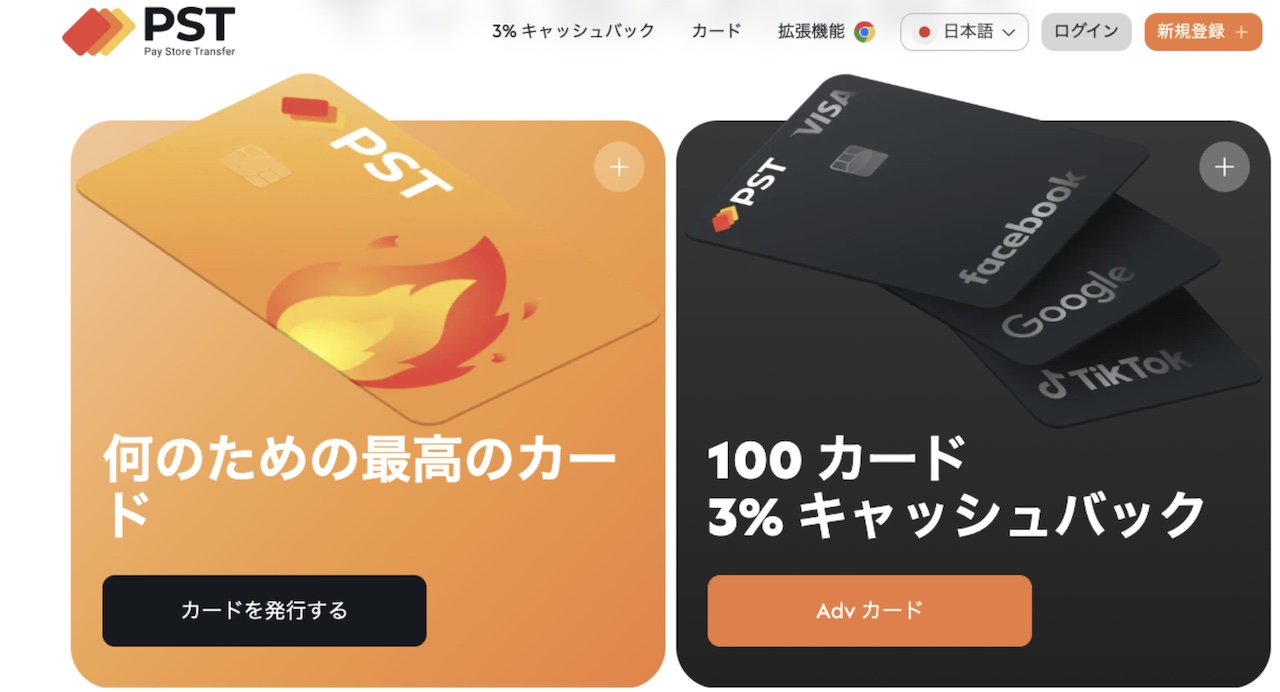
PSTNETのカードは暗号通貨でチャージ可能で、取引手数料、出金手数料、ブロックされたカードの操作手数料は一切かかりません。

さらに、PSTNETには「Pulse」というBINチェッカーがあります。このツールを使えば、カードの種類や発行地域だけでなく、課金限度額、月間平均使用額、承認率と拒否率も確認できます。

PST Private: プレミアムBIN、3%キャッシュバック、その他の特典
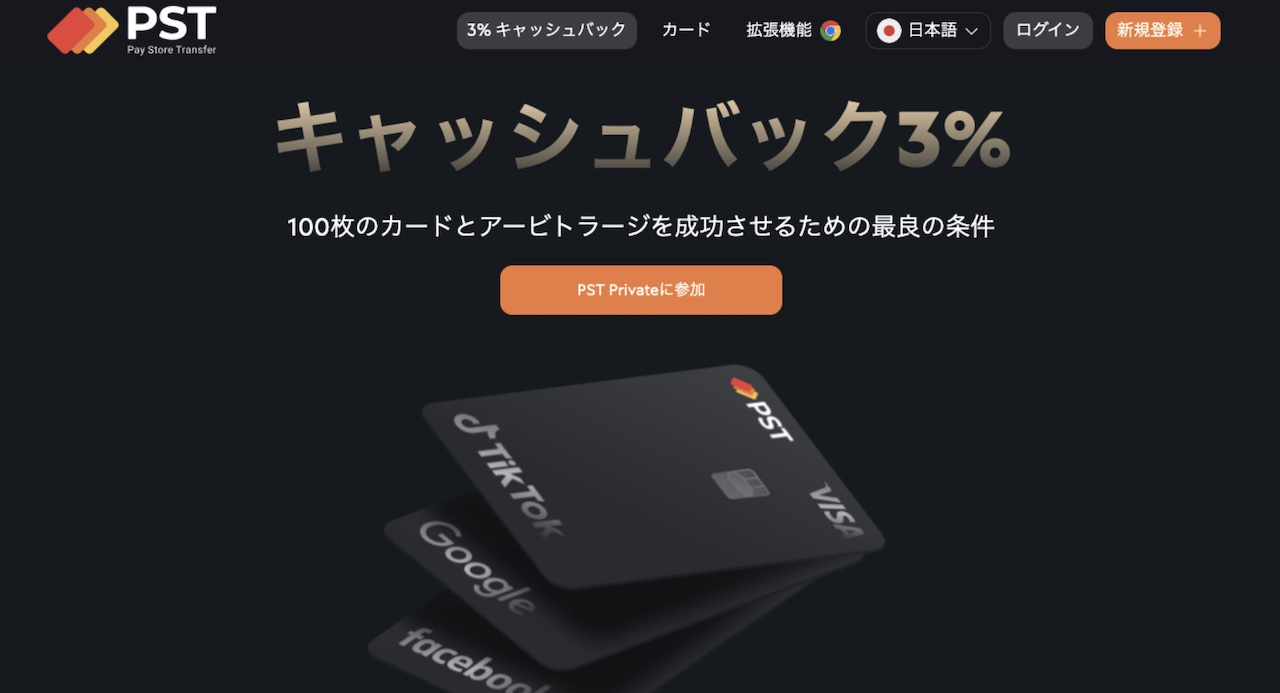
PST Privateはメディアバイヤーやマーケター向けの特別プログラムです。このプログラムでは、3%のキャッシュバックや、毎月最大100枚の無料カード発行などの特典が利用できます。参加するには広告予算の証明は必要なく、公式サイトで適切なプラン(Large、Medium、Small、Extra Small)を選ぶだけでOKです。

PSTNETのバーチャルカードの特徴

  • チャージ方法:18種類の暗号通貨(BTC、USDT TRC 20、ERC 20など)、SWIFT/SEPA銀行送金、他のVisa/Mastercard
  • チームコラボレーションツール:タスクの割り当て、チームメンバーへの役割の設定、カード限度額の管理
  • 3Dセキュア技術:取引の安全性を確保
  • Telegramボット:3Dセキュアコードやサービス更新通知をリアルタイムで受け取る
  • ワンステップ登録:Apple ID、Google、Telegram、WhatsApp、またはメールアドレスで簡単に登録可能
  • 24/7カスタマーサポート:Telegram、WhatsApp、ライブチャットで即時対応

まとめ

PSTNETはメディアバイイングに特化しているため、同社のカードは使いやすく、料金や手数料の面でも最適化されています。

取引手数料:0%

出金手数料:0%

拒否された取引の手数料:0%

凍結・ブロックされたカードの操作手数料:0%

チャージ手数料:3%から

広告費に対するキャッシュバック:3%(PST Privateプログラム内で適用)

Google Adsでの費用を管理するためのバーチャルカードは、日本のメディアバイヤーにとって、Google AdsやFacebook Adsでの費用を簡単に管理し、キャンペーン間で予算を効率的に分配するのに役立ちます。また、カードやアカウントのブロックリスクを回避することも可能です。競争が激しい市場においては、このようなリスクの回避が非常に重要であり、ちょっとしたミスでも大きなコストに繋がることがあります。

News On Japan
POPULAR NEWS

Japan’s World Cup campaign ended in the cruelest possible fashion on June 29, as Gabriel Martinelli scored in the fifth minute of stoppage time to give Brazil a 2-1 victory over the Samurai Blue in their knockout match in Houston. Japan had led in the first half and were still level at 1-1 in the final moments, but Martinelli’s late strike sent Brazil into the Round of 16 and eliminated Japan from the tournament.

Strong earthquakes have continued to shake parts of Japan in recent weeks, with 11 temblors measuring lower 5 or above on the Japanese seismic intensity scale recorded across the country since April 2026.

A Kintetsu Railway train derailed inside Kyoto Station on the morning of June 29, forcing partial suspensions on the Kintetsu Kyoto Line for the rest of the day and causing long delays that hit commuters, students and tourists.

A section of stone wall at Hikone Castle, one of Japan’s few surviving original Edo-period castles and a National Treasure whose main keep remains intact more than 400 years after its construction, collapsed after heavy rain caused by Typhoons No. 7 and No. 8, Hikone city officials said.

Japan advanced to the knockout stage of the World Cup after a 1-1 draw with Sweden on June 25, finishing second in Group F and setting up a Round of 32 clash with Brazil in Houston.

MEDIA CHANNELS
         

MORE Business NEWS

Tokyo stocks edged higher on June 29 as investors bought back selected shares after a sharp AI-led selloff, but gains were capped by caution over high technology valuations, Middle East tensions and a weakening yen that fell to its lowest level against the dollar since 1986.

Tokyo stocks fell sharply on June 26 as investors locked in profits from Japan’s record-setting AI-driven rally, with SoftBank Group and chip-related shares leading a broad retreat after reports that OpenAI may delay its initial public offering.

Japanese households held 2,386 trillion yen in financial assets at the end of March, up 7.1% from a year earlier, as rising share prices, wider use of the new NISA investment program and the weaker yen lifted the value of assets held by individuals.

The sale of religious corporations that operate temples and shrines across Japan is drawing growing scrutiny from authorities, who fear the transactions could be used for tax evasion and money laundering, as brokers openly advertise properties and corporate status for tens or even hundreds of millions of yen.

The Nikkei Stock Average fell for a second straight session in Tokyo as investors locked in profits from a rapid rally in artificial intelligence and semiconductor-related shares, briefly sending the benchmark down more than 1,300 yen before bargain hunting helped it recover part of the loss.

Imabari Shipbuilding, Kawasaki Heavy Industries, and Namura Shipbuilding are aiming to resume construction of liquefied natural gas carriers around 2035, as Japan’s shipbuilding industry looks for a path to recovery after losing much of the global market to lower-cost rivals in South Korea and China.

Finance Minister Katayama held online talks with U.S. Treasury Secretary Scott Bessent as the yen approached its weakest level in about 39 years, with the two sides believed to have discussed possible responses, including foreign exchange intervention.

Every year, thousands of people save money by buying through the Japanese auction process. But many do not realize they've paid too much until the vehicle arrives.